

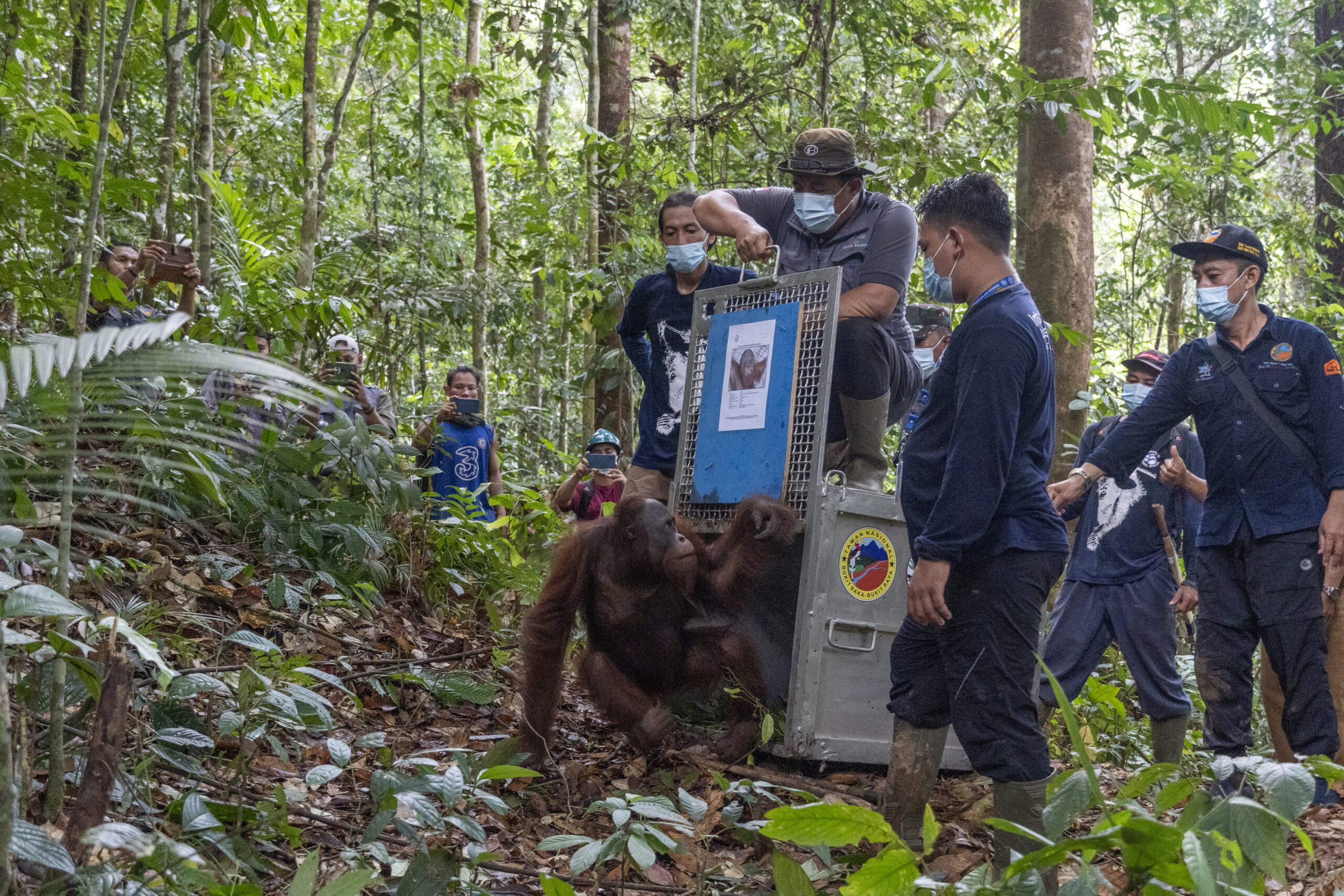
Bukit Baka Bukit Raya National Park
A release site for rehabilitated orangutans.
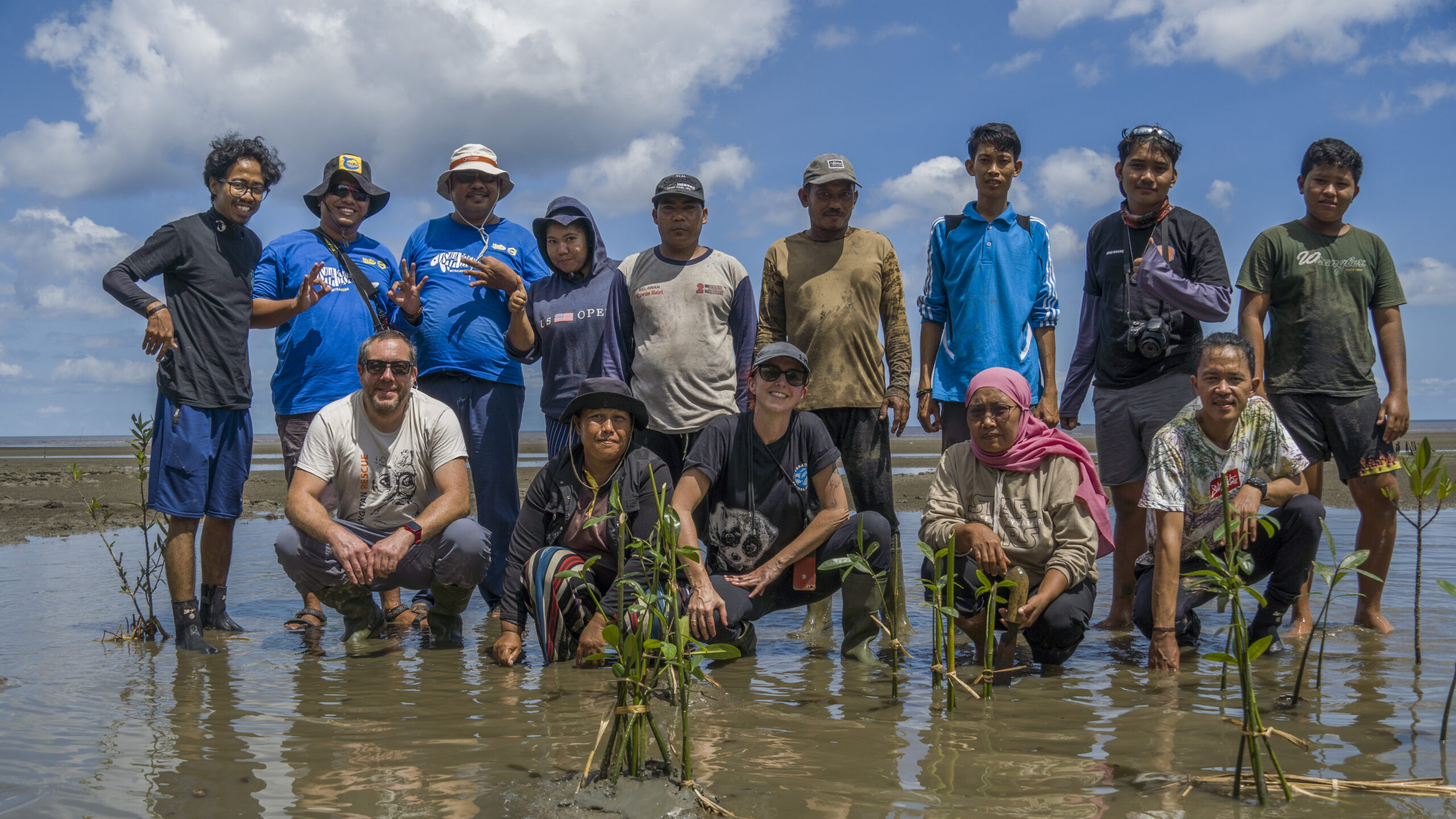
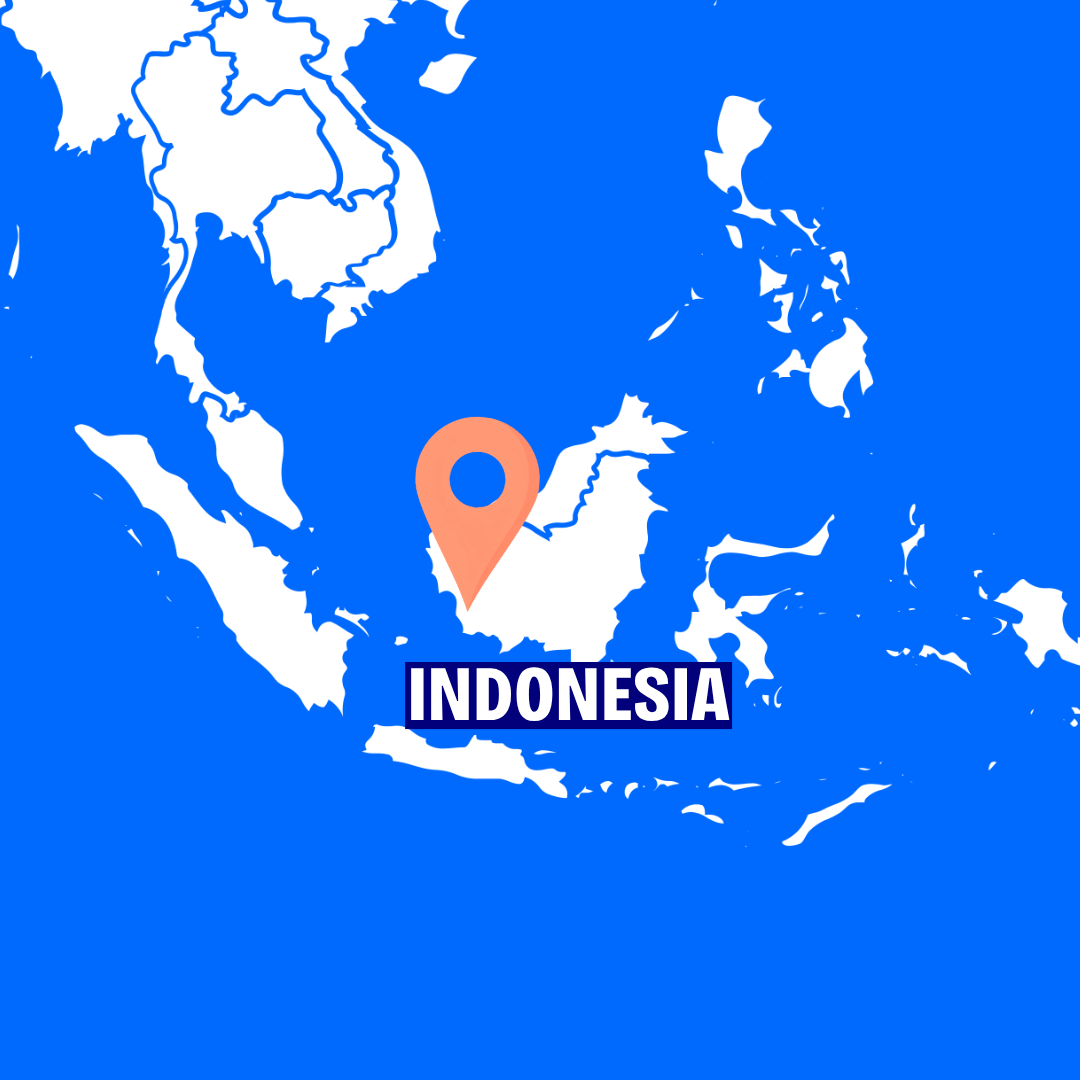
Thousands of mangrove seedlings have been planted in Ketapang, West Kalimantan
1,700km patrolled annually across 5 landscapes in Indonesia.
Mangroves are some of the most biologically diverse and environmentally important ecosystems on Earth. Found only in tropical and subtropical zones, these tidal forests provide critical nursery habitats for countless fish and crustaceans, shelter endangered species, and offer food and income to millions of people.
But their value doesn’t stop there.
Mangroves act as powerful natural defences; shielding coastlines from rising sea levels, tsunamis, storm surges, and erosion. Their dense root systems trap sediment, prevent saltwater from damaging farmland, and help stabilise shorelines. They also play a critical role in mitigating climate change by storing more carbon per hectare than any other type of forest.
Yet today, mangroves are among the most threatened ecosystems in the world. In Indonesia, which holds the largest area of mangroves globally, they are being lost to deforestation, development, land reclamation, and unsustainable farming and fishing.
Restoring What’s Been Lost
In West Kalimantan, where 30% of Indonesia’s mangroves are found, YIARI is leading an ambitious and inspiring project to restore degraded coastal forests and rebuild resilience for both people and the planet.
Using a holistic “One Health” approach, the project recognises the interconnection between healthy ecosystems, animal welfare, and human wellbeing. It begins with the local community, particularly women, who are trained and employed to collect mangrove seeds, grow them into seedlings, and carefully plant them in areas where forests have been lost.
Plastic is eliminated from the process entirely. Instead of using conventional polybags, seedlings are grown in biodegradable pots hand-woven from pandanus leaves. This not only reduces pollution, but also provides an additional source of income for local families and supports gender equality.
The restoration work is complemented by organic farming training and support for sustainable livelihoods that reduce the pressure to extract resources from fragile ecosystems. These integrated efforts ensure the project builds long-term prosperity and self-sufficiency.
Measured Impact, Meaningful Change
The results speak for themselves. In a recent mangrove planting event in Sungai Besar Village to mark World Planting Day, the community restored 1,385 square metres of coastal land with 1,750 mangrove seedlings. A previous pilot saw a remarkable 76% survival rate of planted seedlings, far above the regional average.
Biodiversity is returning, fish populations are recovering, and coastal communities are reporting increased resilience to extreme weather and improved agricultural yields in protected areas.
The project has ambitious goals for the future:
Funding this project directly supports the planting of new mangrove forests, the training of local women, the production of eco-friendly seedling pots, and the education of communities in sustainable farming and conservation. Every contribution strengthens the forest, the coastline, and the lives of the people who depend on it.
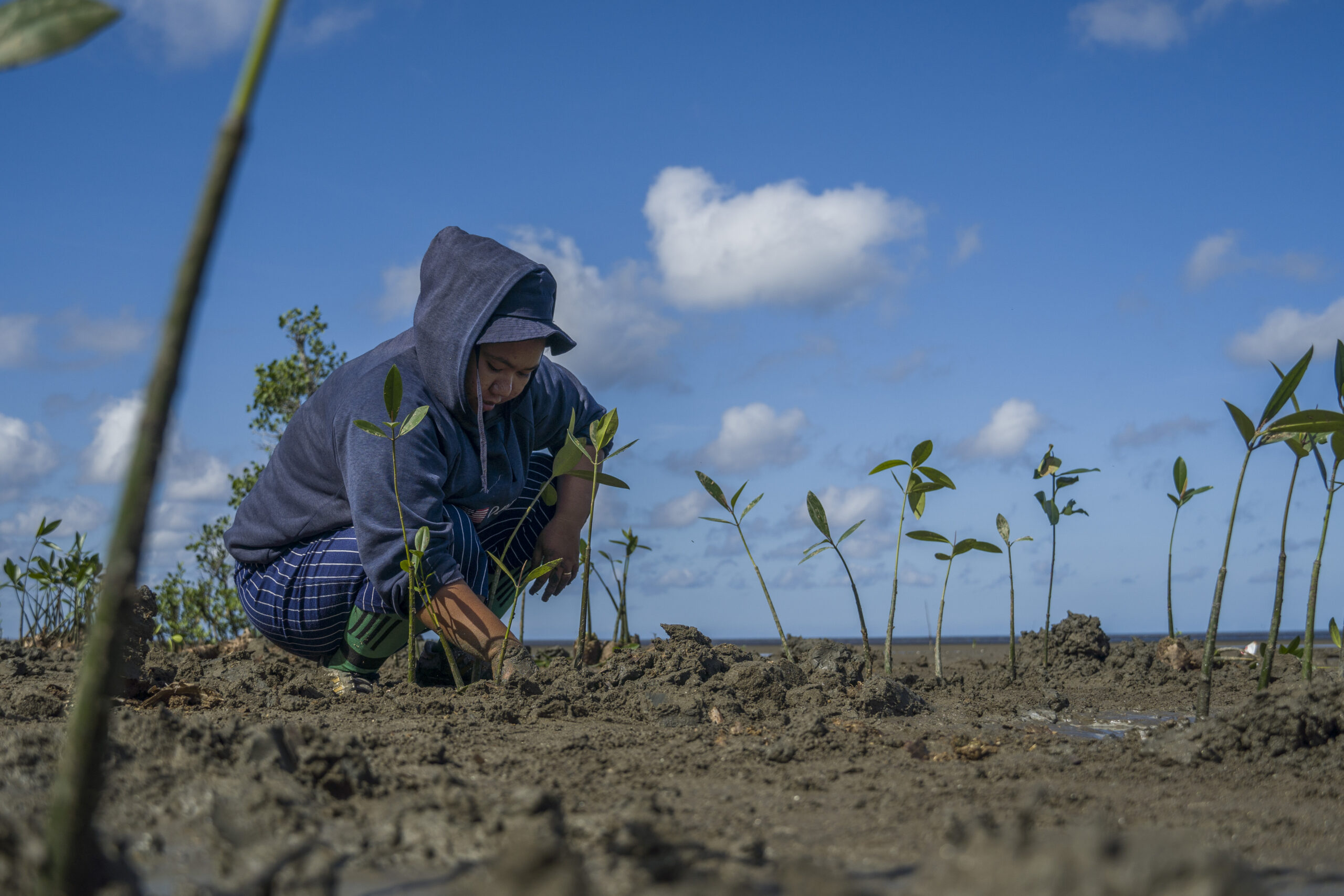
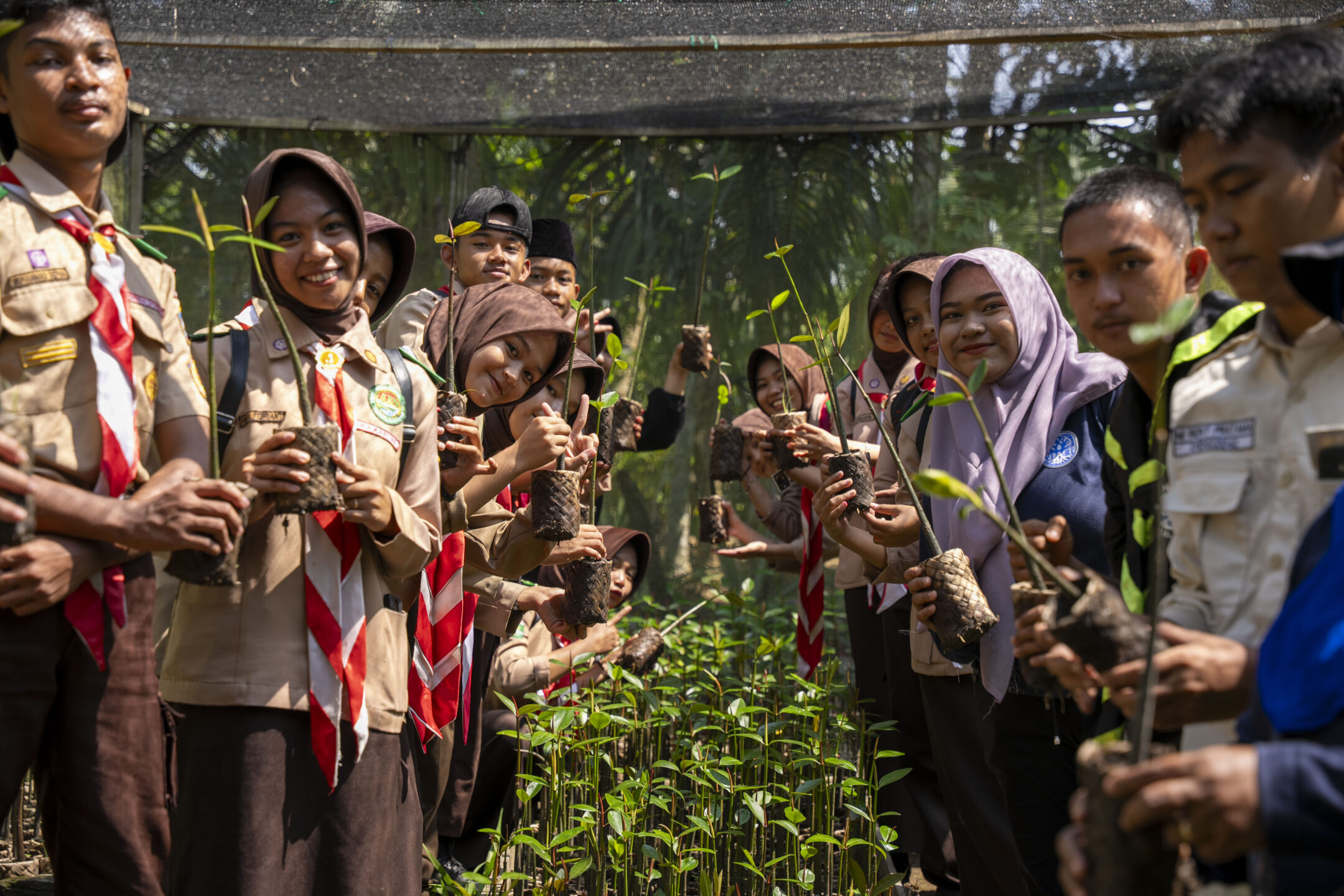 Scouts replanting mangroves
 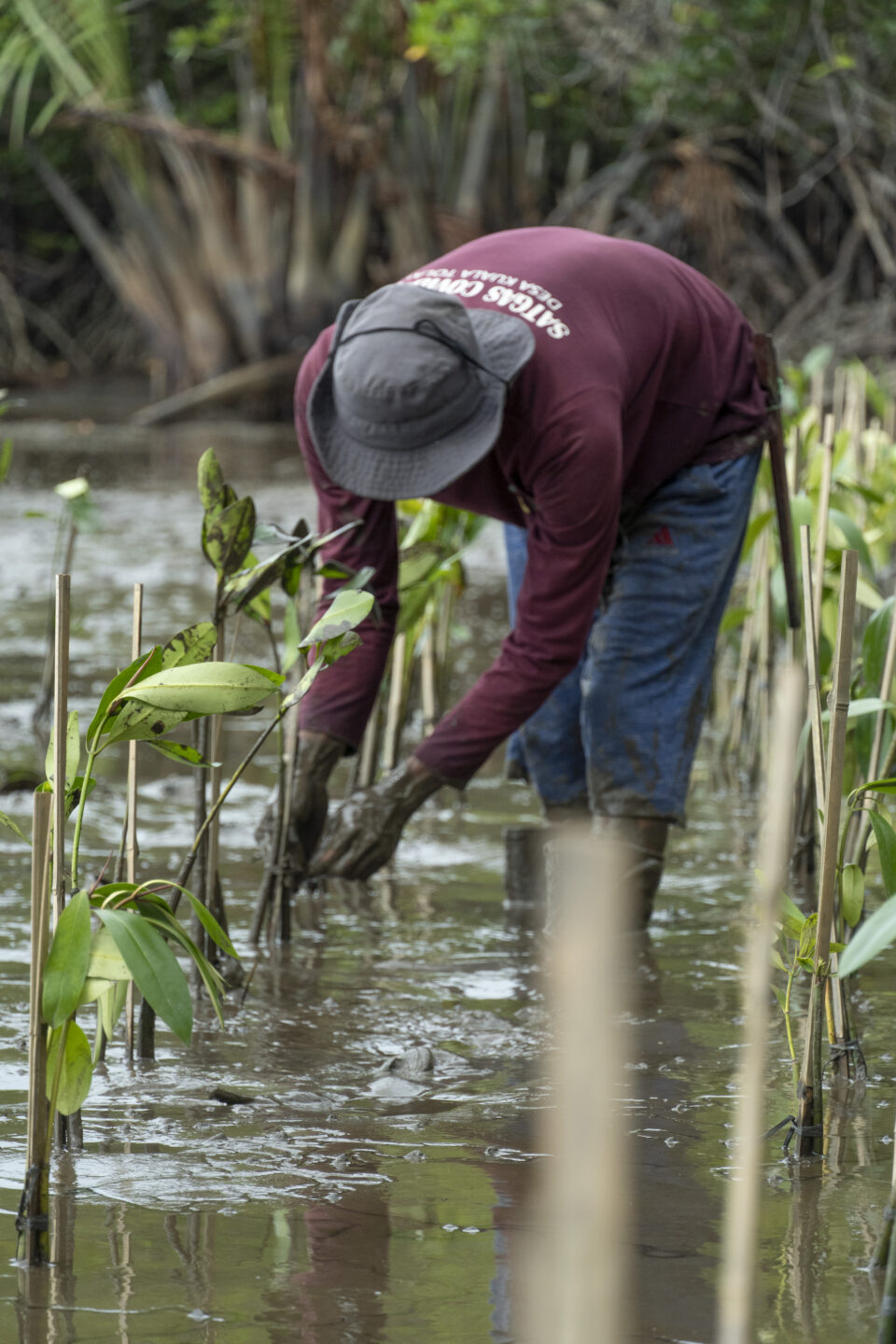 Replanting a mangrove
 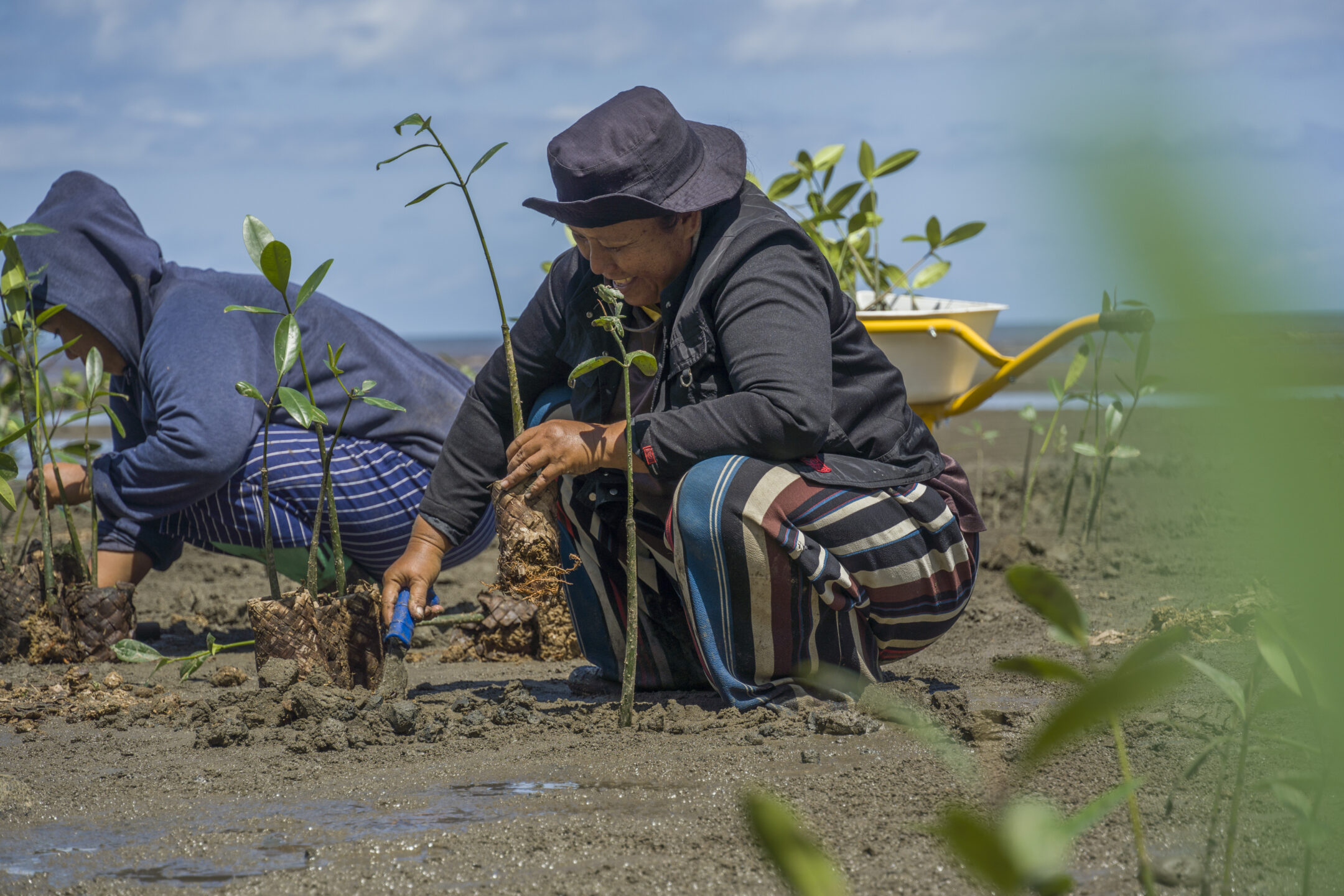 Seedlings to restore mangroves
A release site for rehabilitated orangutans.
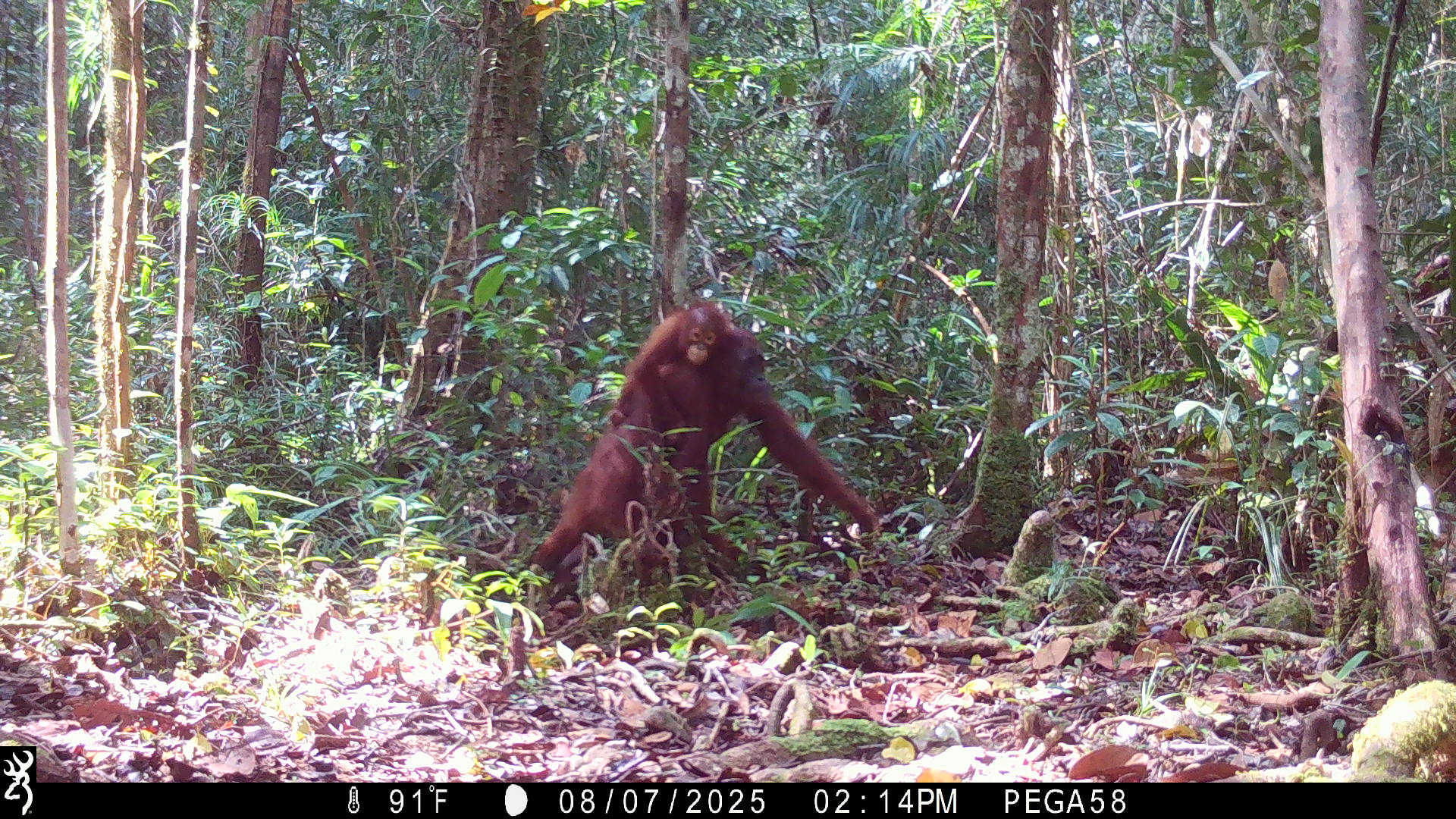
A biodiversity hotspot in Borneo.
Protecting one of Java’s richest forest landscapes.