
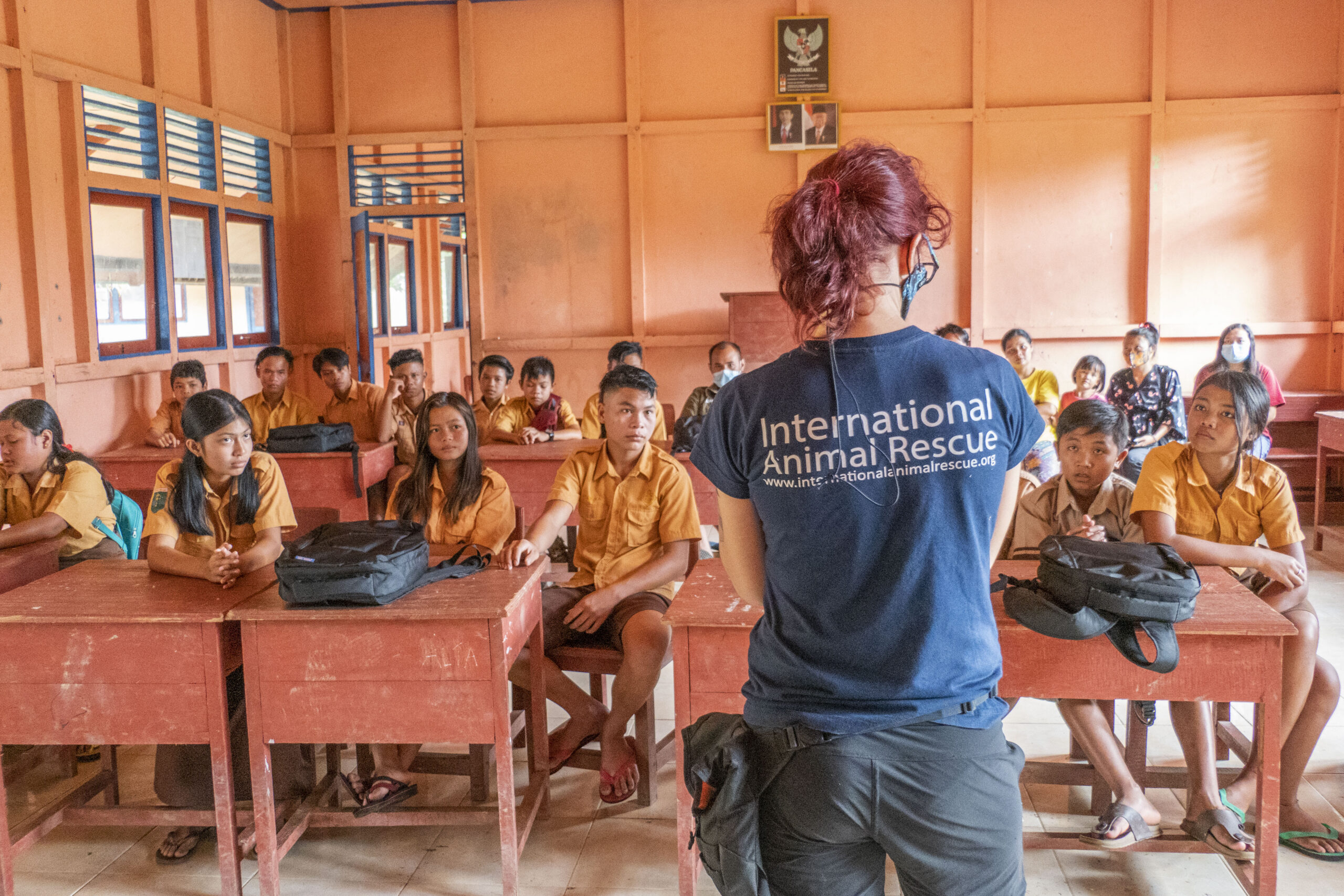
Education in Indonesia
Growing the next generation of conservationists.
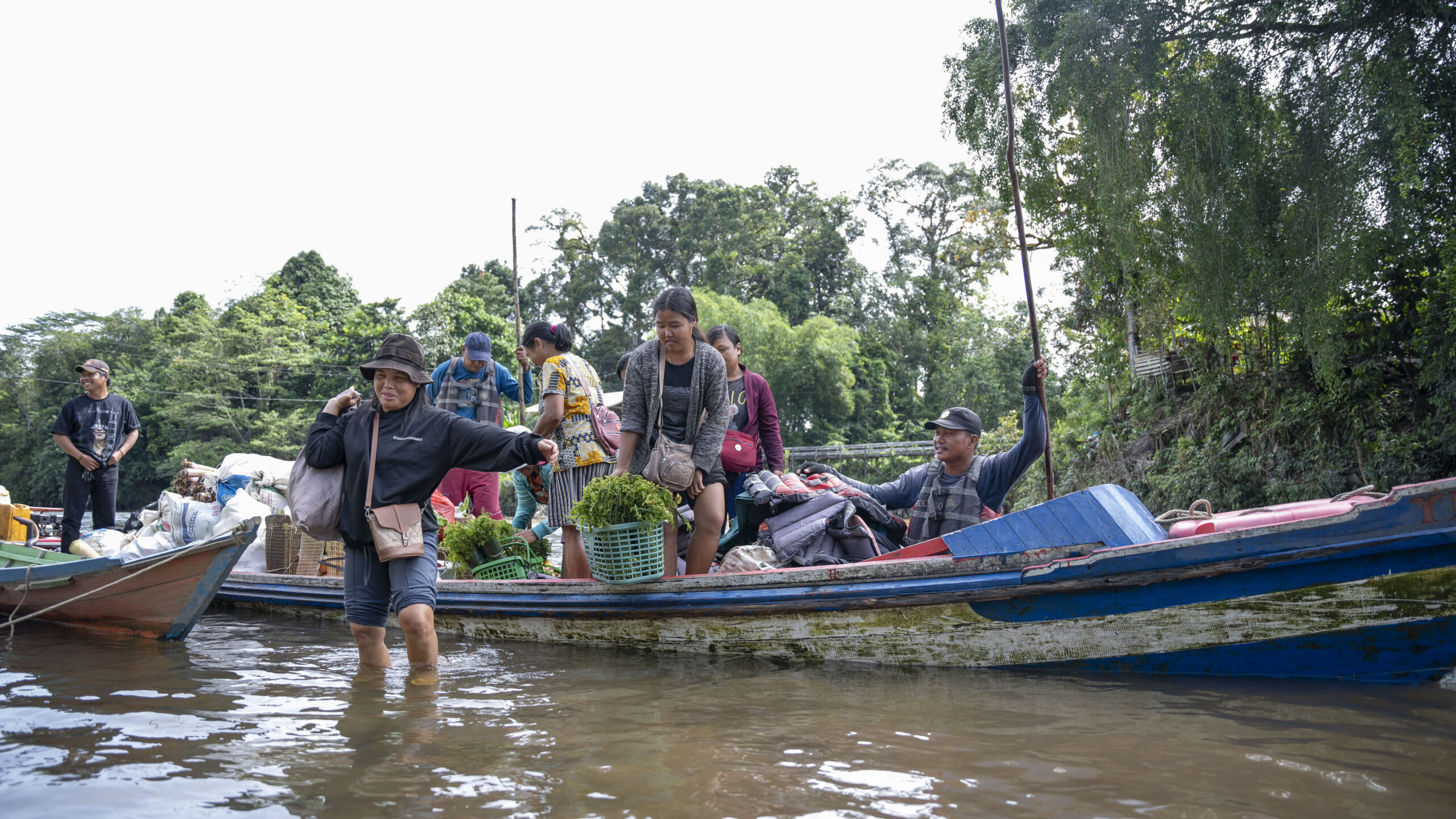
Helping Communities Thrive Without Harming the Forest
Farming a Way Out of Poverty
Across Indonesia, farmers living on the forest edge face a difficult reality. Generations of chemical-dependent farming have left much of the region’s soil depleted, and as yields fall, families are pushed toward whatever pays fastest, often illegal, small-scale gold mining. Mining brings quick cash but leaves poisoned water, barren land, and stripped forest in its wake, destroying the very farmland communities depend on and deepening the poverty that drove them to mine in the first place. Weak land rights and patchy law enforcement make this cycle hard to break without a genuine alternative.
YIARI works with many of these communities to interrupt that cycle at its root, teaching organic farming and agroforestry techniques that restore soil health without expensive chemical inputs, and turning unproductive, fire-prone land into thriving rice, sugar cane, coffee and vegetable farms.
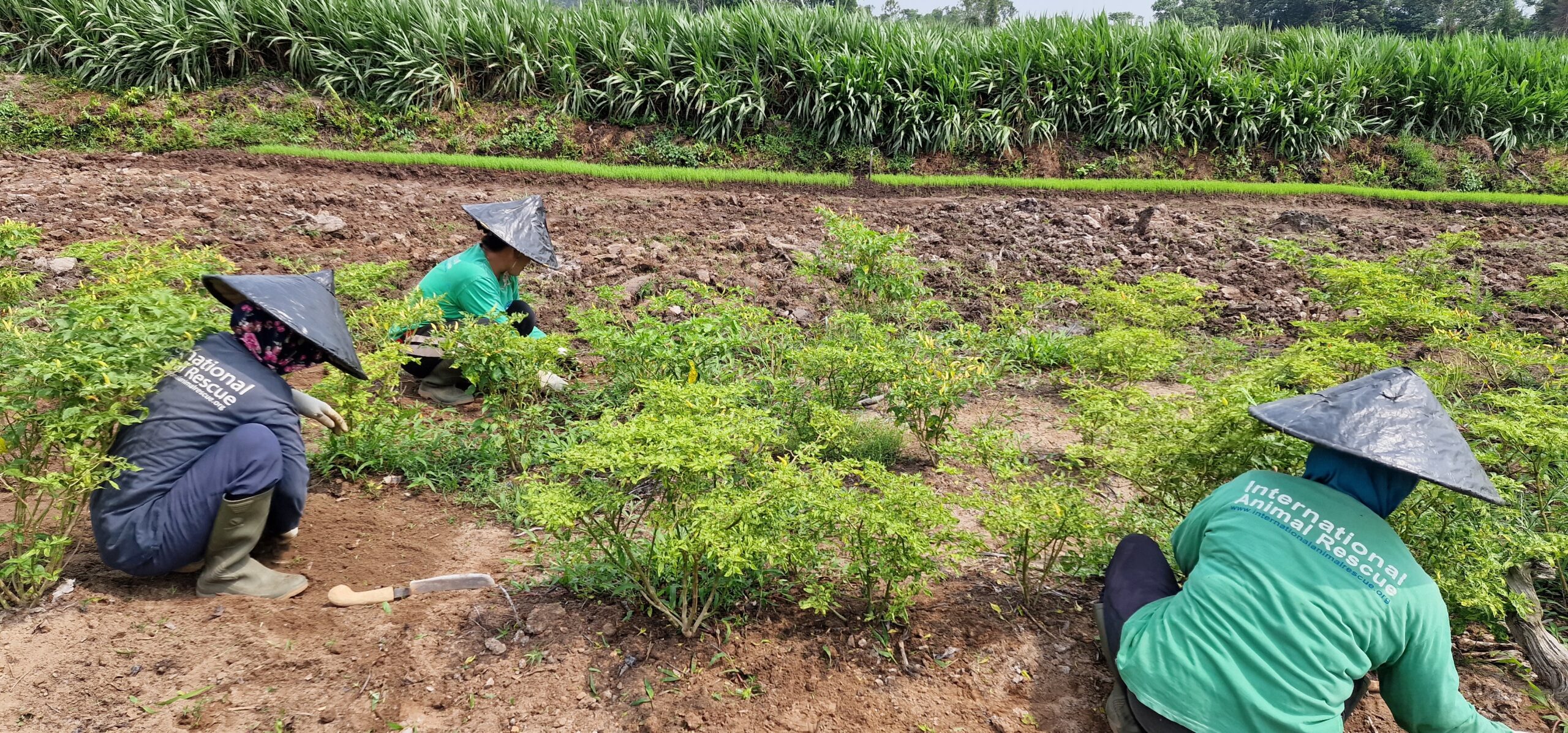
Training farmers in organic techniques to bring exhausted soil back. IMPACT: Rice yields rose from around 950kg to 2,800kg per harvest in just six months.
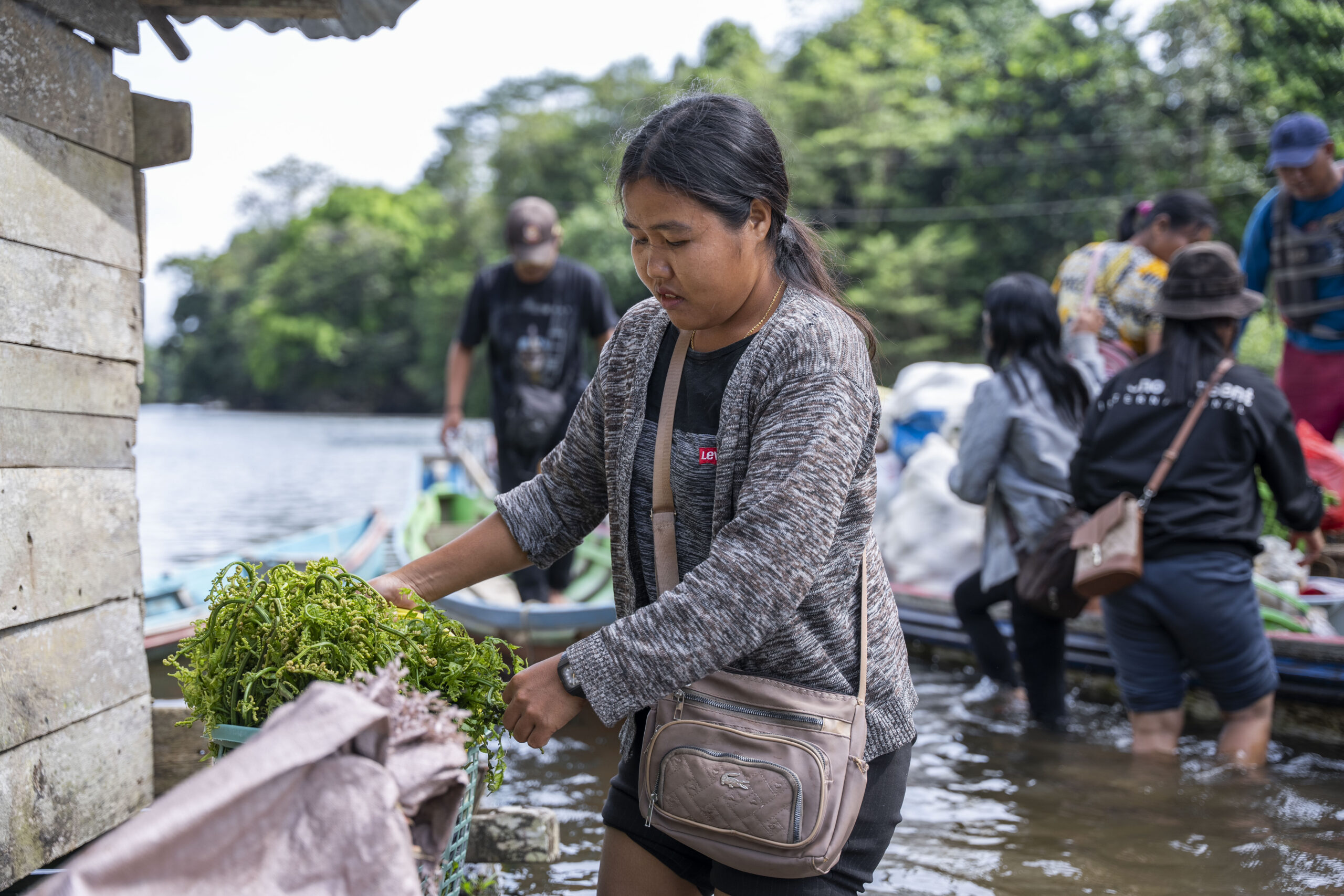
How a very simple, practical, solution helped a village earn more money from their produce and improved their overall income.
Many of YIARI’s forest restoration projects are led by women. At tree nurseries, women grow seedlings from forest-collected seeds in biodegradable pots woven from pandanus leaves rather than plastic, and are paid directly for both the work and the pots they weave, giving many of them an income of their own for the first time.
The Power of Mama takes this further: a 96-strong, all-female firefighting team, the first of its kind in Indonesia, now protects the forest from one of its biggest threats and gives local women a leading role in conservation.
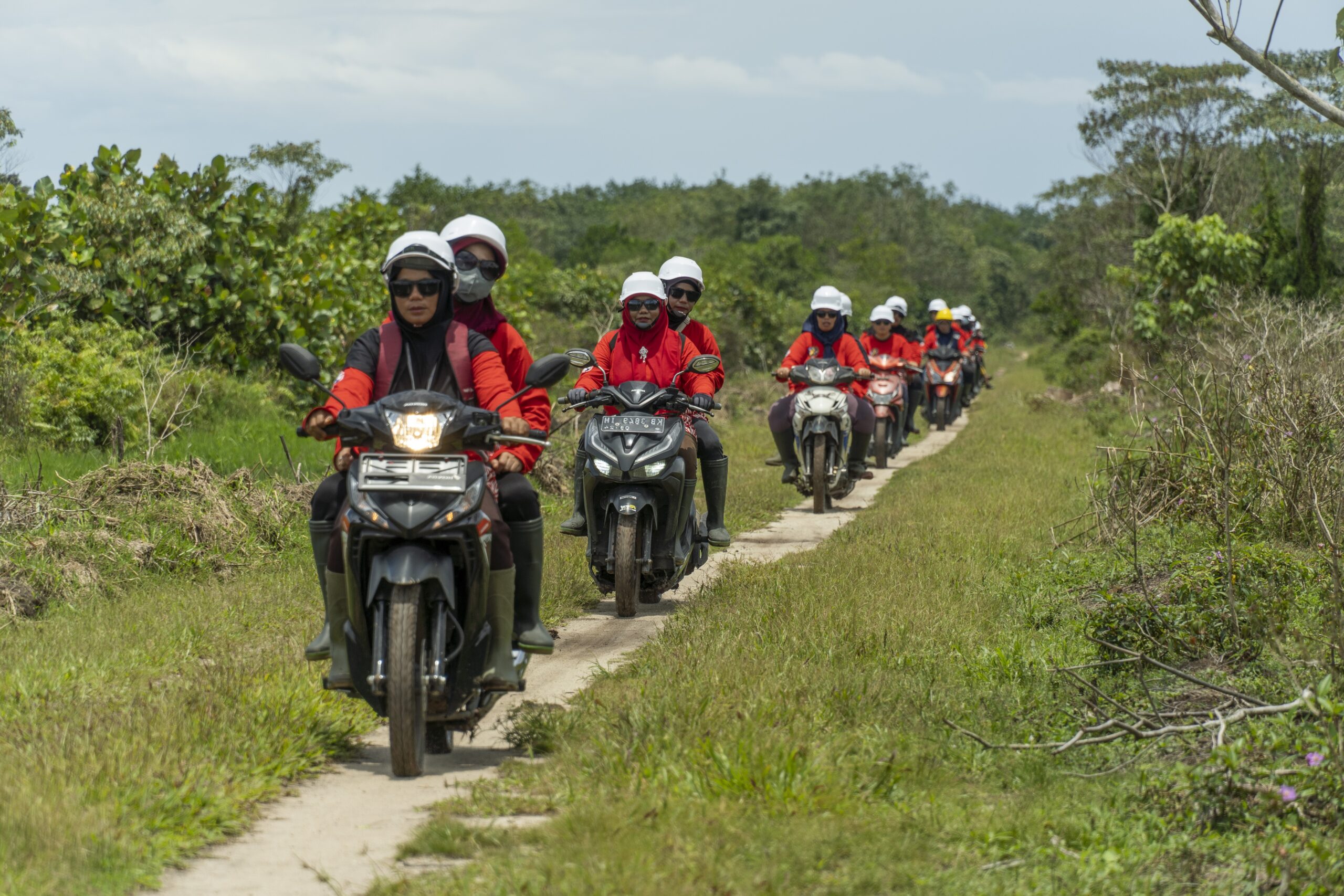
This inspiring group of women is tackling gender stereotypes and leading the way in their local villages to improve the quality of their lives and promote conservation.
YIARI’s scholarship programme provides bikes and boarding costs so that young people in remote areas can attend high school. So far, 11 young people have already graduated and gone on to train as doctors, midwives and teachers.
In villages where children are out of school altogether, YIARI has set up libraries, donated laptops, and run literacy programmes, including for women who missed out on an education themselves. At the Sir Michael Uren Learning Centre in Ketapang, education, research and community life come together under one roof.
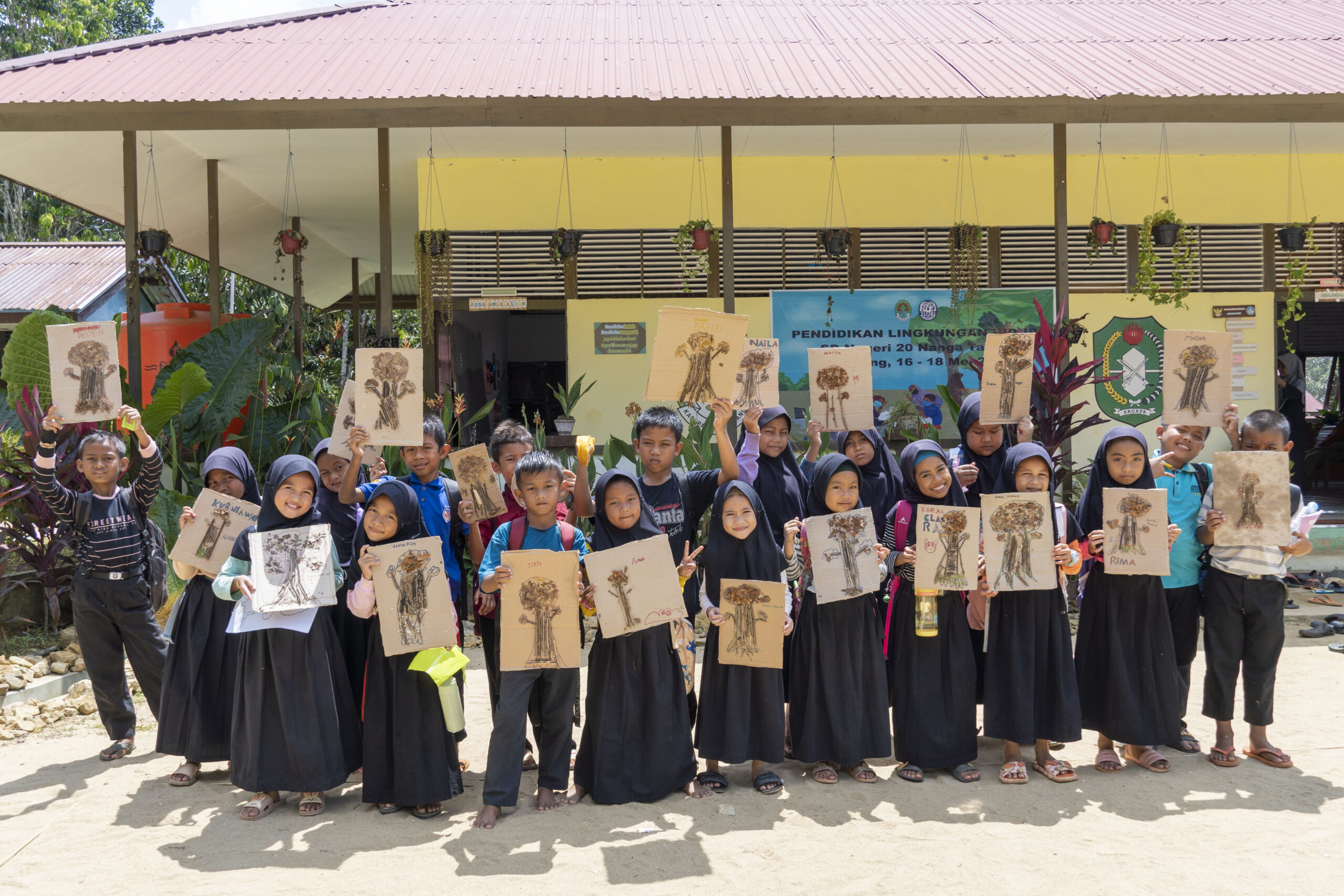
Education programmes, from after-school clubs to conservation camps and scholarships are helping creating a generation that will lead conservation efforts in their own communities.
This work had improved the lives of over 3,000 women, men, and children across Indonesia. But the goal isn’t simply to reduce poverty, it’s to break the link between poverty and the destruction of the rainforest for good, one village, one family, and one alternative livelihood at a time.
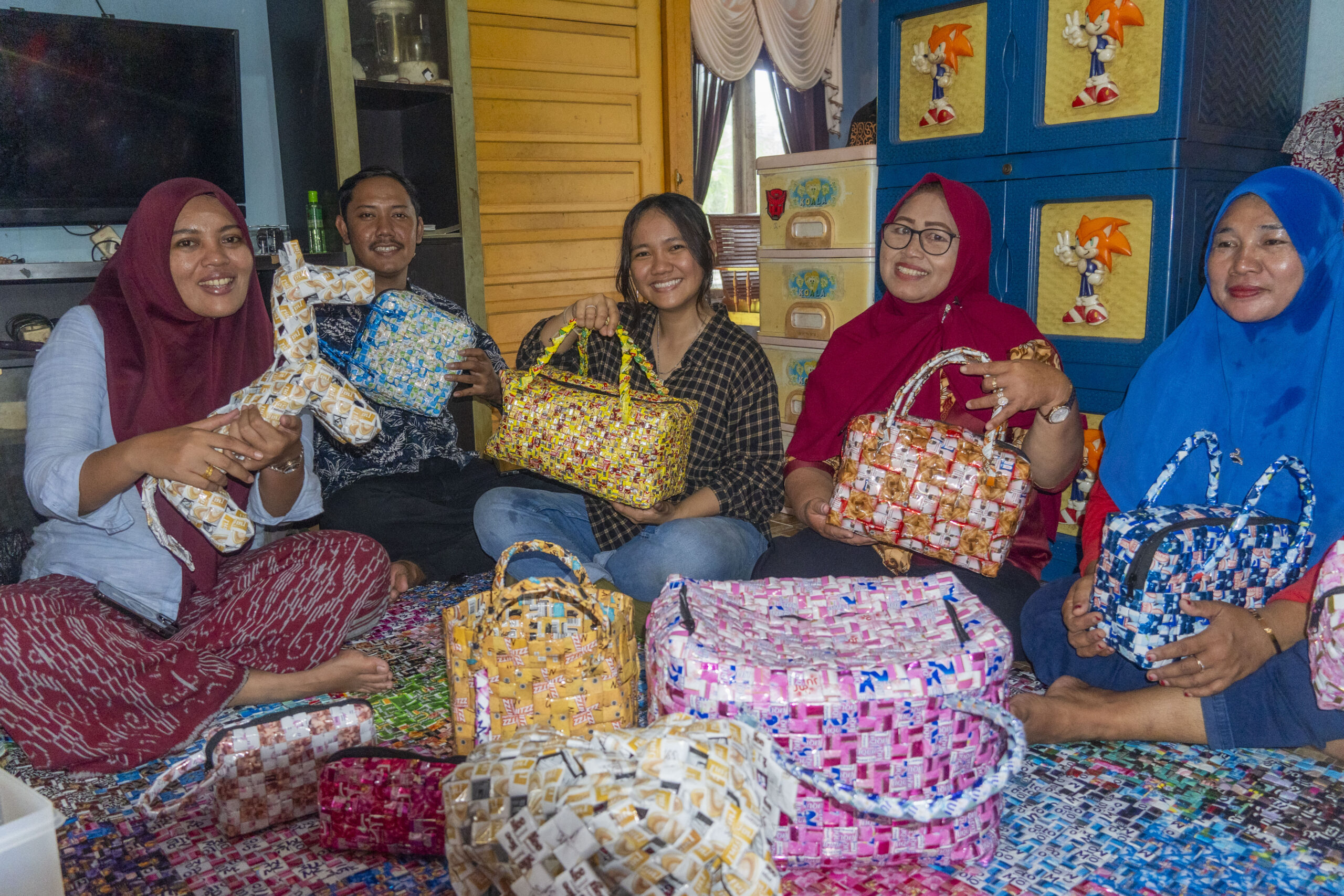
Every farming programme, boat, scholarship, and seedling nursery funded is one less reason for a family to turn to logging, hunting, or mining to survive.
Growing the next generation of conservationists.
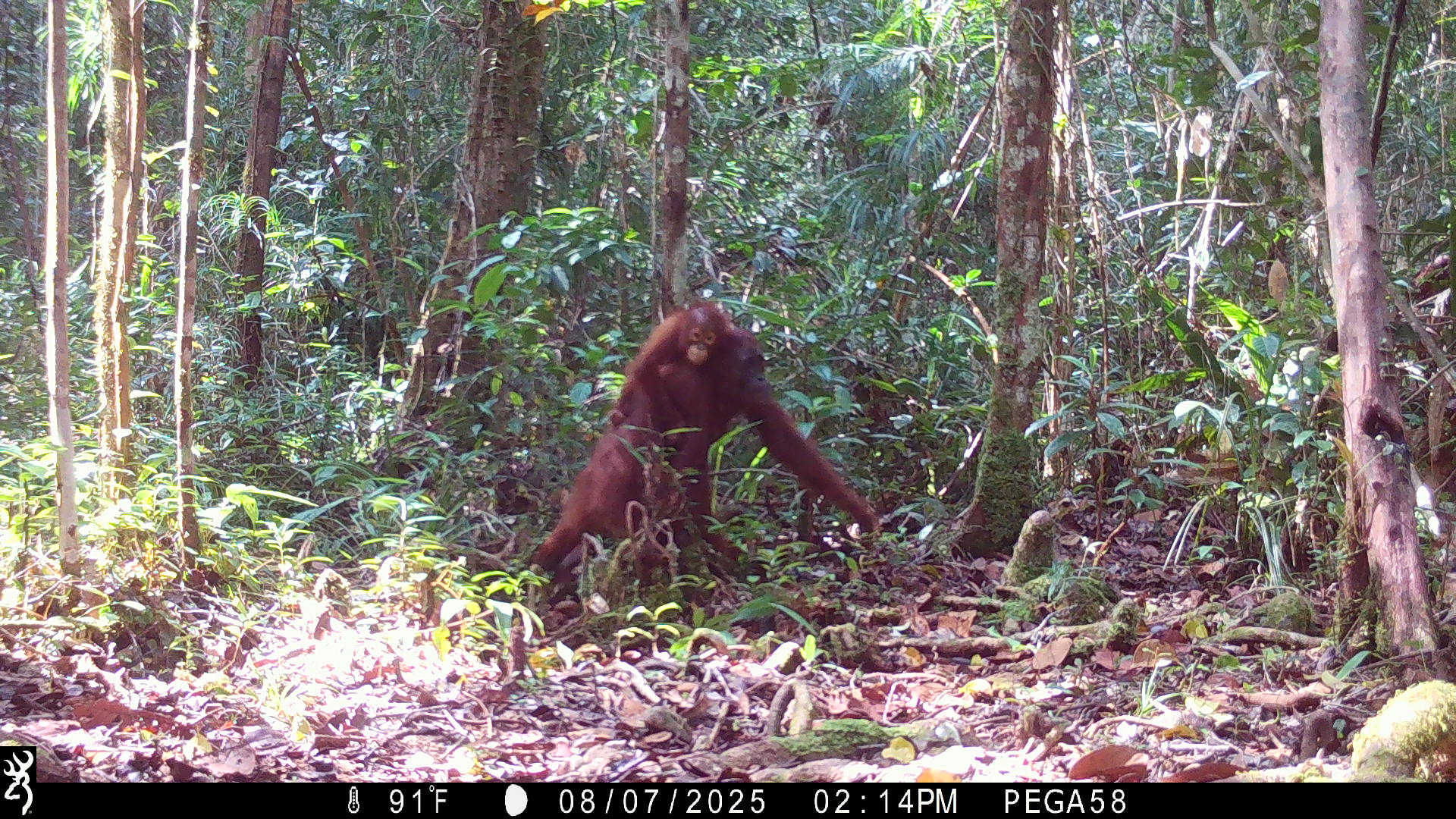
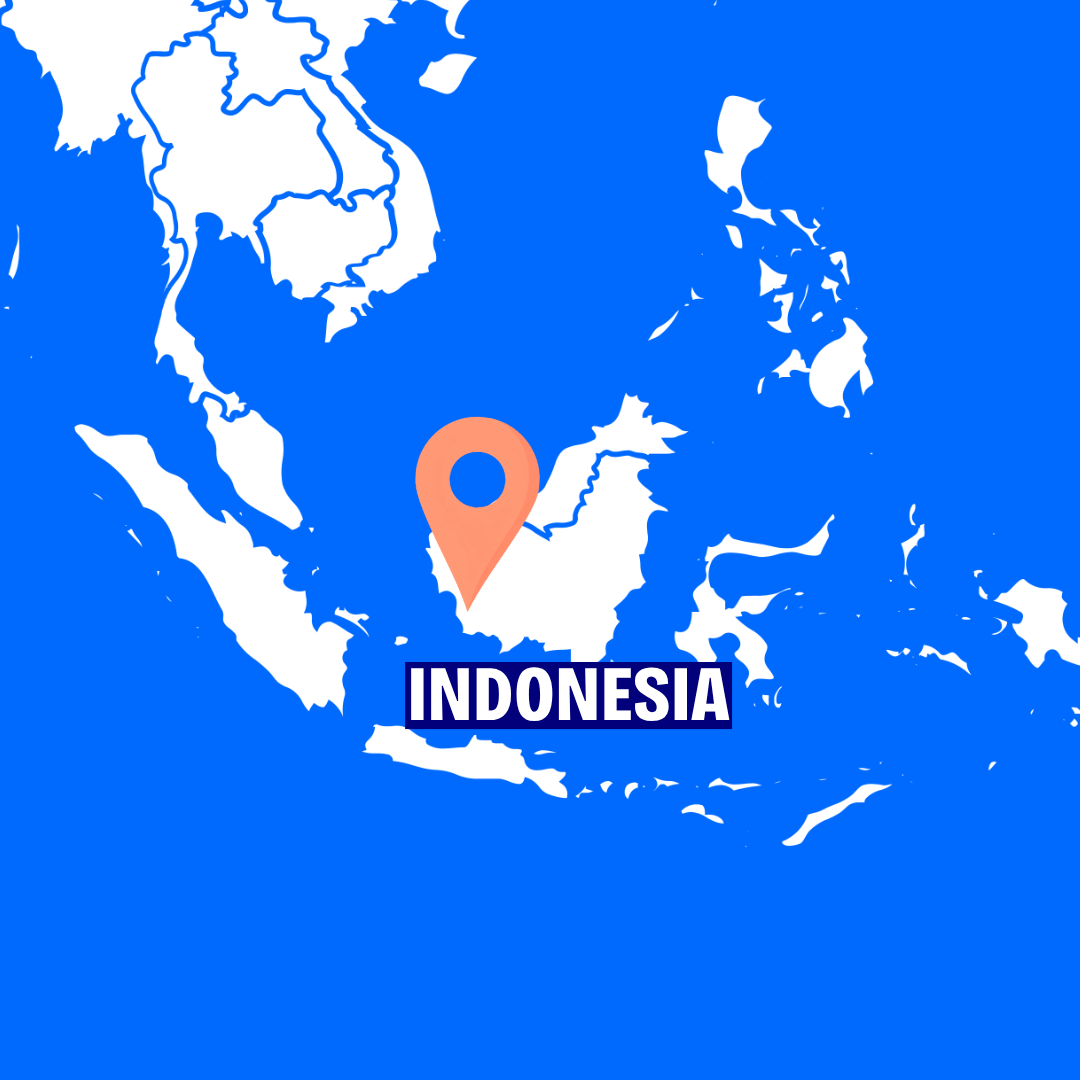
A biodiversity hotspot in Borneo.