
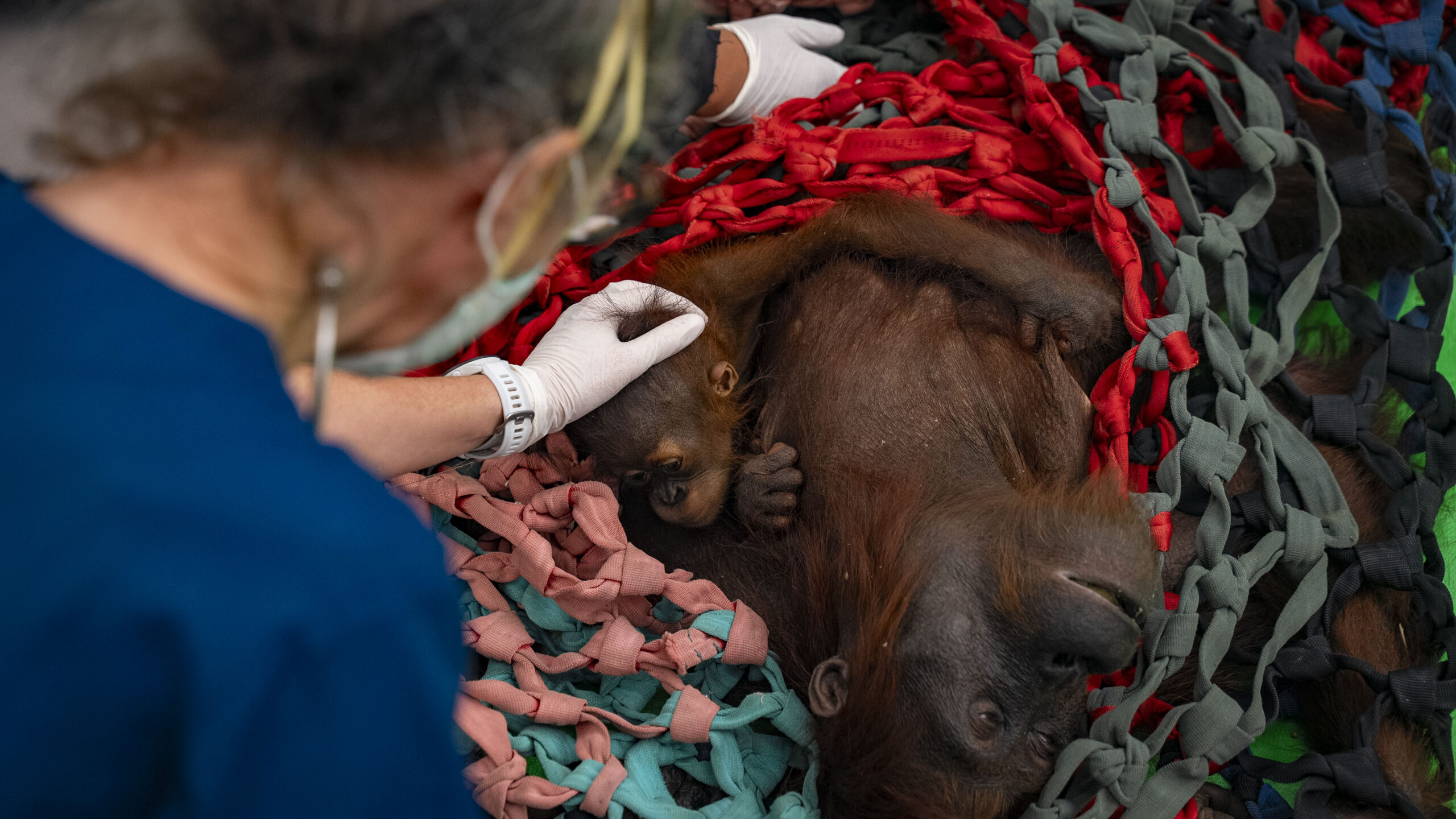
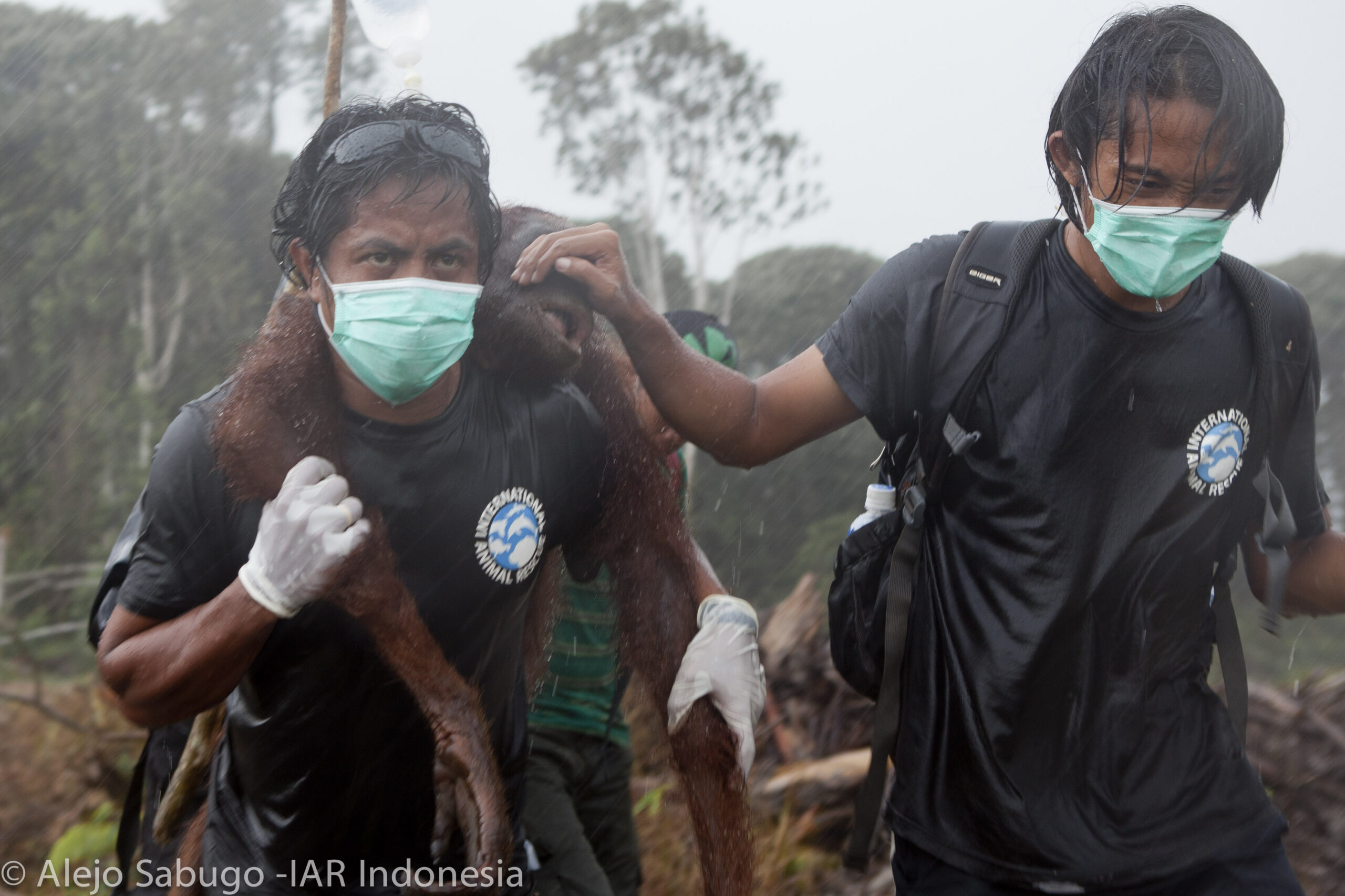
An orangutan is carried out of the forest on the back of a human. Her baby clings tightly to her, eyes wide with innocence and confusion. The soles of the mother’s feet are badly burned.
This is not an everyday sight. But here at International Animal Rescue (IAR), sadly, it is not a rare one either.
As the founding partner of Yayasan Inisiasi Alam Rehabilitasi Indonesia (YIARI), we have worked alongside them for more than two decades to protect orangutans and restore the landscapes they depend on. As the largest financial backer of this work, IAR provides more than $2 million USD each year to support our shared mission of primate protection, conservation and ecosystem restoration.
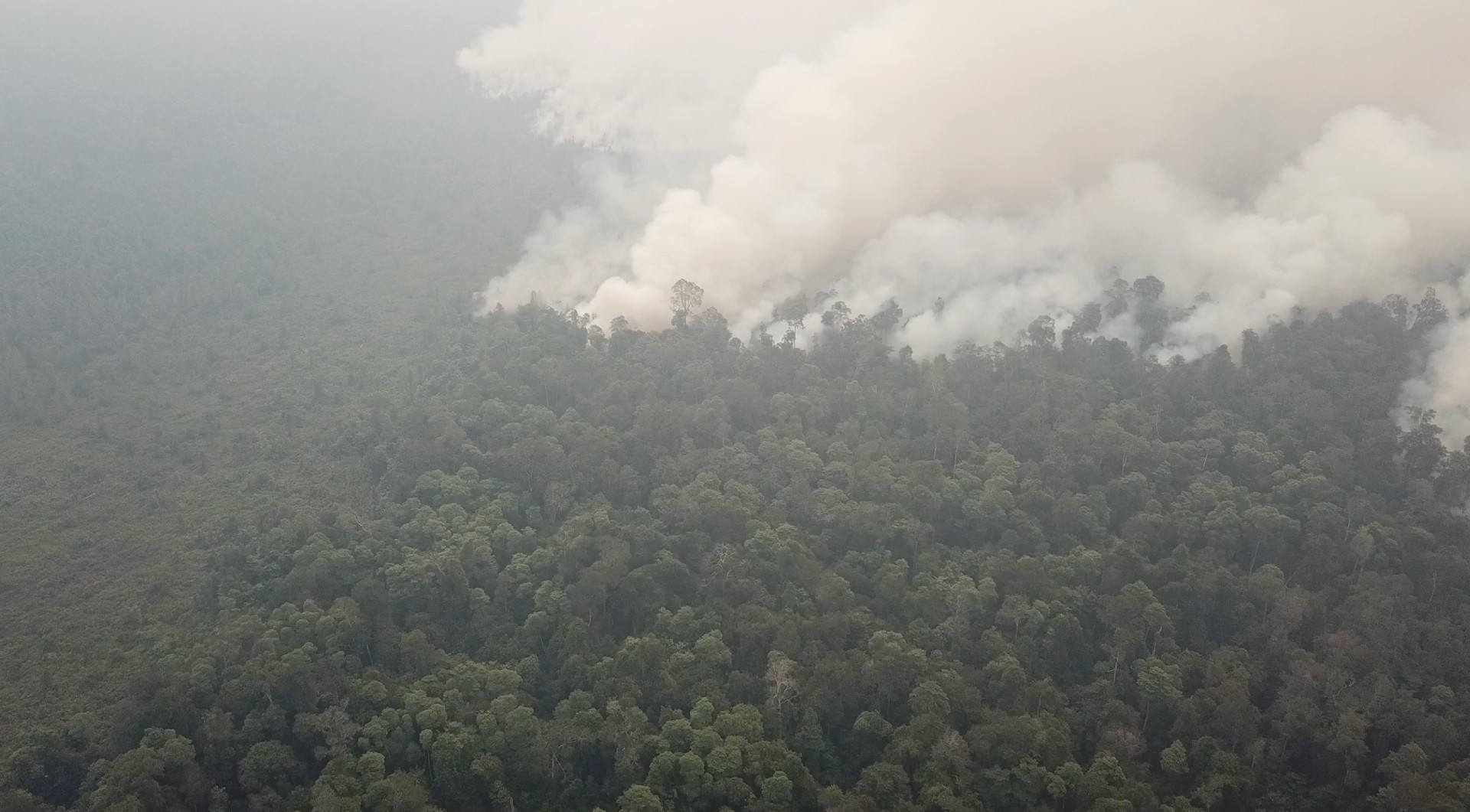
Forest Fires in 2019
Fires in 2015 & 2019
And this year, the scale of the devastation is unprecedented.
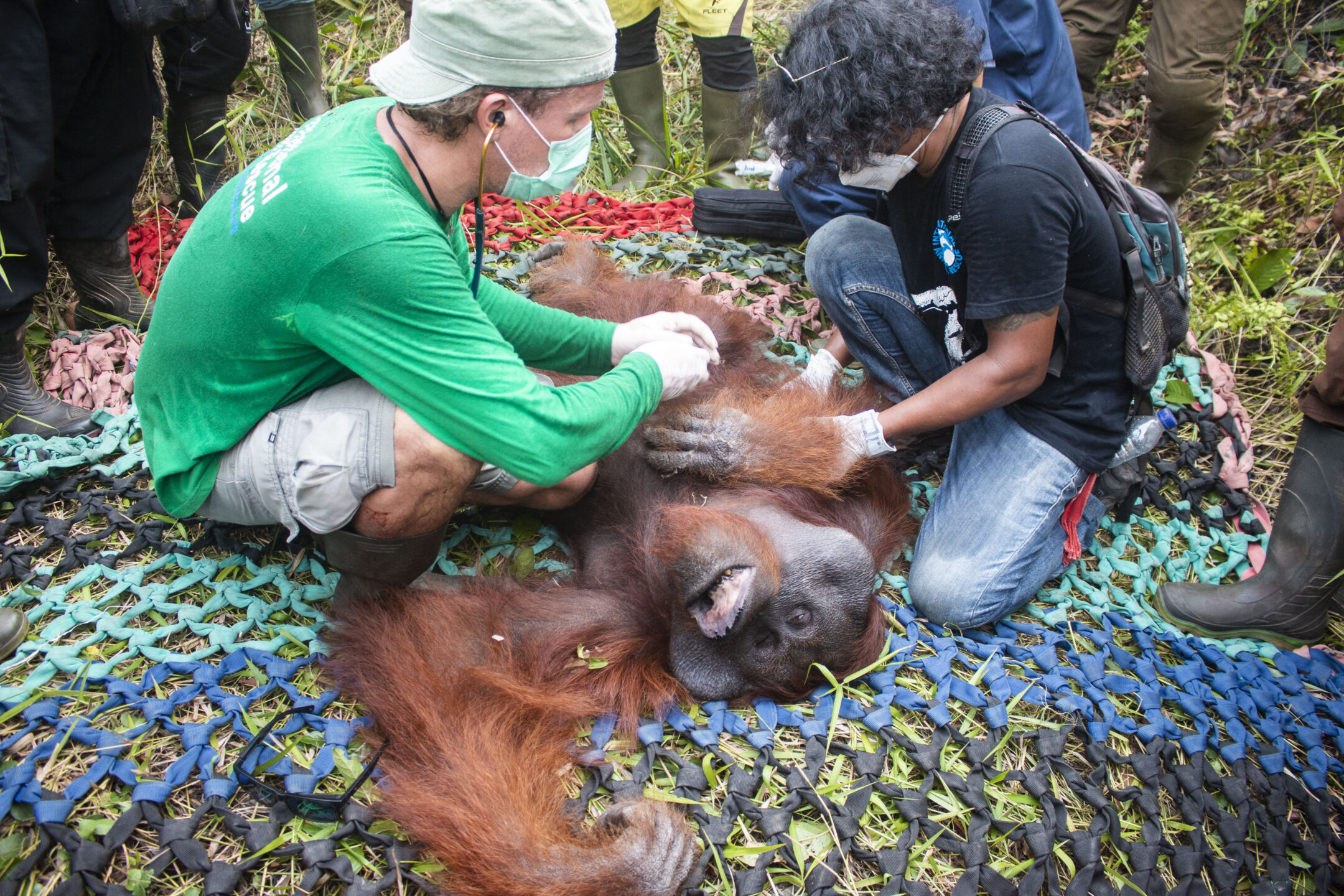
At the time of writing, YIARI’s team has rescued 46 orangutans from the fires, and the number is still rising. That has already surpassed the 40 rescued during the catastrophic 2015 fires. Sadly, we expect many more will need help in the months ahead.
Just last week, nine orangutans were rescued from the wildfires in a single day, all in life-threatening condition. They were brought to YIARI’s orangutan rescue and rehabilitation centre in Ketapang, West Kalimantan, a sanctuary now bursting at the seams, at a time when there are very few safe places to release them.
For the director of YIARI, Karmele Llano Sanchez, seeing the centre this full is a painful reminder of how quickly circumstances can change.
Only two years ago, in 2024, not a single orangutan rescue was needed.
That empty quarantine area was not a sign that the work was no longer necessary. It was a sign that the work was succeeding.
Together with YIARI, we have spent years reducing the need for orangutan rescues through a holistic conservation strategy combining wildlife rehabilitation, habitat restoration, intensive land patrols and careful landscape management.
The goal has always been bigger than rescue.
It is about giving Bornean orangutans a future in the wild — whether they have been rescued from captivity, wildfire or conflict in and around palm oil plantations — and making sure there is a safe, healthy forest waiting for them when they are ready to return.
Crucially, local communities are at the heart of this work.
YIARI employs around 300 local people and works closely with communities living alongside the forest. Initiatives such as the Power of Mama, a female-led forest fire prevention and firefighting team, sit alongside sustainable livelihood projects and scholarships supporting the next generation of forest guardians.
The aim is to make conservation part of the fabric of community life, not something imposed from outside.
Rescues from Forest Fires
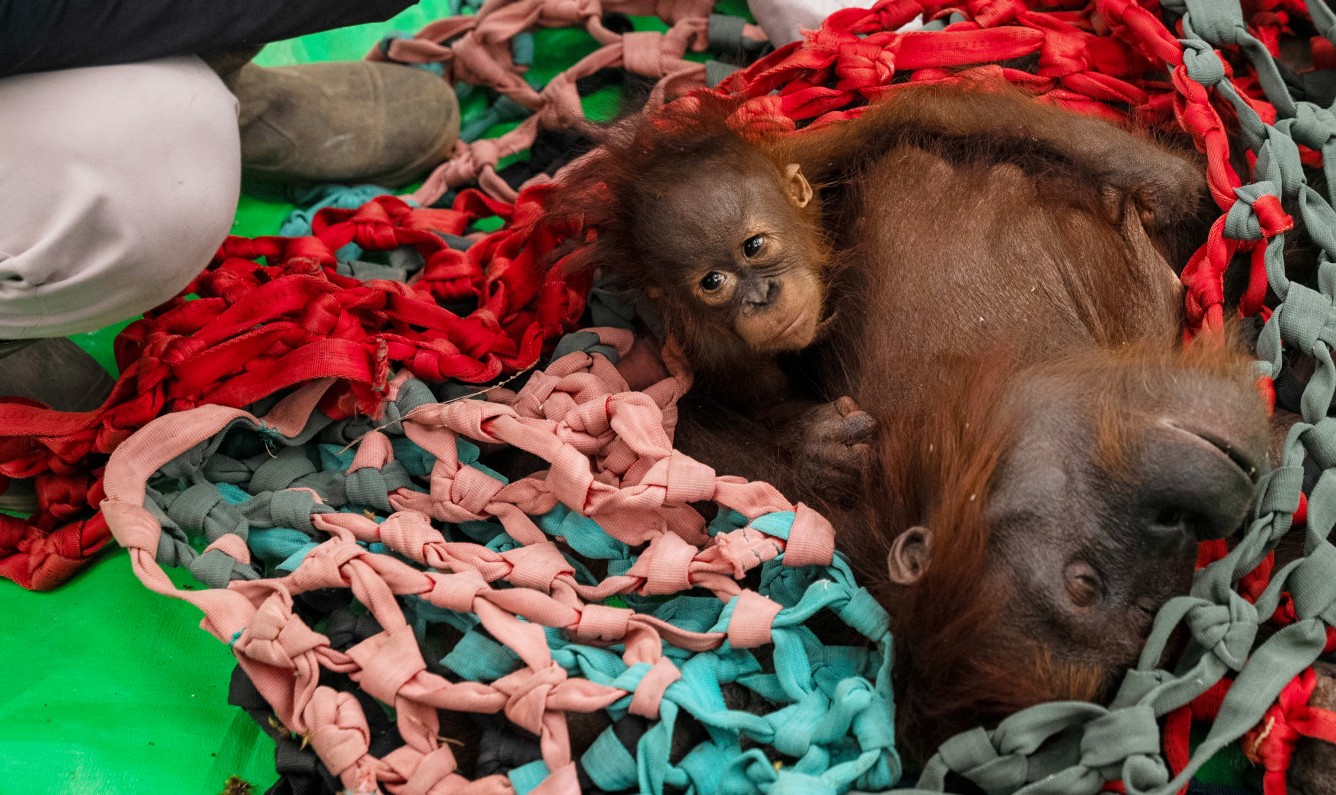 Mama & baby Penja – 2026
 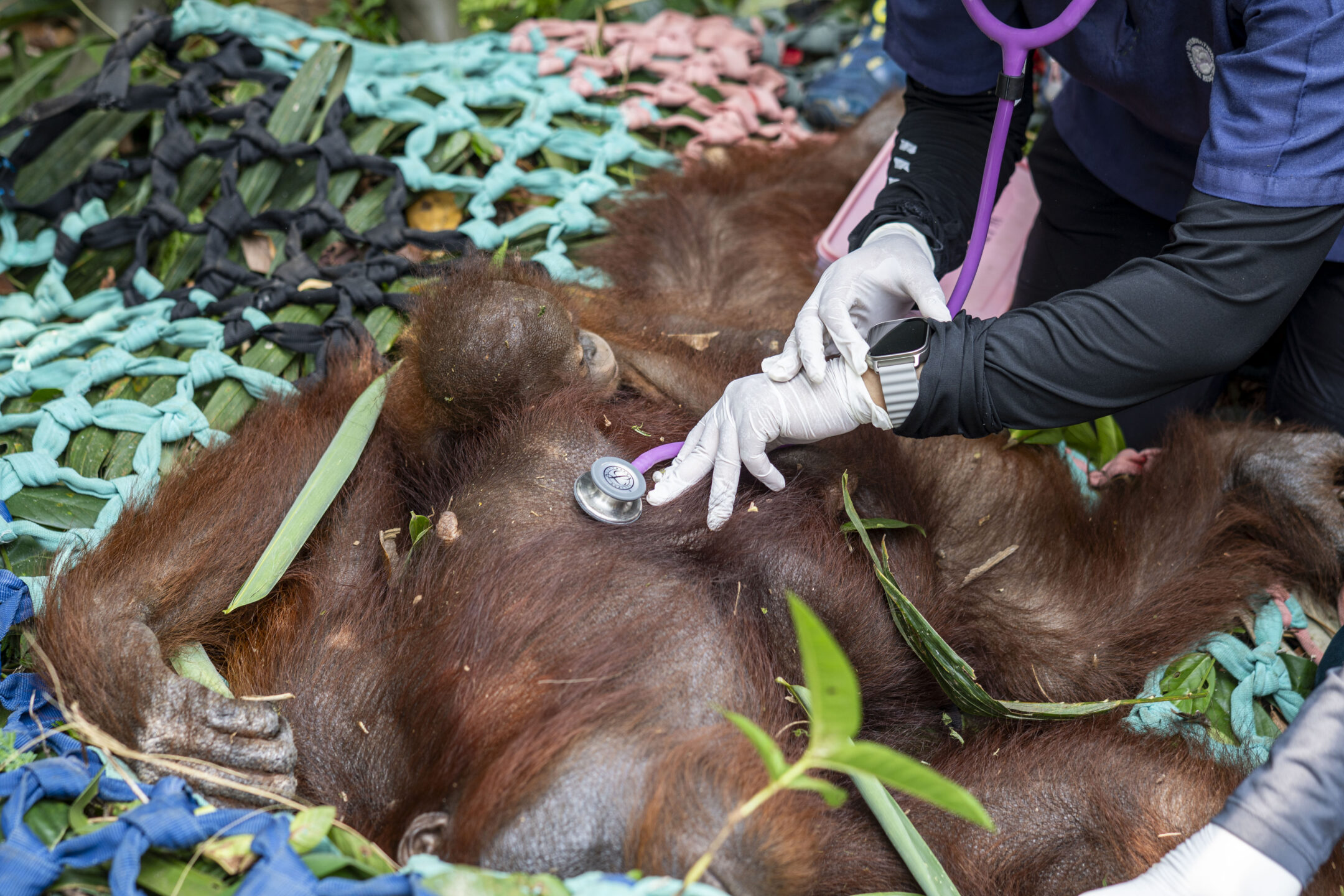 Mama & baby Yuni – 2026
 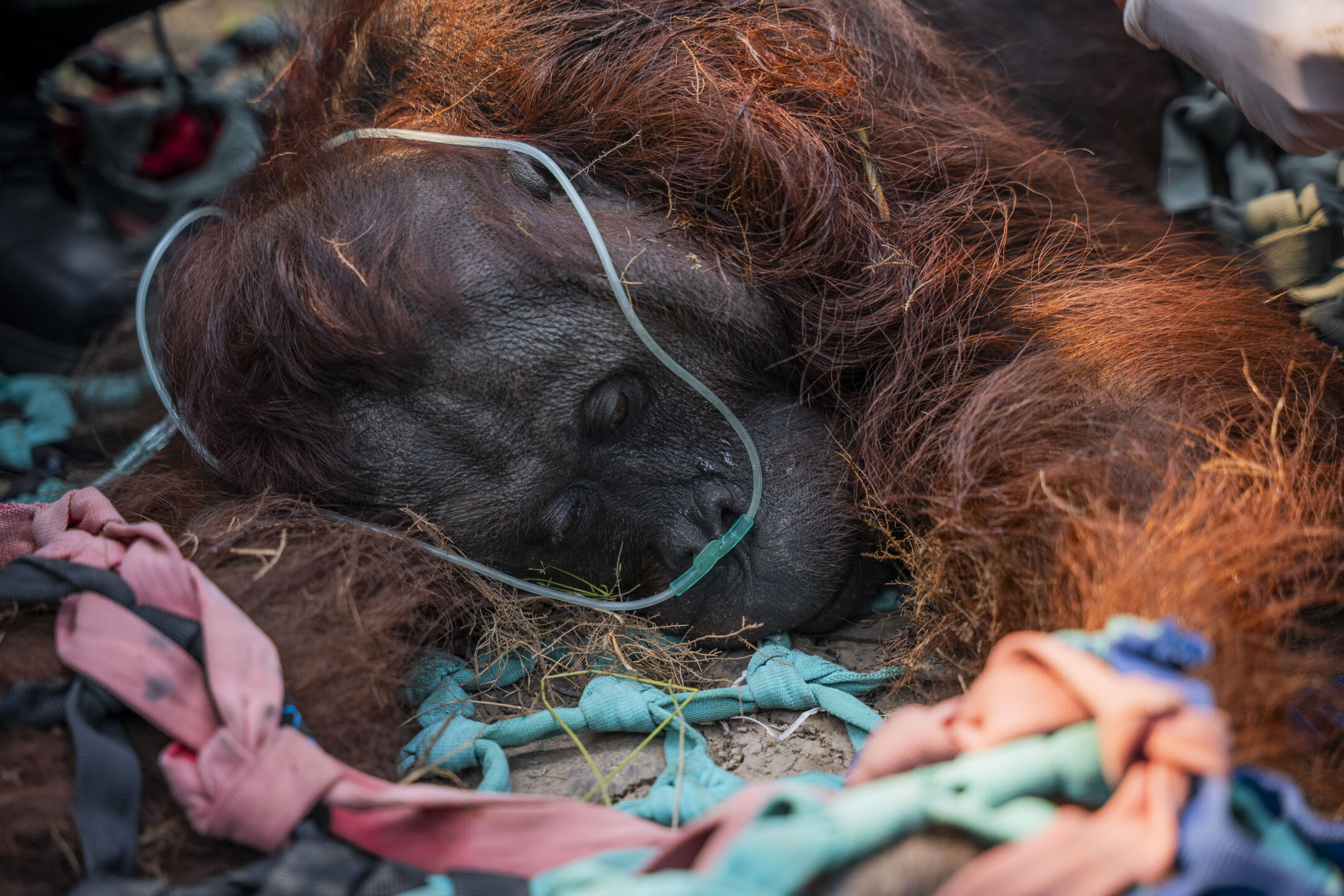 Sampurna – 2026
 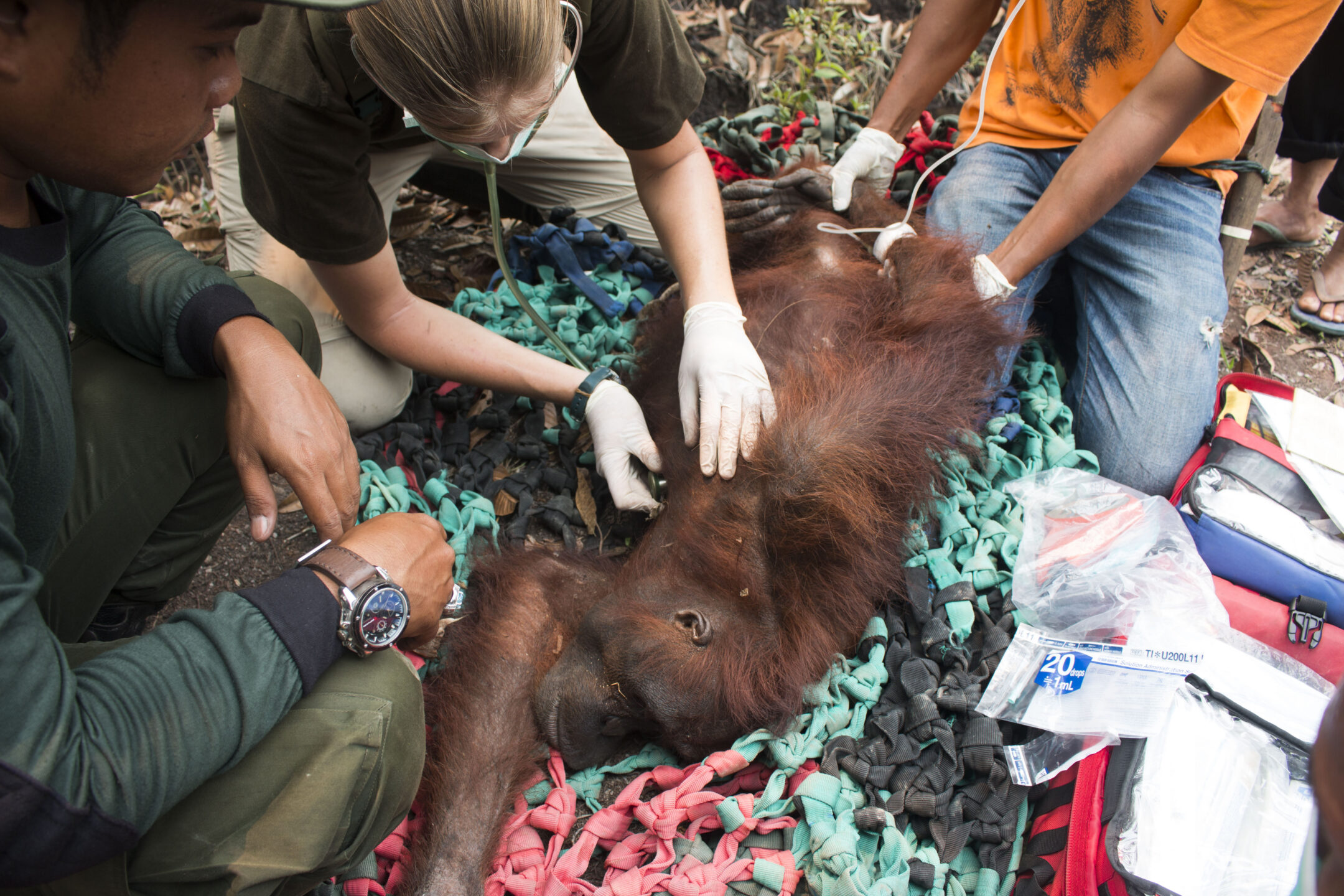 Fitri & Fajar – 2015
 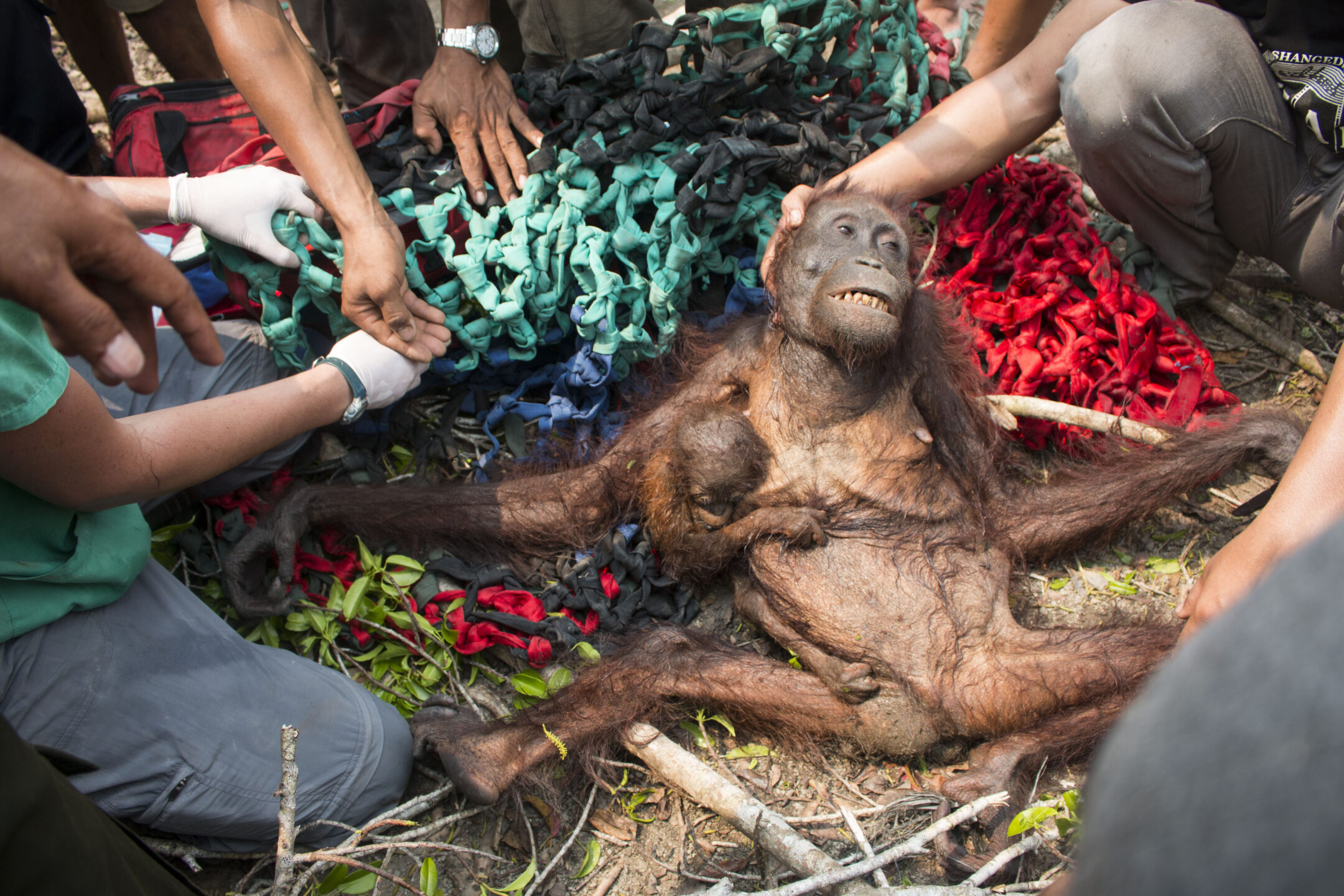 Mama & baby Anti – 2015
 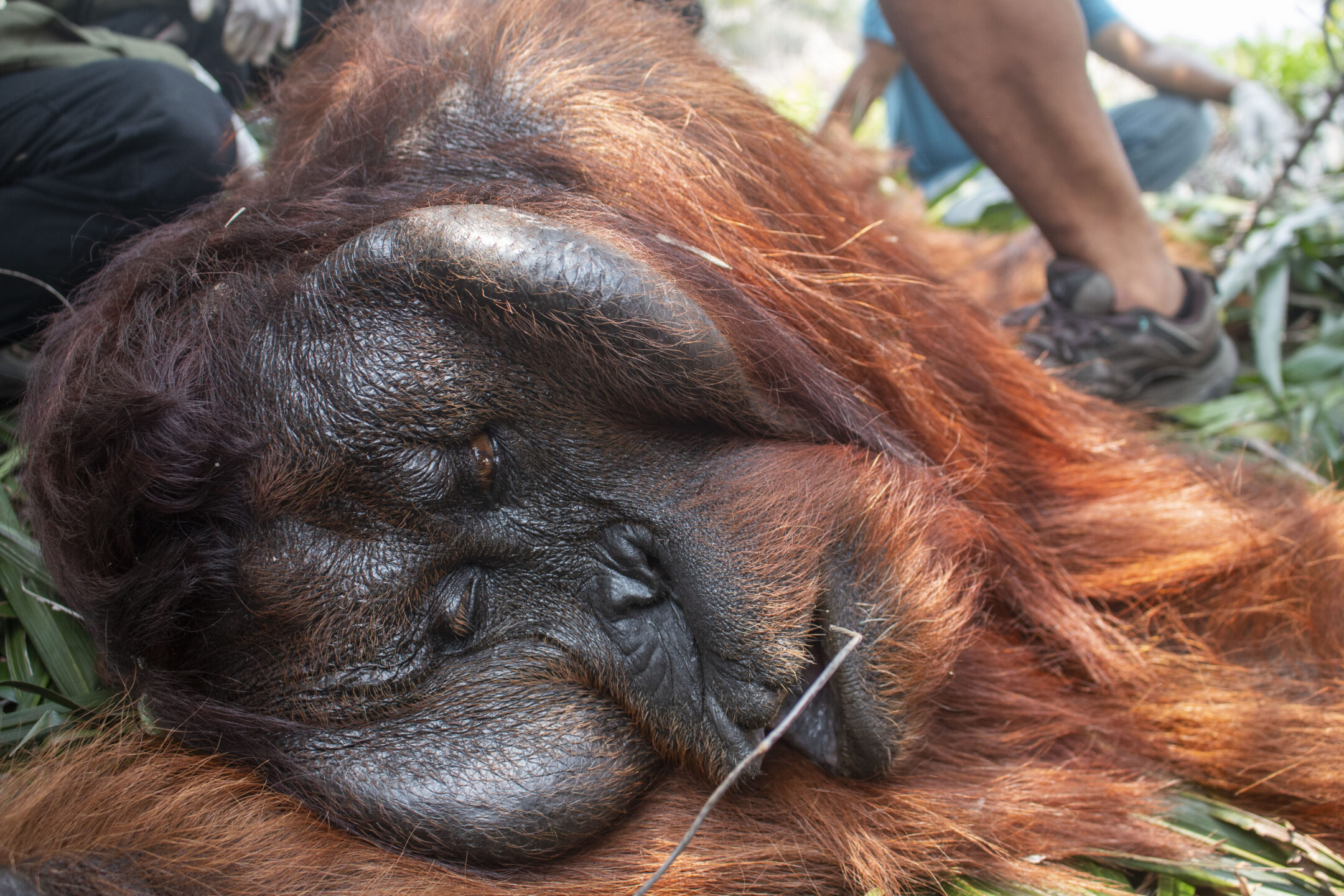 Berat – 2019
  Junai – 2019
 Protecting orangutan habitat in West Kalimantan
When we first began working in West Kalimantan, the landscape was changing at an alarming pace. Forest was being cleared for palm oil plantations and other forms of agriculture, while illegal logging and land-use change were degrading the landscapes orangutans depended on.
Twenty years of hard work began to change the picture.
During that time, hundreds of orangutans have been returned to carefully selected habitats, across more than 300,000 hectares of protected landscape, giving them something every orangutan deserves: a second chance at life in the wild.
In recent years, we have witnessed something extraordinary: more babies being born in the wild to rehabilitated and released orangutan mothers than orangutans needing rescue.
That is what conservation success looks like.
Which is why seeing the landscape devastated by fire, and the sanctuary filling up again, is so heartbreaking. But this is not the first crisis IAR and YIARI have faced together, and it will not be the last.
Restoring Borneo’s forests after wildfire
After the devastating fires of 2015, we supported YIARI in an ambitious reforestation programme that planted 650,000 trees to help restore the forests that had been lost.
The land recovered. Orangutan populations began to recover with it.
Today’s fires are a devastating setback, but they do not erase two decades of progress. They remind us instead why long-term orangutan conservation matters.
We will continue to rescue the orangutans who need us. We will continue restoring the forests they call home. And, most importantly, we will continue working alongside the people who live closest to those forests to protect them for generations to come.
Because conservation is not about being there only when disaster strikes. It is about building a future in which fewer orangutans need to be rescued at all.
And when that future is threatened, we will be there, now, and for as long as the orangutans need us.
FAQs
Weather conditions can then make the situation dramatically worse. During prolonged dry periods, including those associated with El Niño, vegetation and soils become much drier and fires can spread more quickly and become much harder to control. In West Kalimantan, large areas of low-lying peatland can become especially vulnerable when they have been drained. Once dry, peat can burn deep underground and be extremely difficult to extinguish.
Help save orangutans today
The plight of the orangutan in Indonesia has reached a critical stage, with the survival of all three species under serious threat. These critically endangered primates are suffering and dying as a result of habitat loss for palm oil production and other industrial scale agriculture, as well as through hunting.