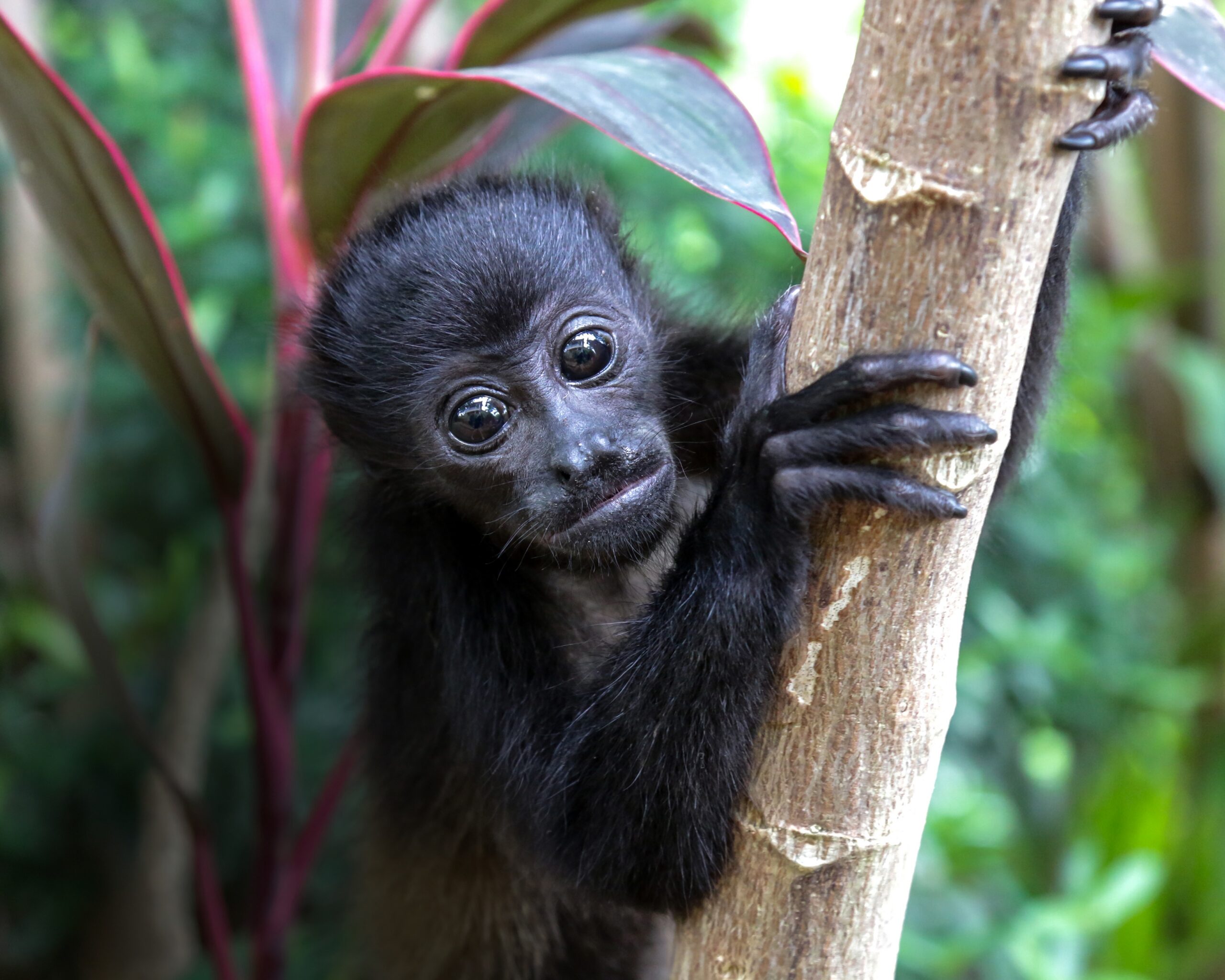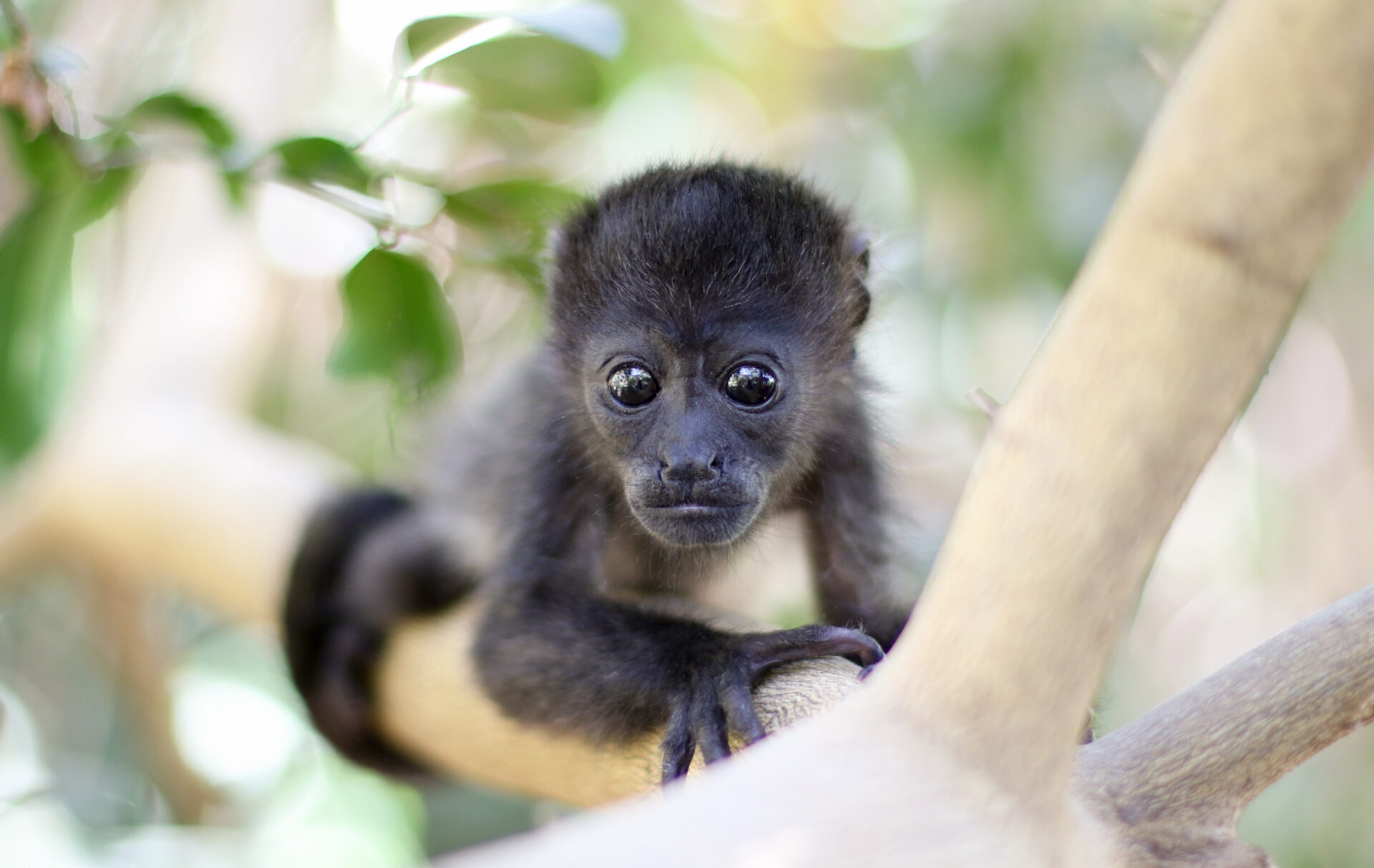
Infant Howler monkey in a tree

Howler Monkey

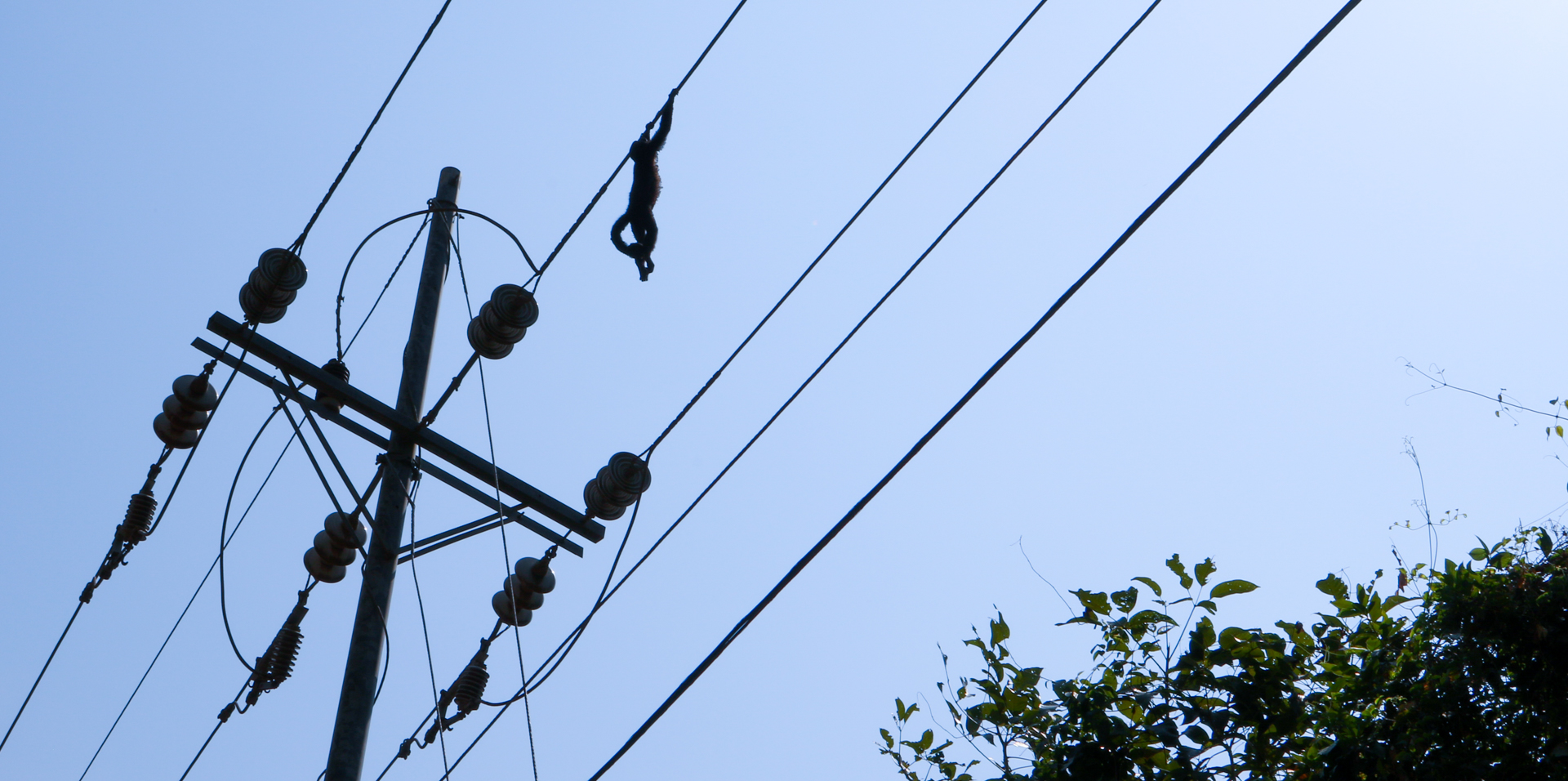
Every year hundreds of howler monkeys and other wild animals in Costa Rica are electrocuted on uninsulated power lines and transformers. In fact, electrocution is the number one killer of howler monkeys in Costa Rica.

Donate to howler monkeys

Most electrocutions occur in rural areas. Sadly, the monkeys don’t know the difference between electrical wires and natural vines and will often travel across wires to get to feeding grounds. This is a particularly serious issue in areas of deforestation where monkeys have no choice but to travel on the wires.

Most of the howler monkeys that survive electrical burns are infants that were clinging to their mothers when they were electrocuted. The mother absorbs most of the current while the babies suffer burns on their hands, tail and any other body part in direct contact with her. Some are lucky enough to escape with only minor burns.

  • 0

    Howlers in a family

    In the wild, each family group is generally made up of 15 to 20 howlers.

  • 0 s

    HOWLER MONKEYS RESCUED

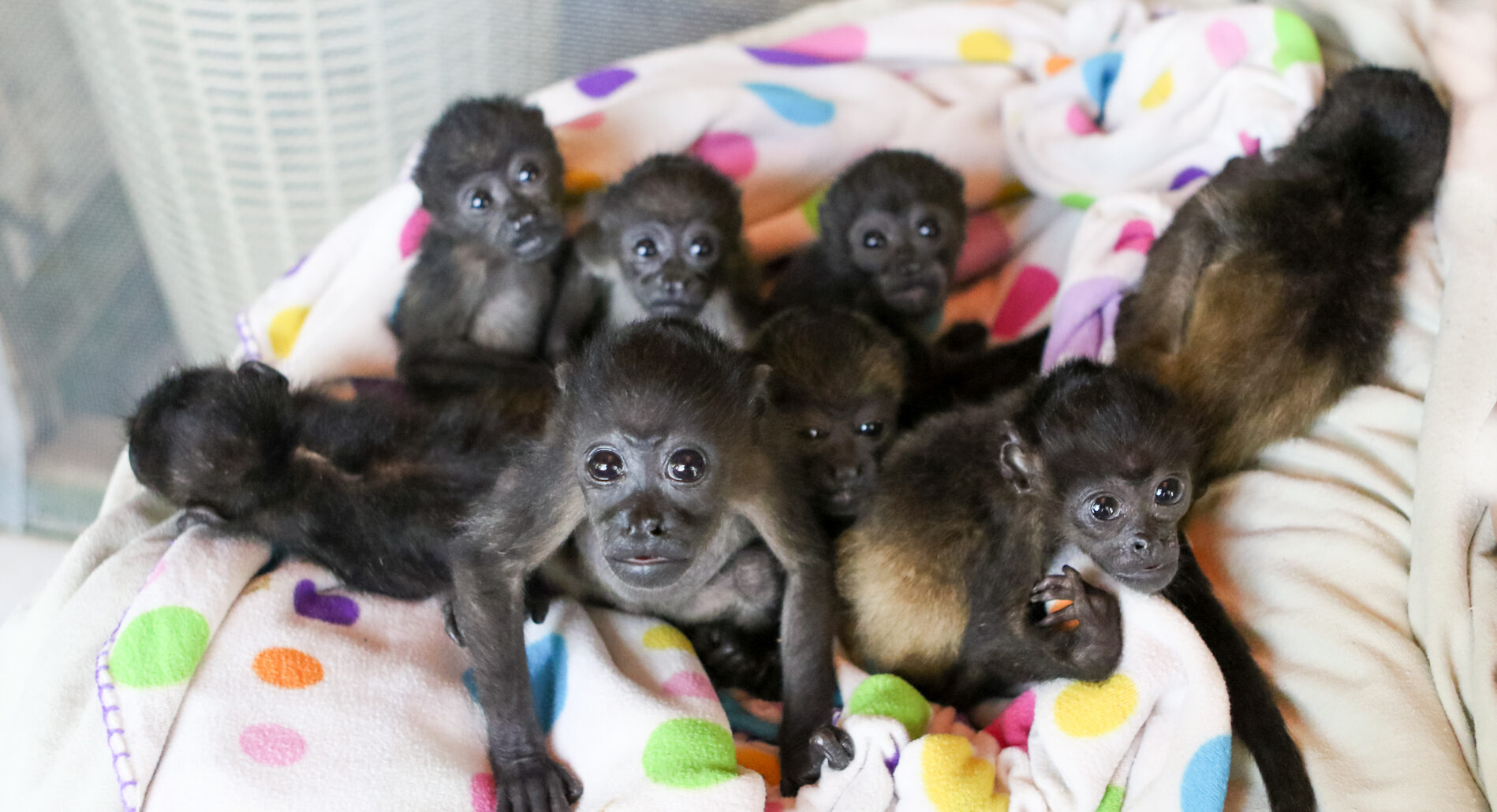
    Hundreds of orphaned howler monkeys in Costa Rica rescued and given a future in the wild.

  • 0 dB

    Howler monkey howl reaches

    A howler monkey's howl can reach up to 140 decibels

Play video group of howler monkeys

Saving Howler Monkeys

Our work in Costa Rica is dedicated to the rescue, rehabilitation, and release of native wildlife – particularly howler monkeys – that have been injured or orphaned due to threats like dog attacks, vehicle collisions, and most critically, electrocutions from uninsulated power lines.
Read more

Our Howler Monkey Conservation Work

Despite the introduction of a national decree in 2024 to prevent electrocutions, implementation has been minimal. We are also campaigning to demand urgent government and utility company action to insulate power lines and protect Costa Rica’s iconic wildlife from needless suffering and death.

More Costa Rica Stories