

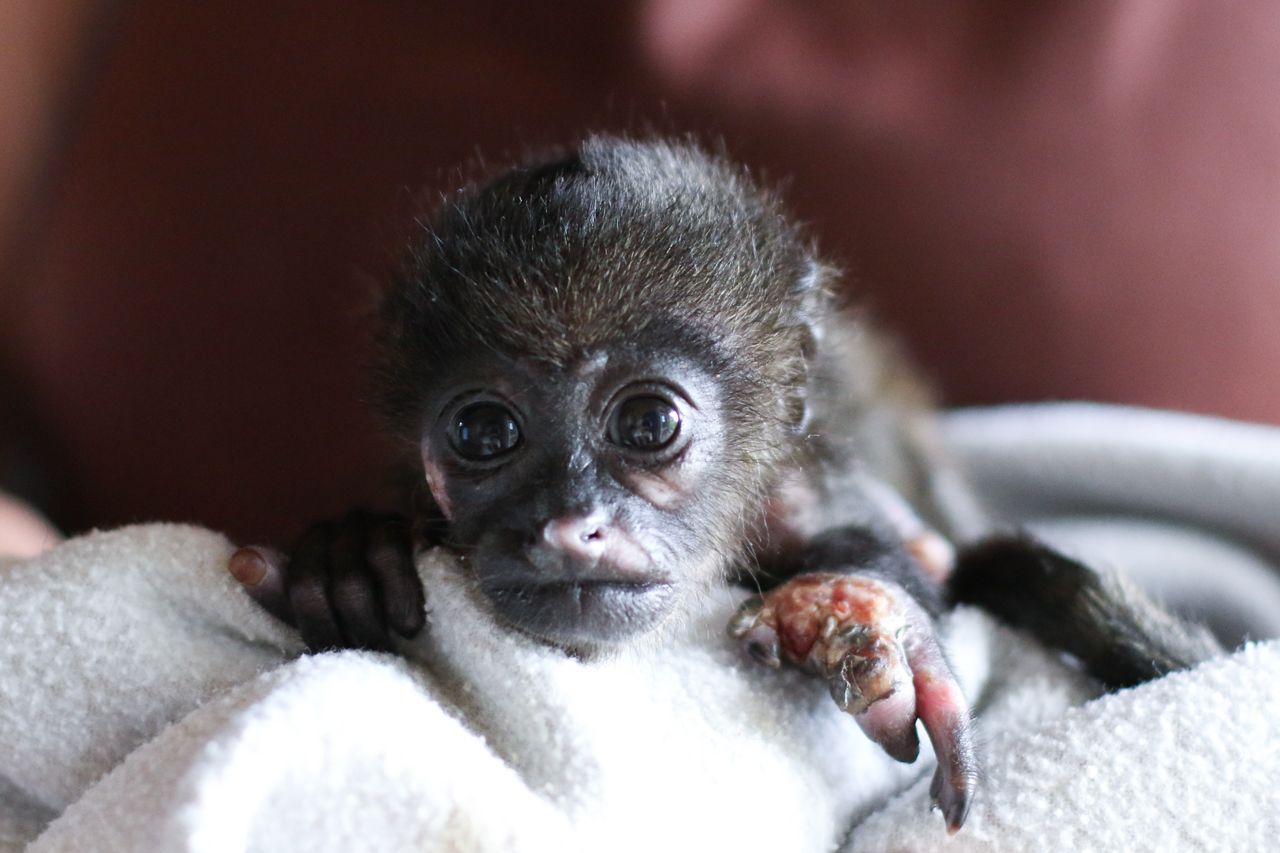
Success Story – Meet Esmeralda
Orphaned and badly burned after her mother was electrocuted, baby howler Esmeralda faced a poor prognosis.
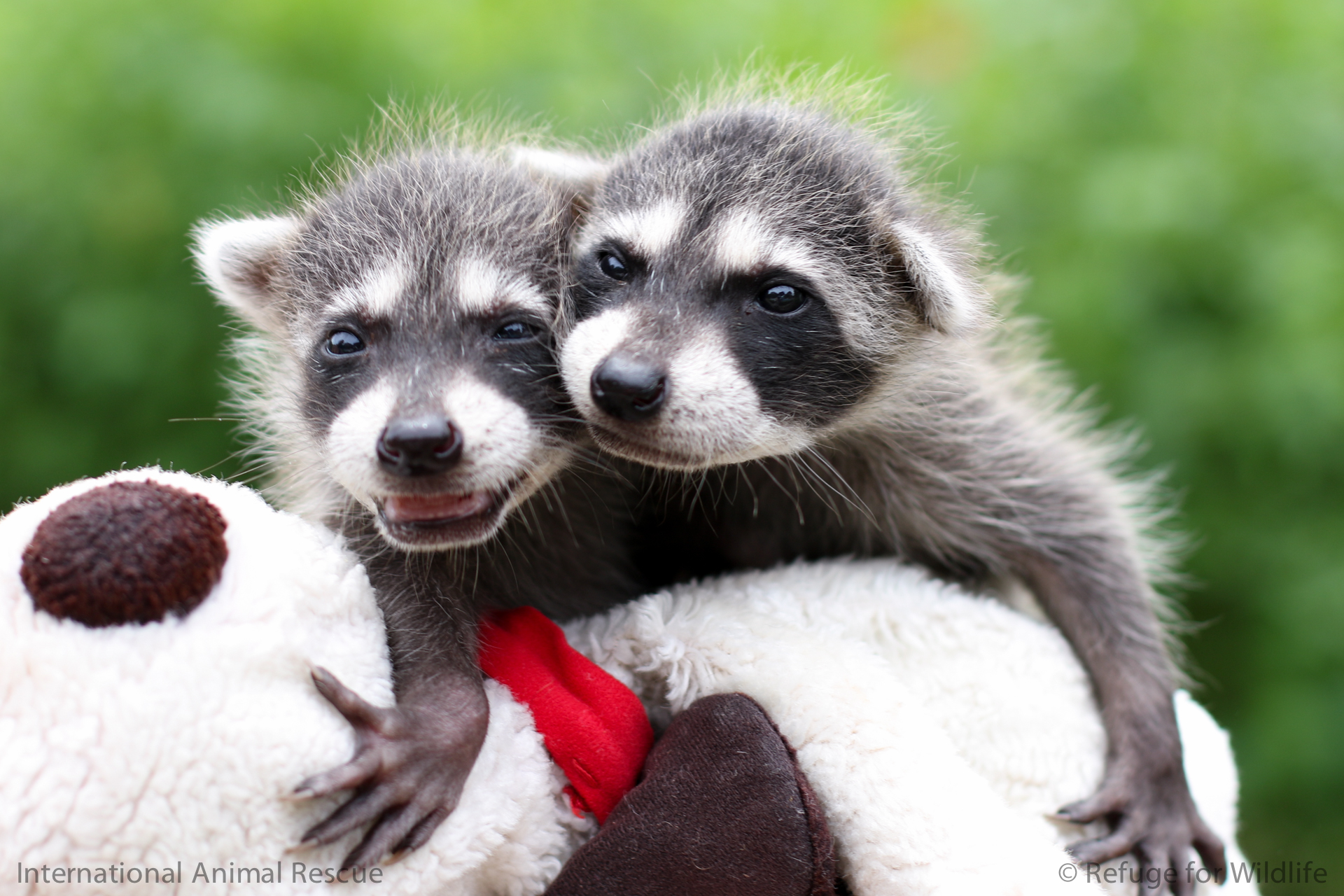
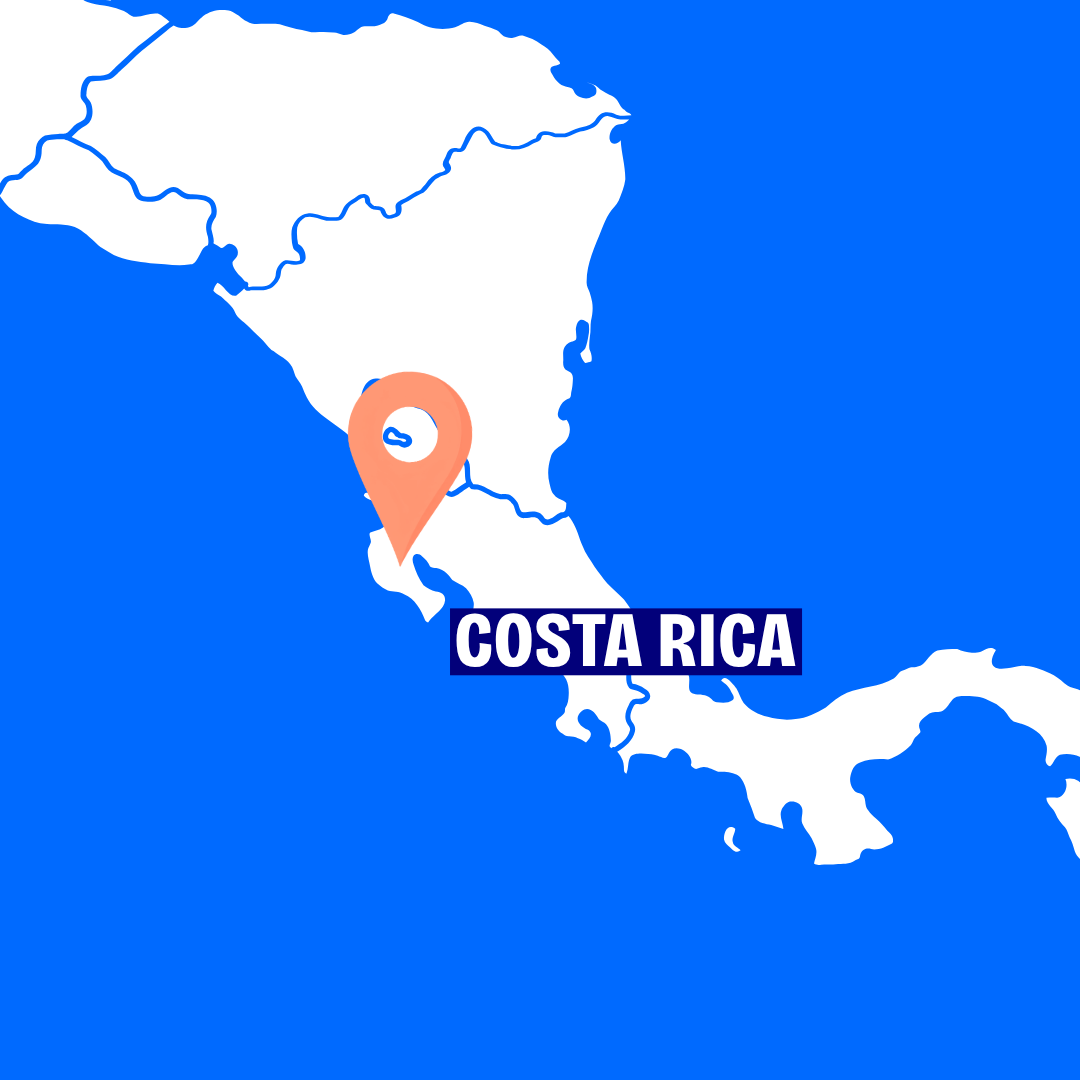
At our Wildlife Rescue Centre in Nosara, on Costa Rica’s Pacific West Coast, we give injured and orphaned animals a second chance at life. From tiny, vulnerable howler monkeys to endangered sea turtles, every life we save matters.
A Rapidly Changing Landscape
In areas of Costa Rica, rapid economic development and a substantial increase in tourism has disrupted the connectivity of the landscape through land degradation and habitat fragmentation, which poses a serious threat to wildlife.
Human-Wildlife Conflict
Over the last decade, we have seen a persistent year-on-year increase in animals arriving at our centre in need of care. Their injuries can be due to electrocutions on uninsulated power lines, domestic animal attacks, vehicle collisions or wildfires. Added to this, many exotic species arrive in our care after being trafficked through the illegal wildlife trade.
Giving Wildlife a Second Chance
At our Wildlife Rescue and Education Centre in Nosara, on Costa Rica’s Pacific West Coast, we give injured and orphaned animals a second chance at life. From tiny, vulnerable howler monkeys to endangered sea turtles, every life we save matters.
Our work follows three vital steps:
Our 24-hour wildlife emergency hotline means help is always available. Our trained rescue team uses specialist equipment and expertise to reach animals in danger and give them the urgent care they need.
Our veterinary team and dedicated volunteers provide immediate and ongoing care. Many of our patients require specialist treatment, intensive care and lengthy rehabilitation. We also help them rebuild the strength, skills and confidence they need to survive in the wild.
For every animal that can return to the wild, that is our goal. Once they are fully recovered and ready, we release them into carefully selected, heavily forested areas away from threats such as deforestation, dangerous power lines, roads and domestic animals.
Not every animal can return to the wild. For those whose injuries or historical trauma make release impossible, our sanctuary provides a safe, nurturing home for life. Here, they receive the care, comfort and protection they need to thrive.
THE BIGGEST PROBLEM: POWER LINES
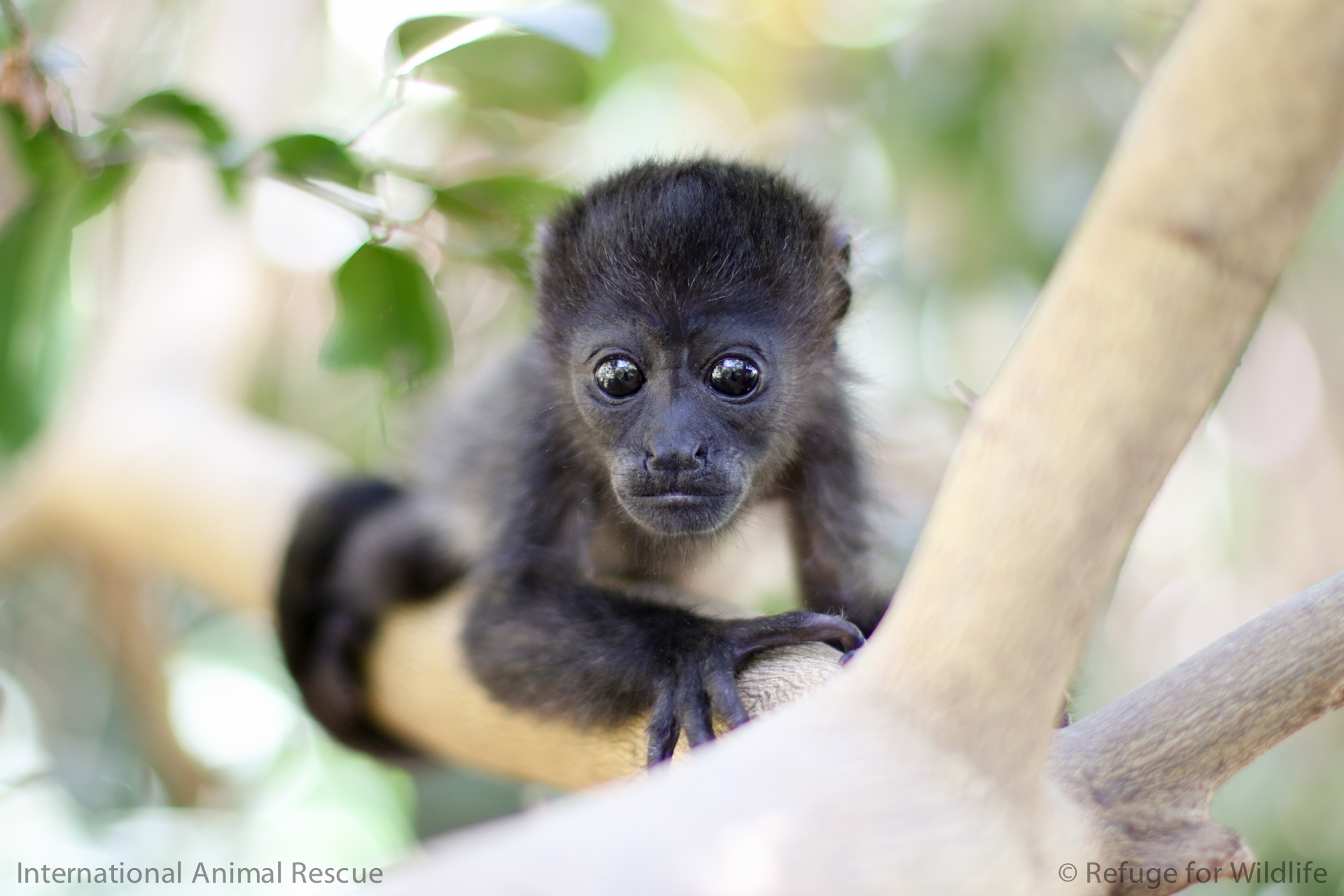
Uninsulated power cables are one of the biggest threats. Every day, our rescue centre receives wildlife, primarily howler monkeys, suffering severe, often fatal burns after mistaking these deadly cables for tree branches while navigating their fragmented habitats. The injuries we see are heartbreaking.
The Devastating Cost of Uninsulated Cables
Most of the howler monkeys that survive electrical burns are infants that were clinging to their mothers when they were electrocuted. The mother absorbs most of the current while the babies suffer burns on their hands, tail and any other body part in direct contact with her. Some are lucky enough to escape with only minor burns.
For the babies that do survive, rehabilitation is essential to help them learn the skills they lost the chance to learn. Orphans can be successfully released back into the wild as part of a troop after completing a long and careful rehabilitation program.
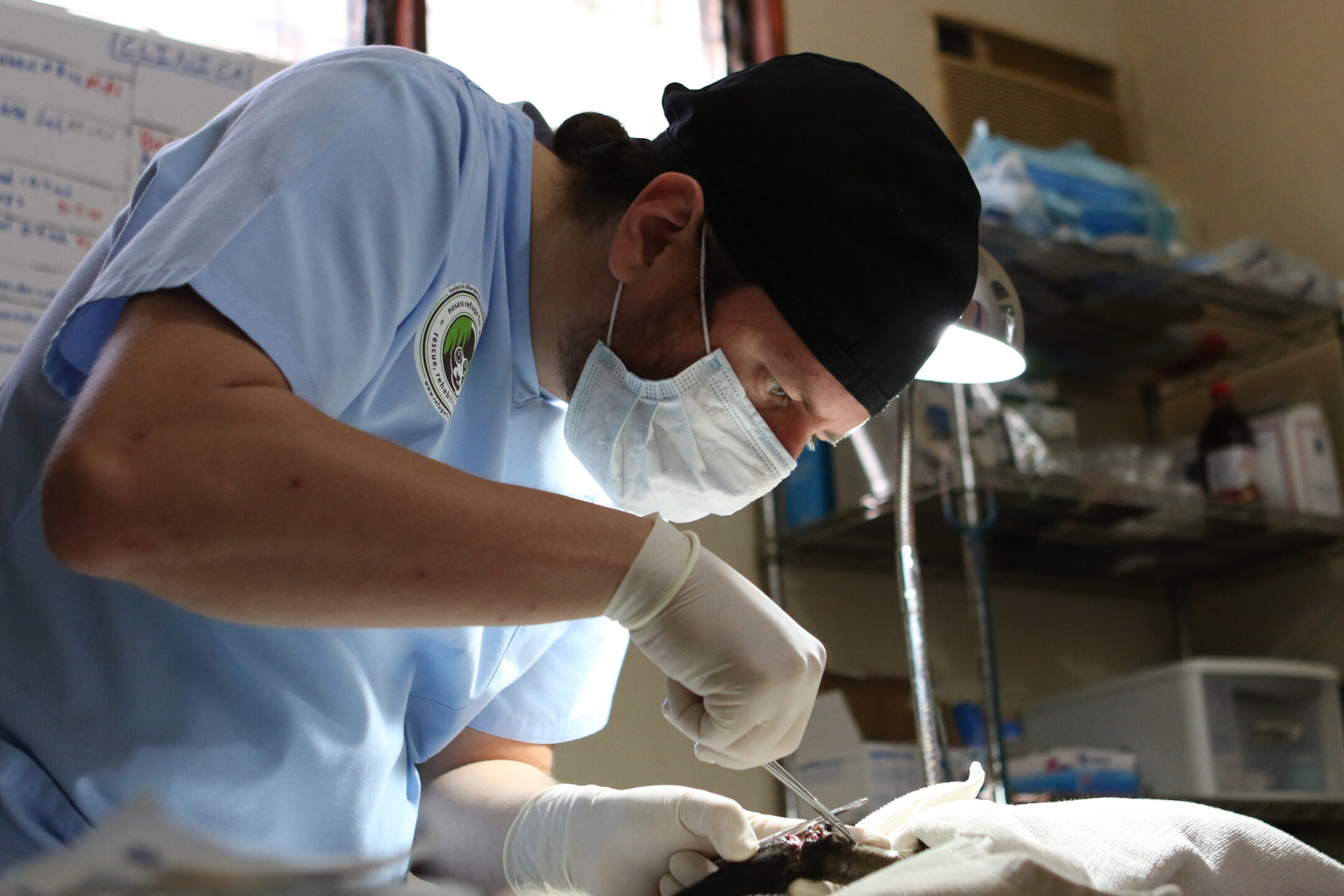 Expert veterinary care
 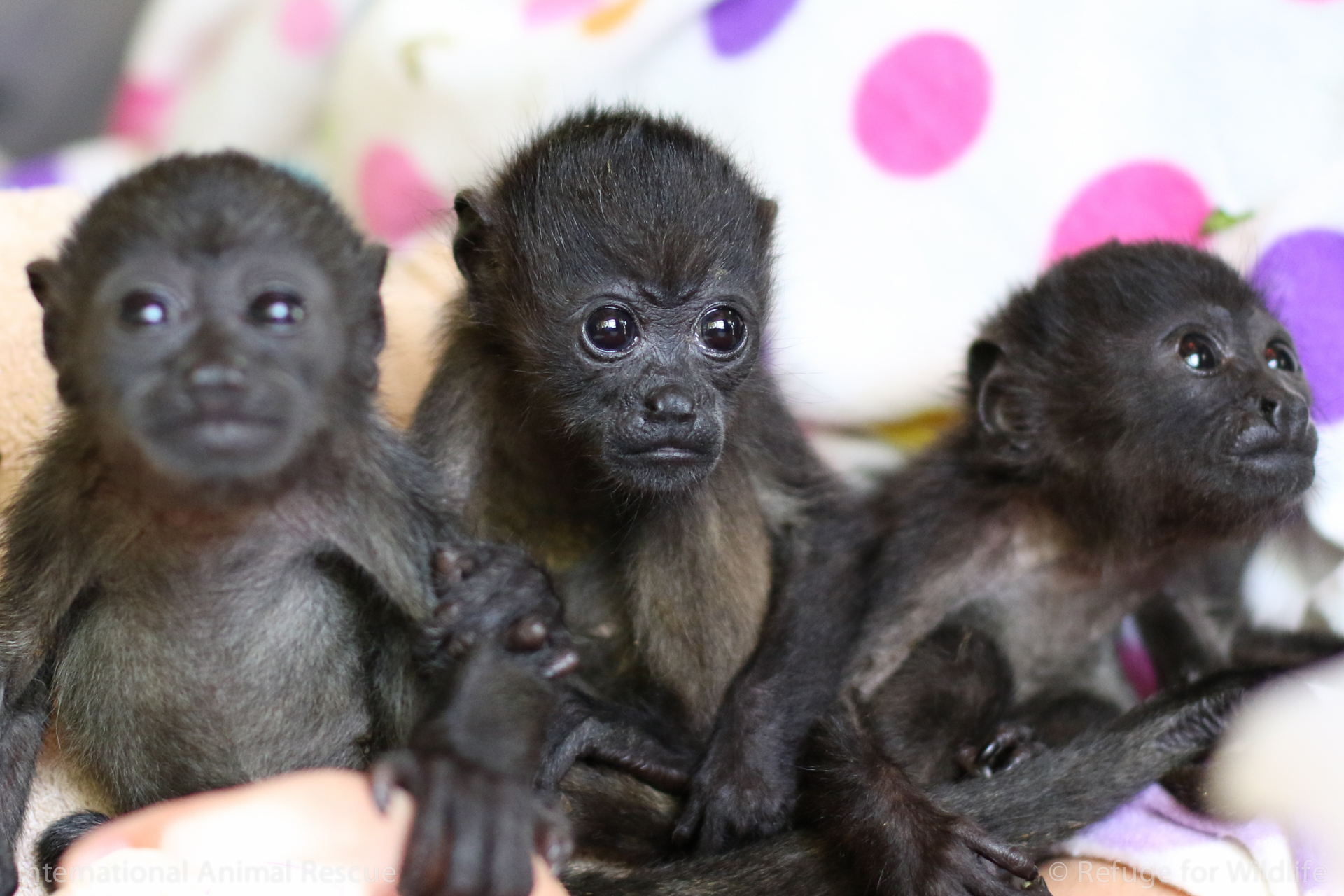 Extensive rehabilitation
 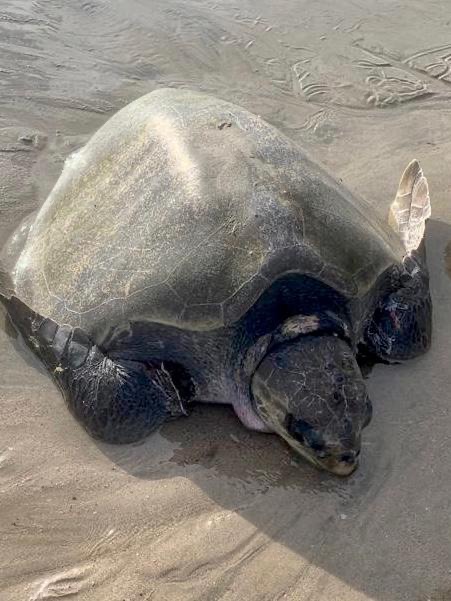 Return to the wild
 Hundreds of orphaned howler monkeys in Costa Rica rescued and given a future in the wild.
From opossums to scarlet macaws, our Costa Rica centre rescues and releases hundreds of animals every year.
A howler monkey's howl can reach up to 140 decibels
Orphaned and badly burned after her mother was electrocuted, baby howler Esmeralda faced a poor prognosis.
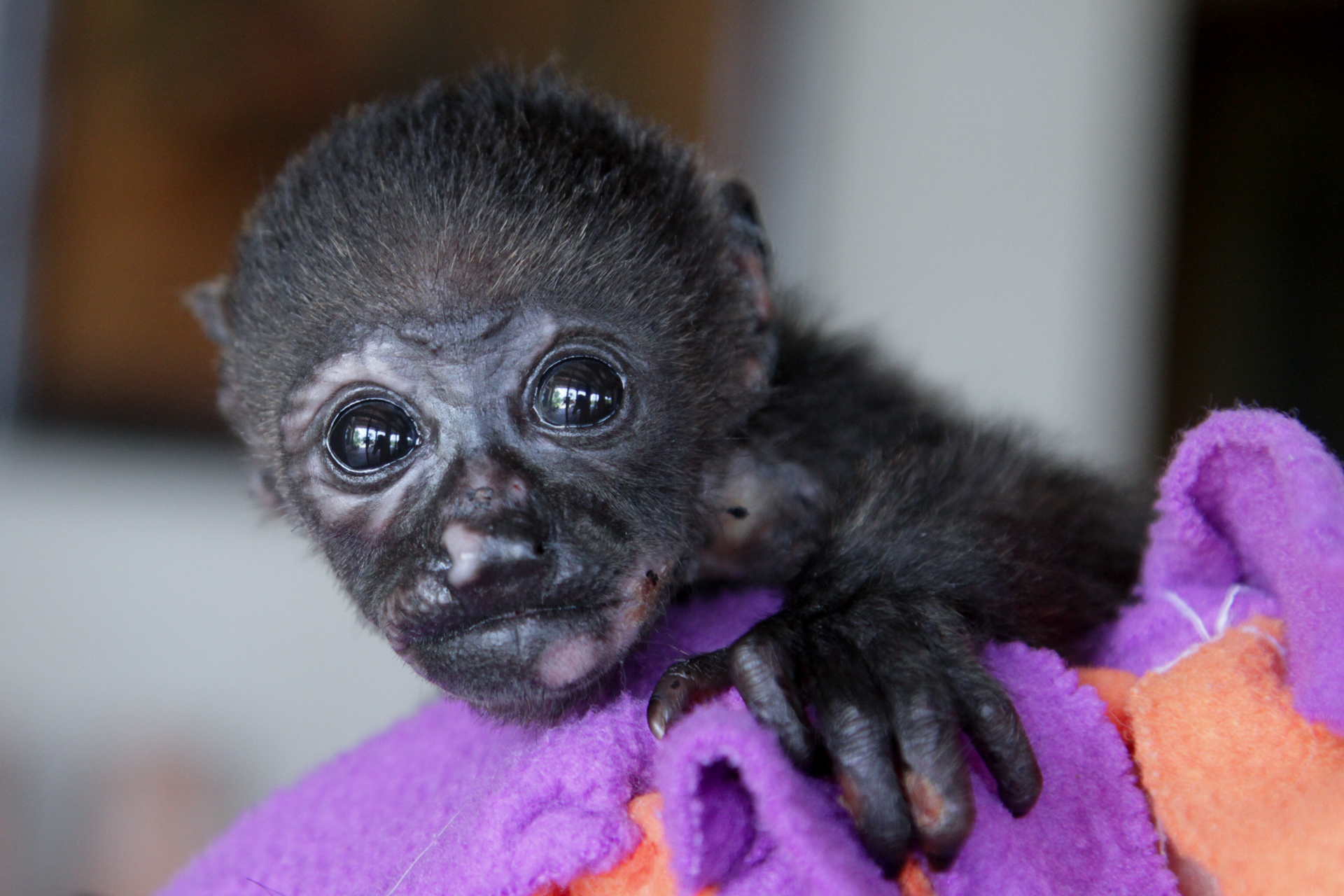
In Costa Rica’s Pacific coastal region, where economic development is outpacing infrastructure, a wild animal is electrocuted every day.
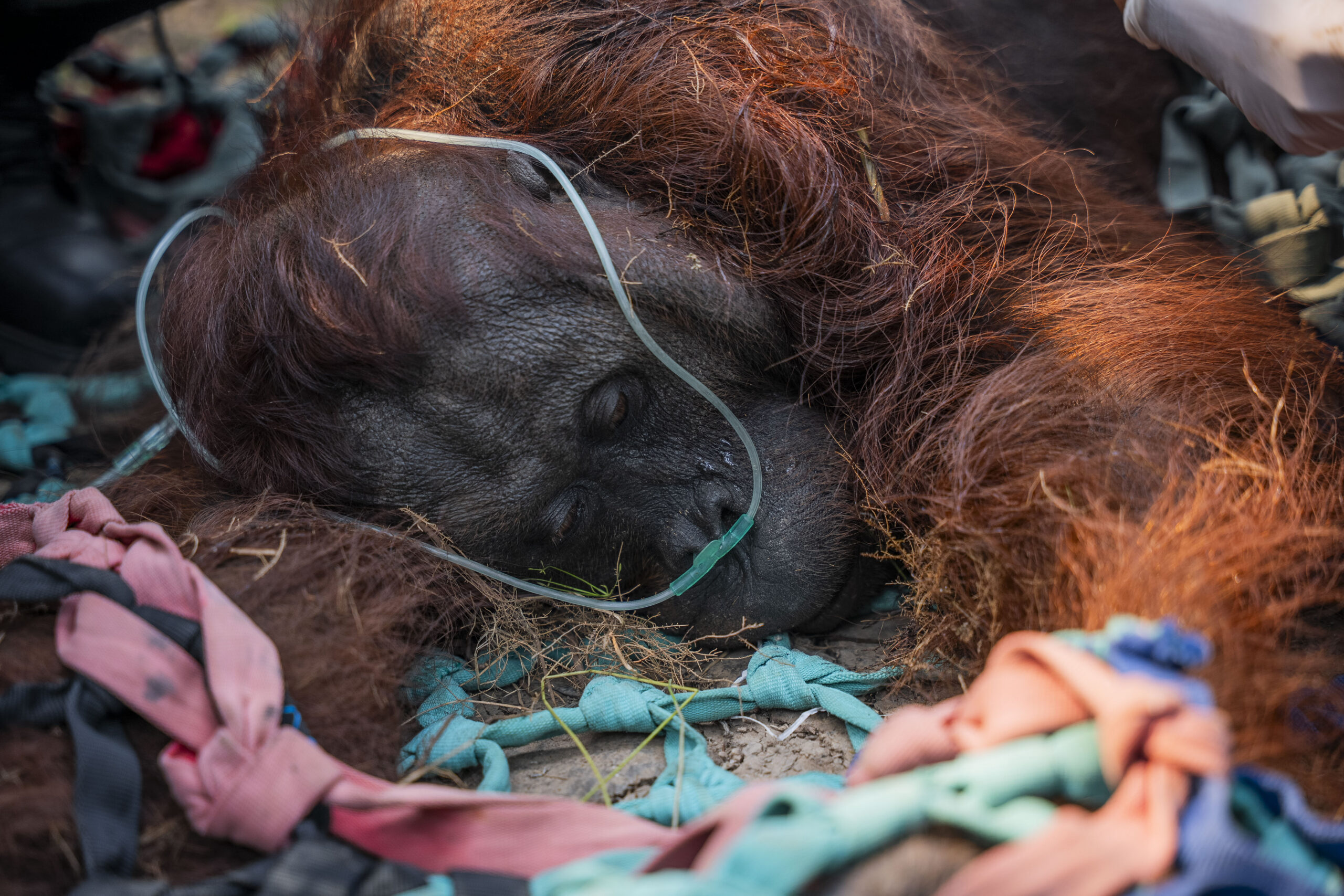
As forest fires rage across Indonesia, our partners remain on high alert. YIARI urgently needs firefighting equipment, personnel, and veterinary support to keep responding.