Climate experts warn that the weather pattern known as El Niño could drive extreme weather and record-breaking temperatures in 2026.
At International Animal Rescue, we are already seeing early warning signs on the frontlines in Indonesia, one of the countries most vulnerable to El Niño. Our partners, YIARI, are taking urgent action to protect wildlife and fragile habitats at risk.
But what exactly is El Niño — and why does it pose such a serious threat to wildlife and ecosystems?
In this guide, we explain:
- What El Niño is and how it affects global weather
- What a “Super El Niño” means
- How El Niño impacts wildlife and habitats
- What is being done to protect endangered species
What Is El Niño and why does it occur?
El Niño is a natural climate pattern caused by unusually warm sea surface temperatures in the central and eastern Pacific Ocean. It typically occurs every few years and disrupts normal wind patterns, weakening trade winds and shifting weather systems around the world.
These changes can trigger extreme weather, including:
- Prolonged droughts in some regions
- Intense rainfall and flooding in others
- Rising global temperatures
Forecast models from National Centers for Environmental Prediction (NCEP) suggest that strong El Niño conditions will develop in 2026 and persist throughout the year.
How Does El Niño Affect Weather Patterns?
No two El Niño events are identical, but their impacts follow recognisable patterns.
Regions closest to the western Pacific, such as Indonesia, often experience significantly drier conditions. This increases the risk of drought, wildfires, and widespread environmental damage.
In contrast, parts of South America and the southern United States may see heavier rainfall, storms and flooding.
What Is a “Super El Niño”?
A “Super El Niño” refers to an unusually strong event, where ocean temperatures rise at least 2°C above average. These extreme events can intensify climate impacts worldwide, leading to more severe droughts, fires, floods, and ecosystem disruption.
Early indicators suggest the upcoming El Niño could become particularly strong — raising concerns about widespread environmental damage.
How Does El Niño Affect Wildlife and Habitats?
El Niño can have devastating consequences for wildlife by disrupting ecosystems and intensifying extreme weather.
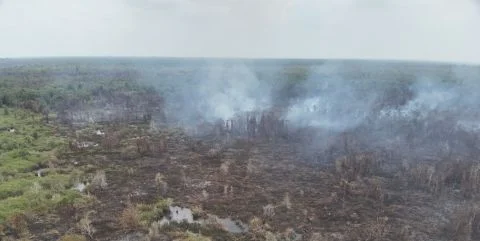
In Indonesia, prolonged drought dries out peatlands and forests, turning them into highly flammable landscapes. When fires take hold, they spread rapidly, destroying vast areas of habitat.
For species like orangutans, the effects are severe. With their habitat gone, food becomes scarce. Many face starvation or are forced closer to human settlements in a desperate search for survival, putting them at risk of conflict and injury.
A Real-Life Impact: Orangutans in Crisis
During the 2015–2016 El Niño, catastrophic fires swept through Borneo’s rainforests, burning millions of hectares of land and releasing toxic haze across the region.
One rescue tells the story of this crisis:
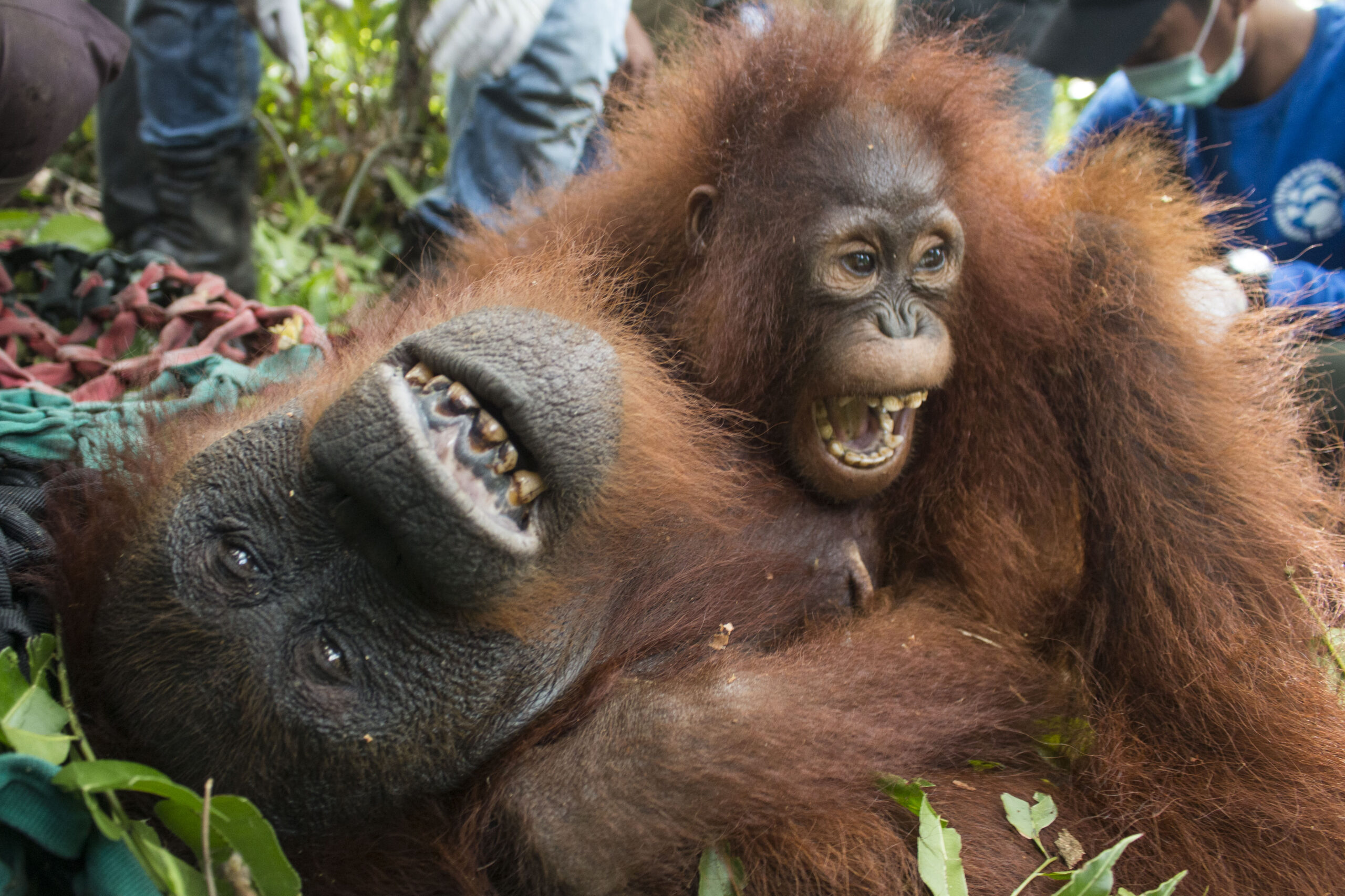
After fires destroyed their home, a mother orangutan, Mama Ris, and her baby, were forced to wander in search of food. Exhausted and disoriented, they entered a village, putting them in immediate danger.
When rescue teams found them, Mama Ris was weak but still protecting her baby. Both were safely brought to a rescue centre, rehabilitated, and later released back into protected forest.
Their story is just one of many.
What Is Being Done to Protect Wildlife from El Niño?
While El Niño cannot be prevented, its impact can be reduced through preparation and rapid response.
Together with YIARI, International Animal Rescue is:
- Increasing forest patrols in high-risk areas
- Monitoring fire hotspots
- Training and equipping community firefighting teams
- Supporting rapid-response wildlife rescue missions
Local communities play a critical role. Initiatives like Power of Mama, an all-female firefighting team, are helping protect forests and wildlife on the frontlines.
How You Can Help Protect Wildlife
With scientists warning of a powerful El Niño in 2026, urgent action is needed.
Your support can help rescue endangered wildlife, protect critical habitats and strengthen fire prevention efforts alongside local communities on the front line.