
The Problem
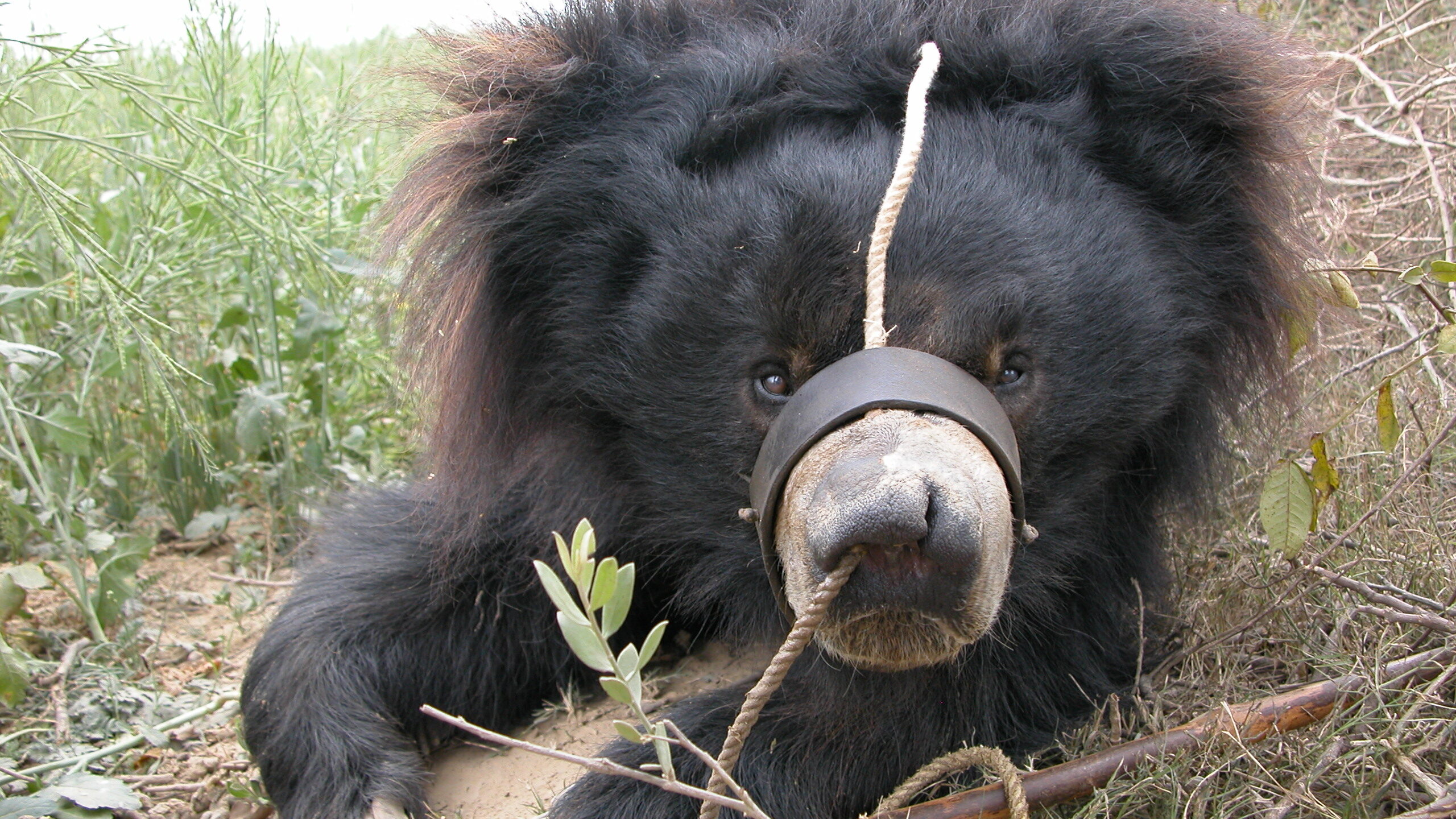
For more than 400 years, sloth bears in India were captured from the wild and forced to perform as "dancing bears" for entertainment. The practice caused immense suffering and continued for decades, even after it was outlawed under the Wildlife Protection Act of 1972. Without dedicated rescue facilities, there was nowhere for confiscated bears to go.
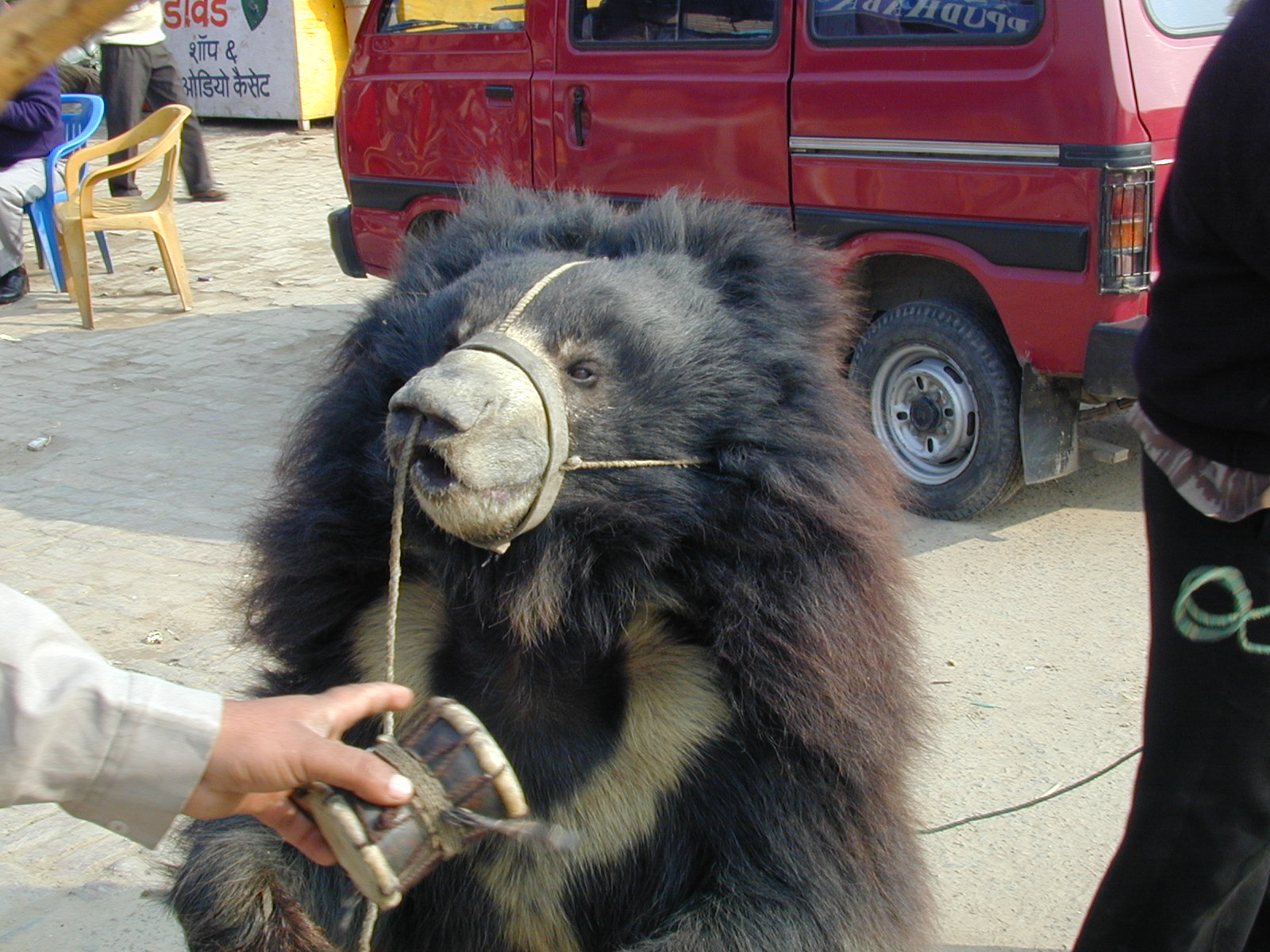 Dancing Bear on Streets of India
 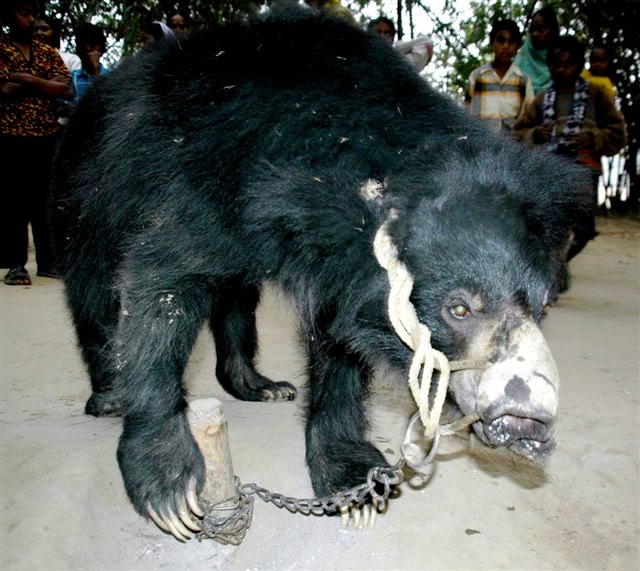 Sad 'Suman' before rescue
 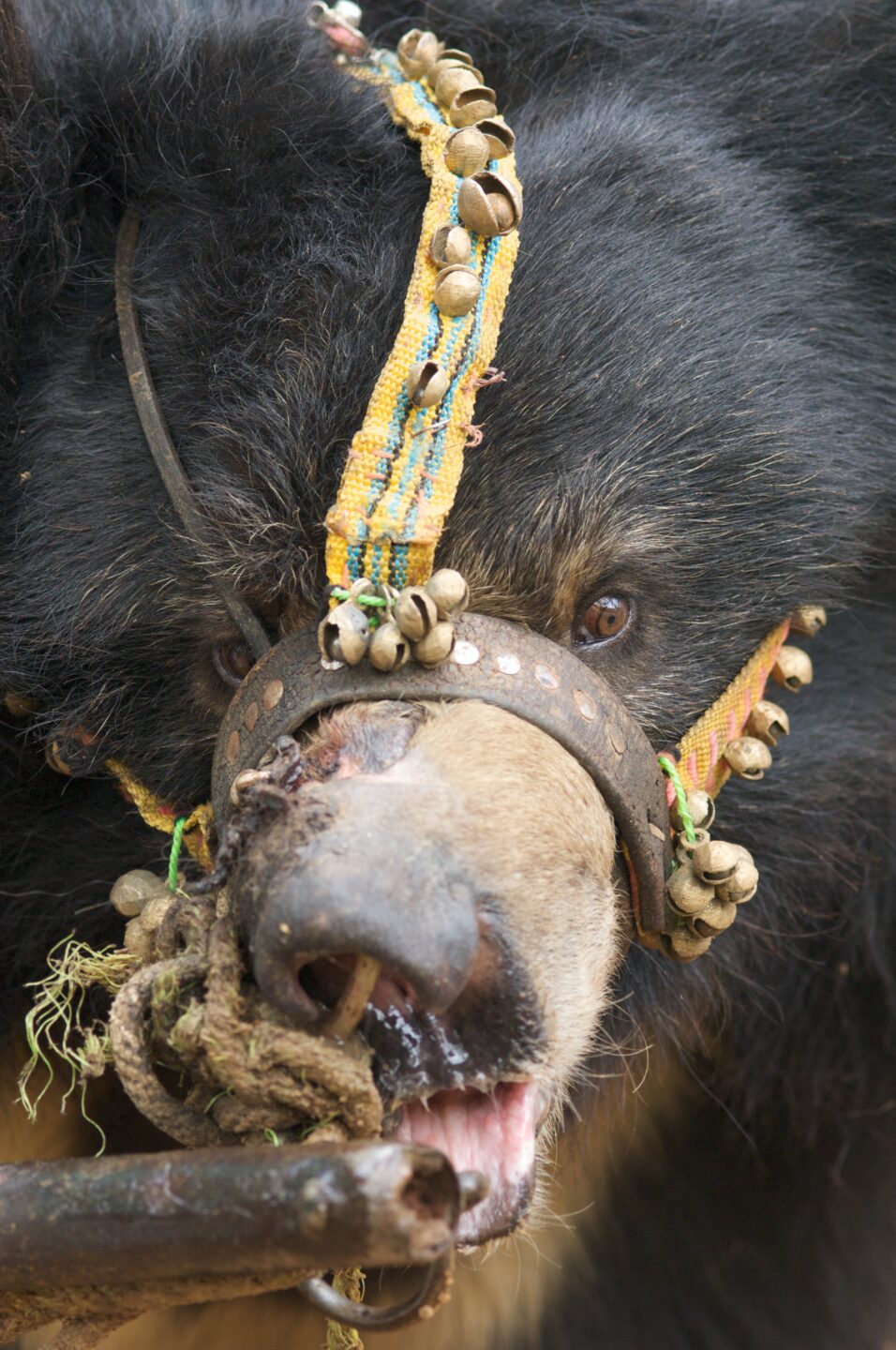 Cruel Practise of Threading Rope Through Their Nose
 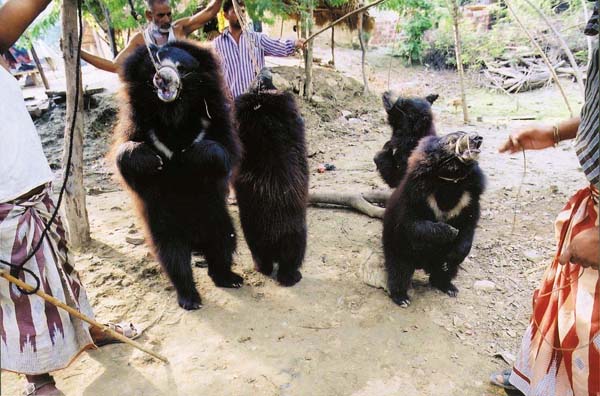 Bears 'Dancing'
 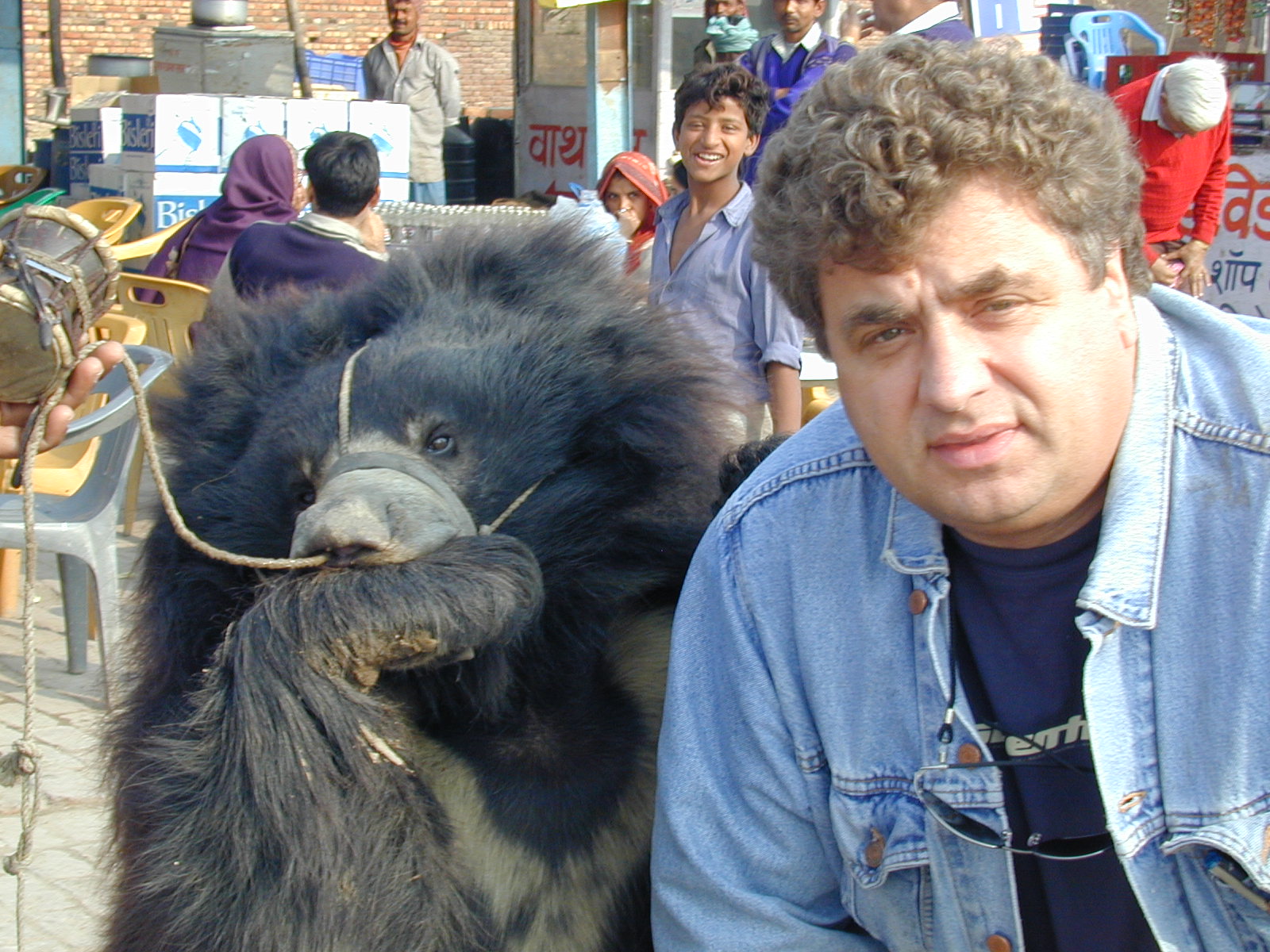 Alan Knight, President of IAR with a dancing bear
 The Solution
In 2002, working alongside our partners Wildlife SOS, we opened the Agra Bear Rescue Facility, creating the first permanent sanctuary for rescued dancing bears. We provided them with expert veterinary care, rehabilitation, and a safe home for life.
Ending the trade also meant supporting the communities who depended on it. Former bear handlers, known as the Kalandars, received training, financial support, and opportunities to build new livelihoods. Their children were also given access to education through the project, helping to break the cycle for future generations.
Ending the trade also meant supporting the communities who depended on it. Former bear handlers, known as the Kalandars, received training, financial support, and opportunities to build new livelihoods. Their children were also given access to education through the project, helping to break the cycle for future generations.
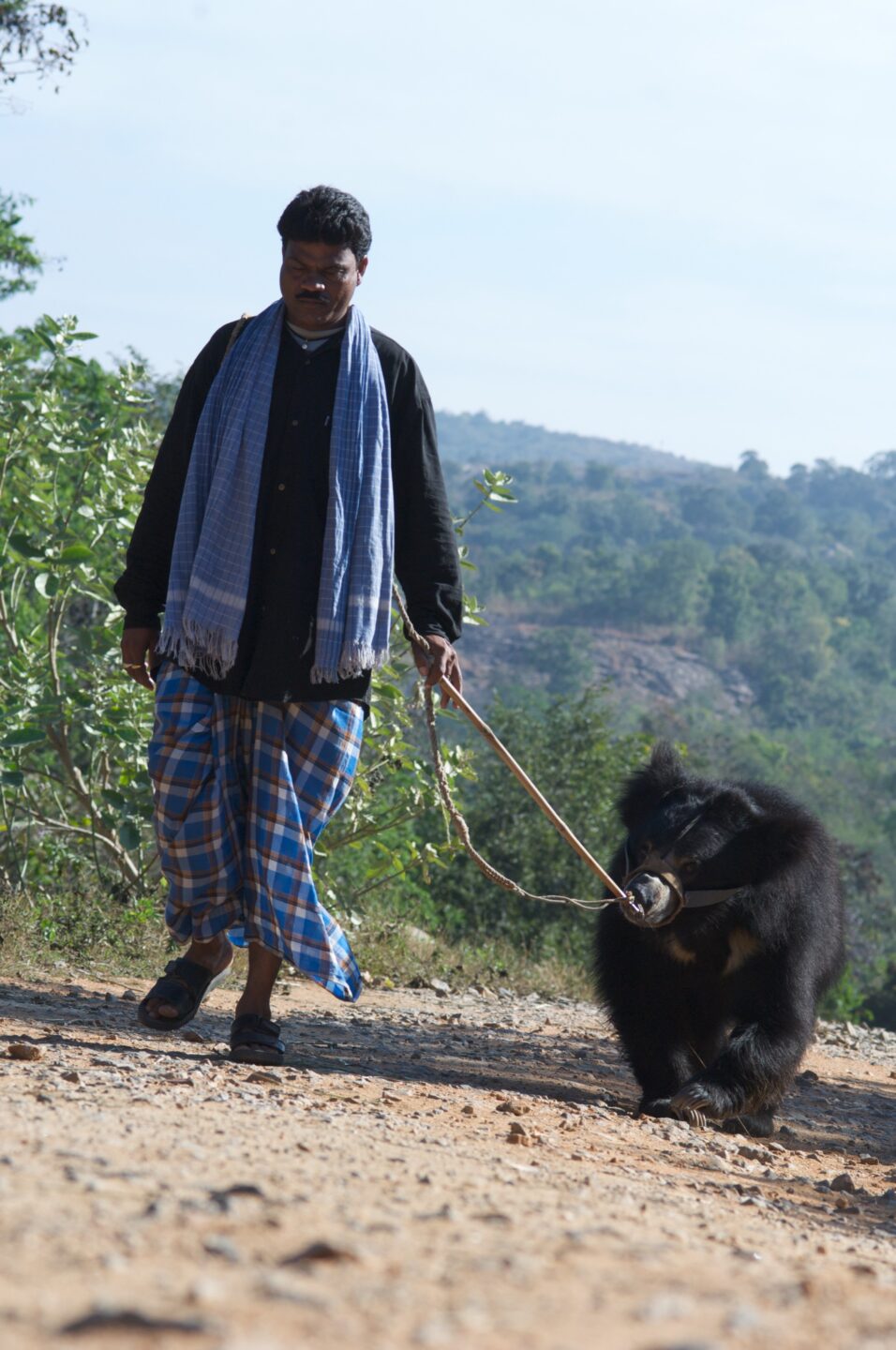 Last dancing bear 'Raju' being given up
 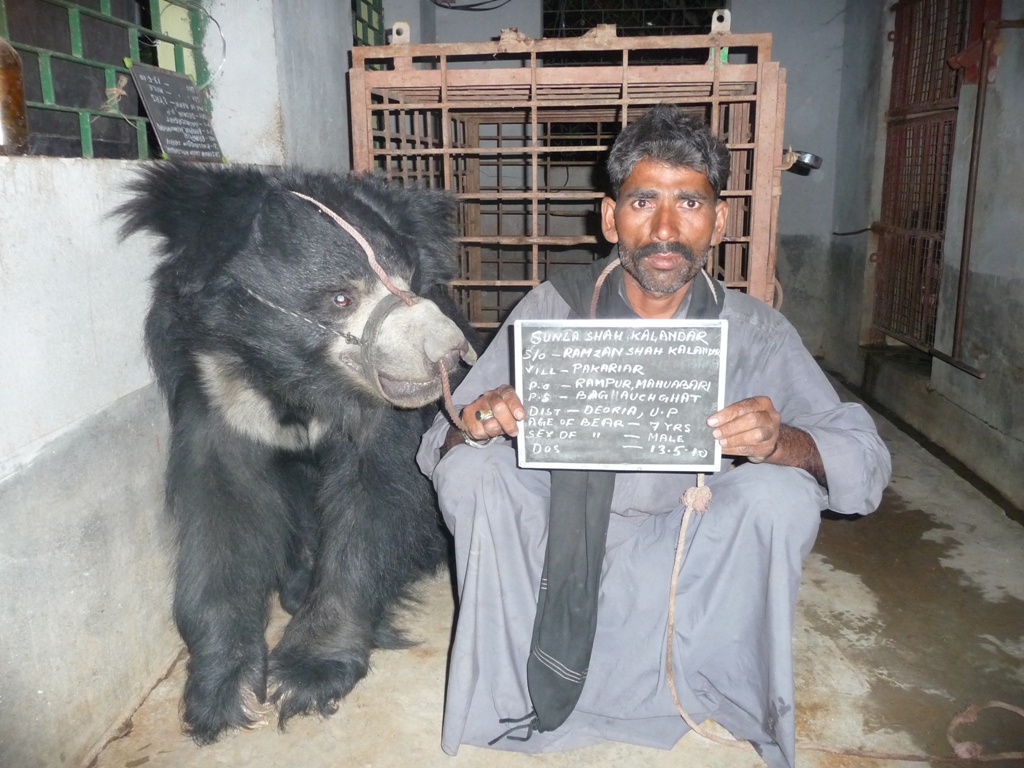 Former Bear Handler Giving Up His Bear
 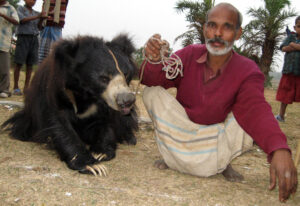 Dancing Bear with his handler
 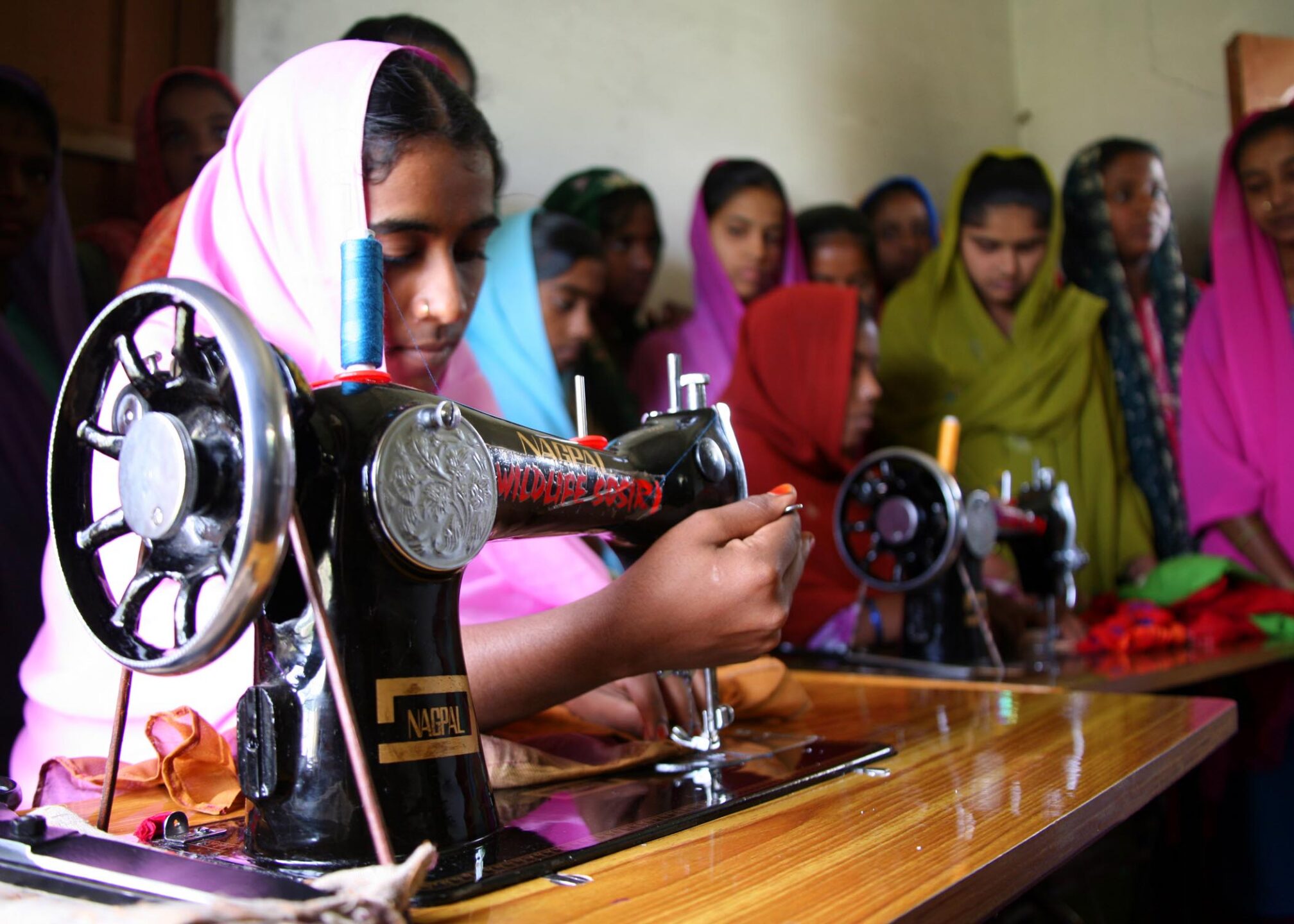 Kalandar Woman Learning to Sew
 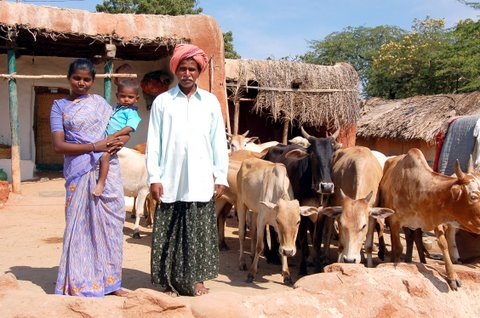 Kalandar Family helped to buy cattle
 The Impact
In 2009, one of the world's longest-running forms of animal exploitation came to an end. Together with our partners, we helped rescue more than 600 dancing bears, all of whom now live in the care of dedicated sanctuaries across India. The project transformed the lives of hundreds of bears who had lived lives of cruelty, degradation and neglect.
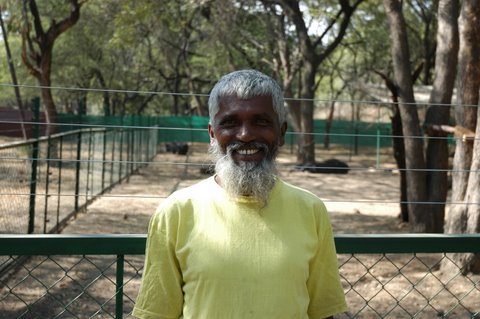 Former 'owner' now works for WildlifeSOS as a care giver
 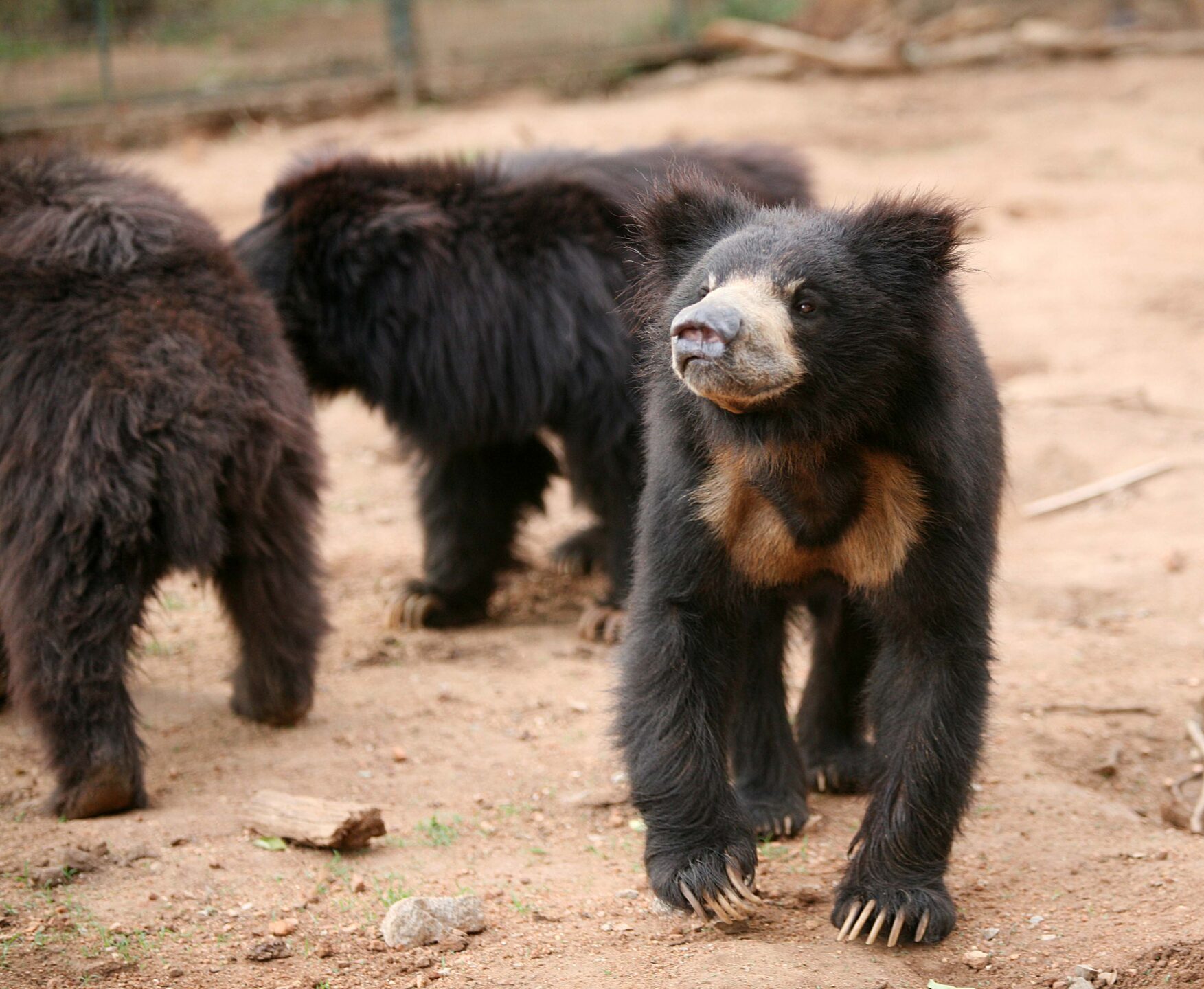 Rescued sloth bears living their lives in peace and safety
 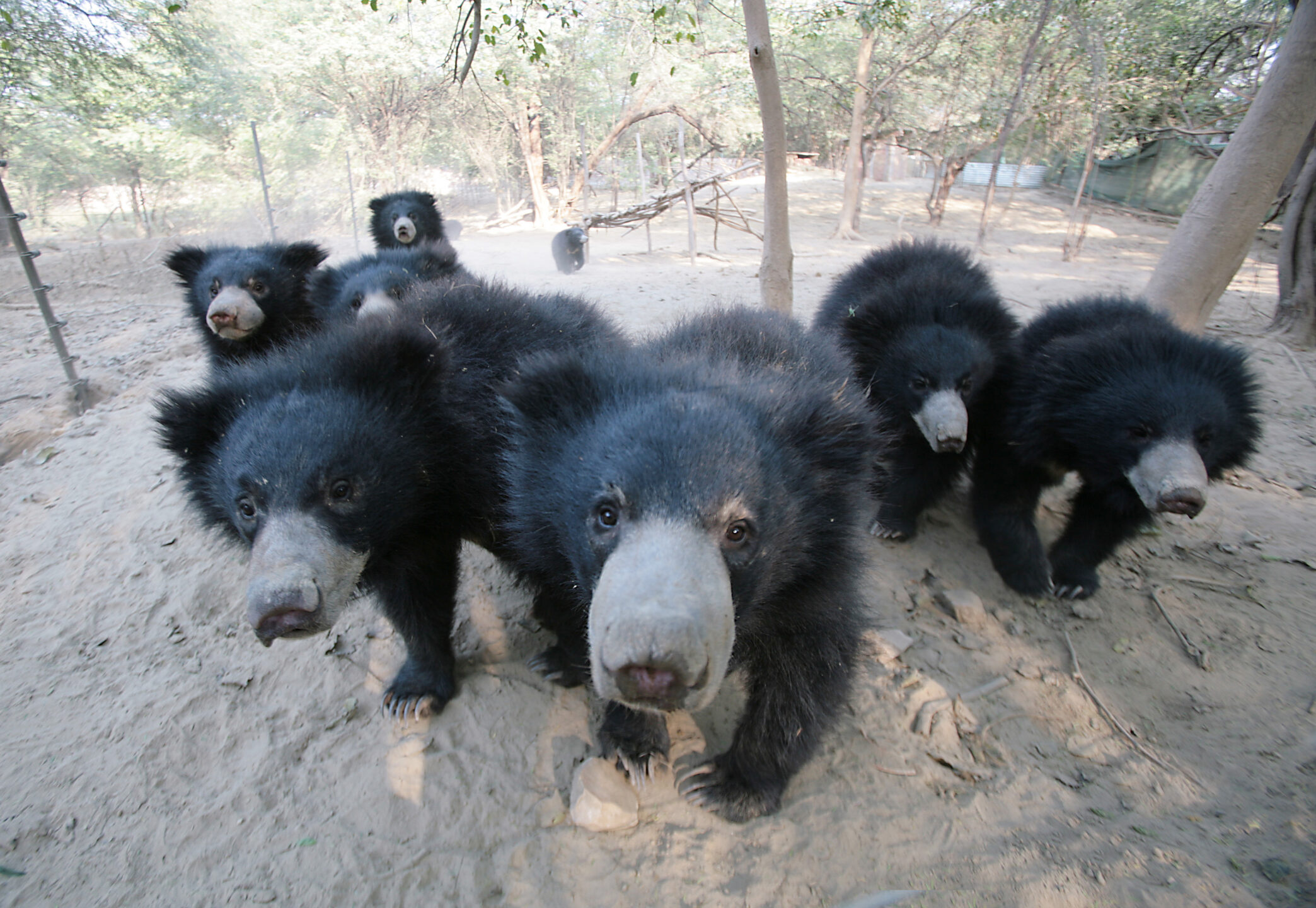 Sloth bears are social creatures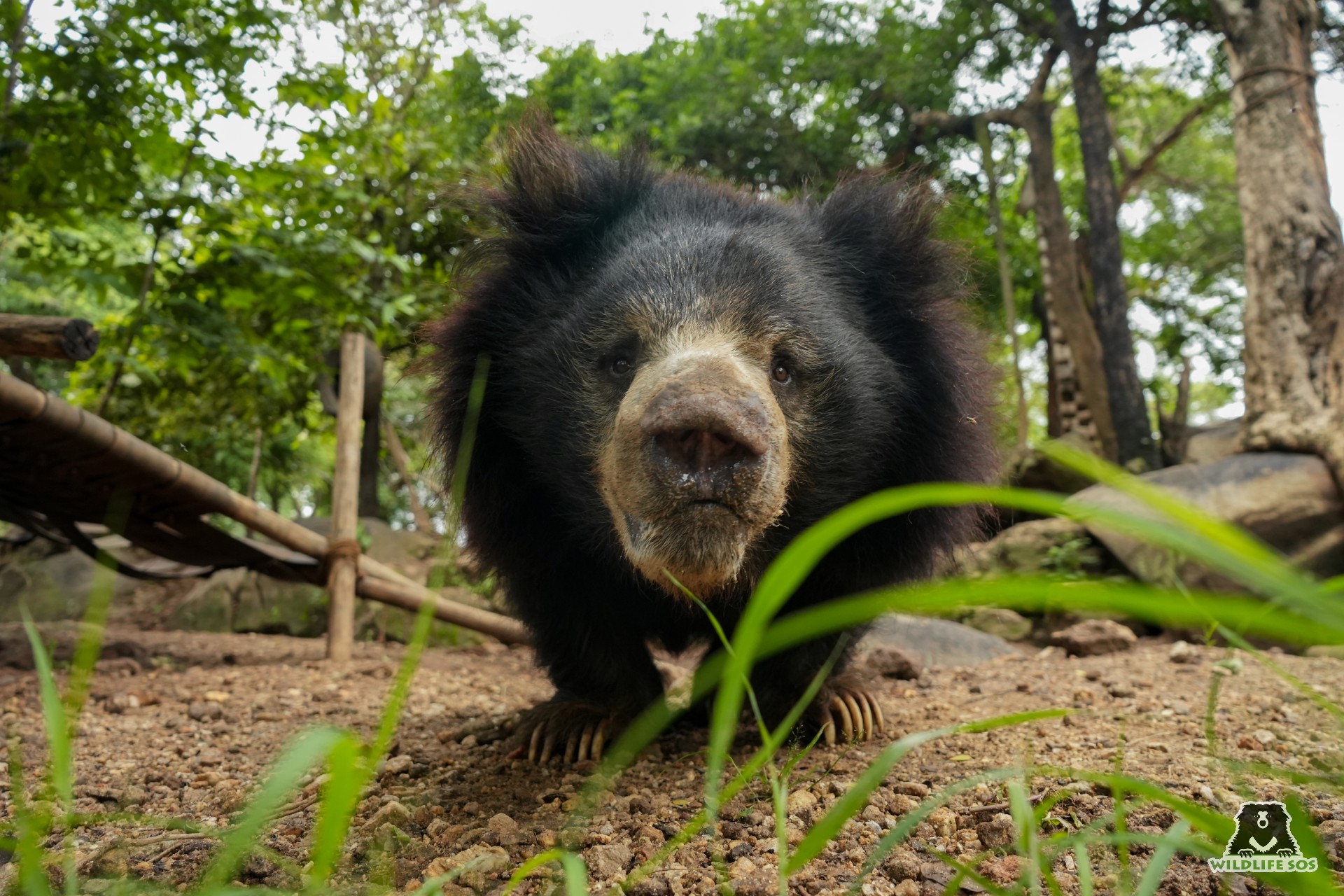
Care for Bears who have suffered so Much
Over 200 bears are still being cared for by our partners, WildlifeSOS in India. Your gift can help them recover from the trauma of their past.
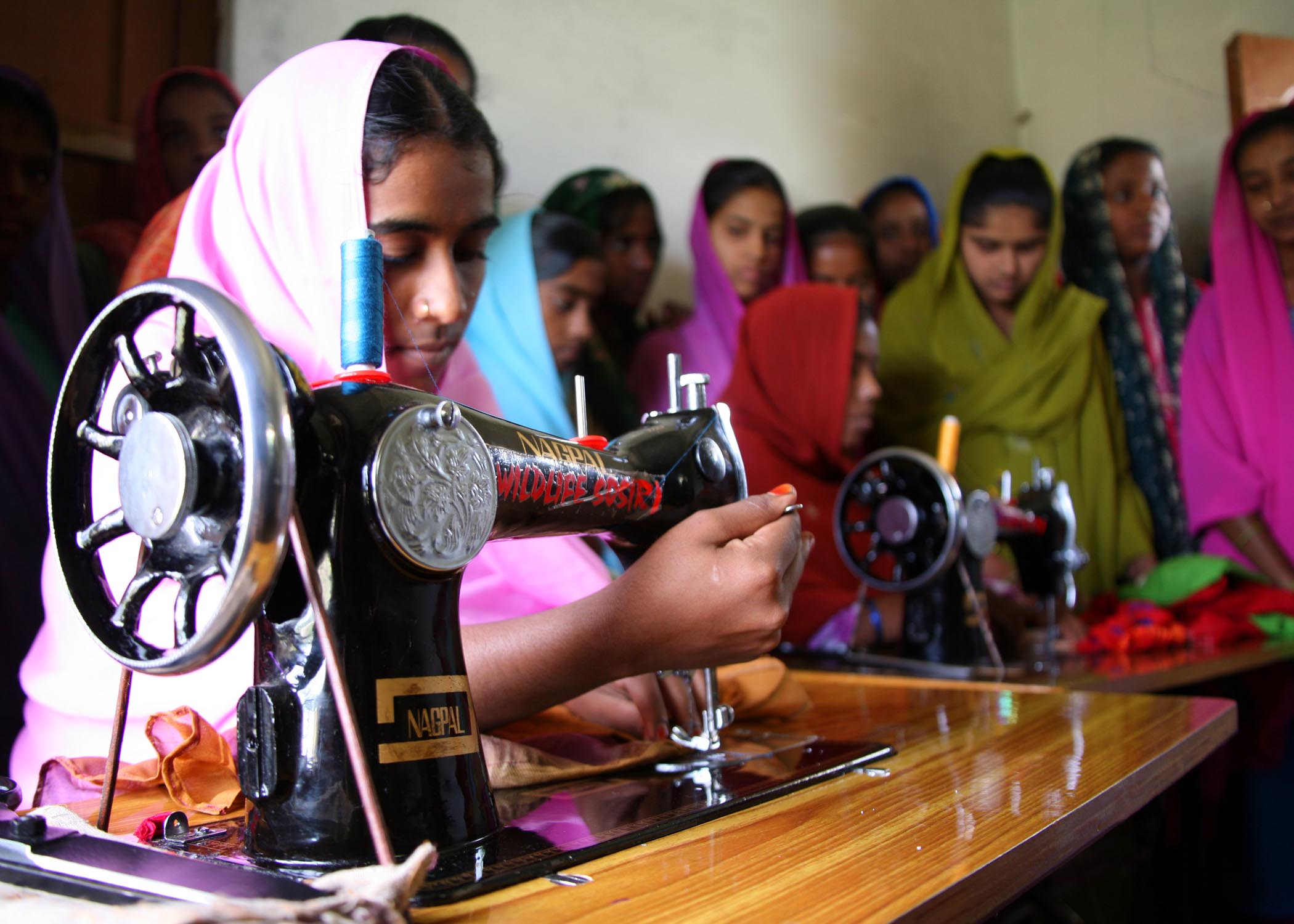
Helping the Kalandars Survive
Ending the cruel tradition of dancing bears meant that the Kalandar tribe had to give up their livelihoods. To create sustainable change part of the solution had to be to work with them to provide them with alternative livelihoods.