

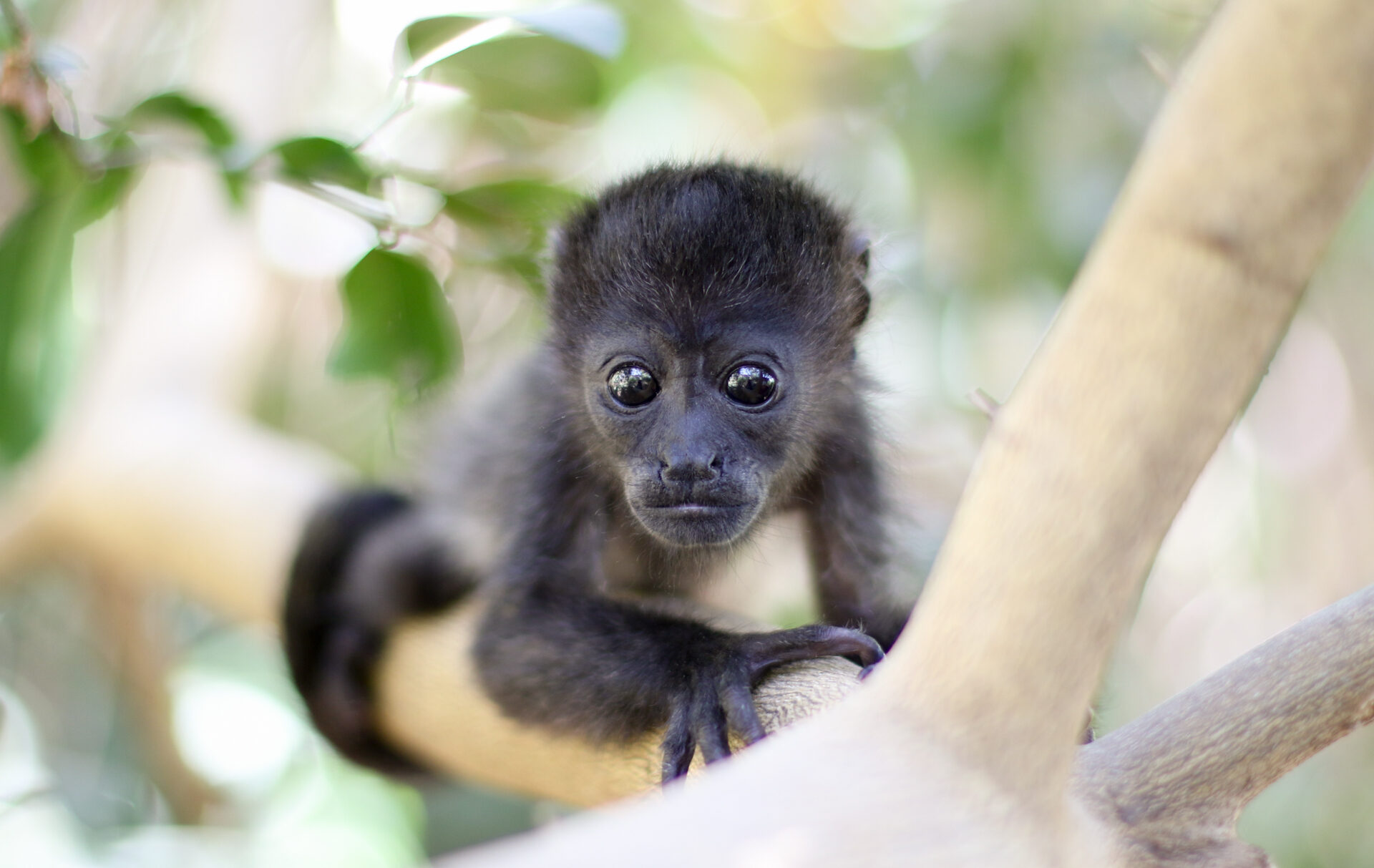
Howler Monkeys
Every year hundreds of howler monkeys are electrocuted on uninsulated power lines and transformers in Costa Rica.
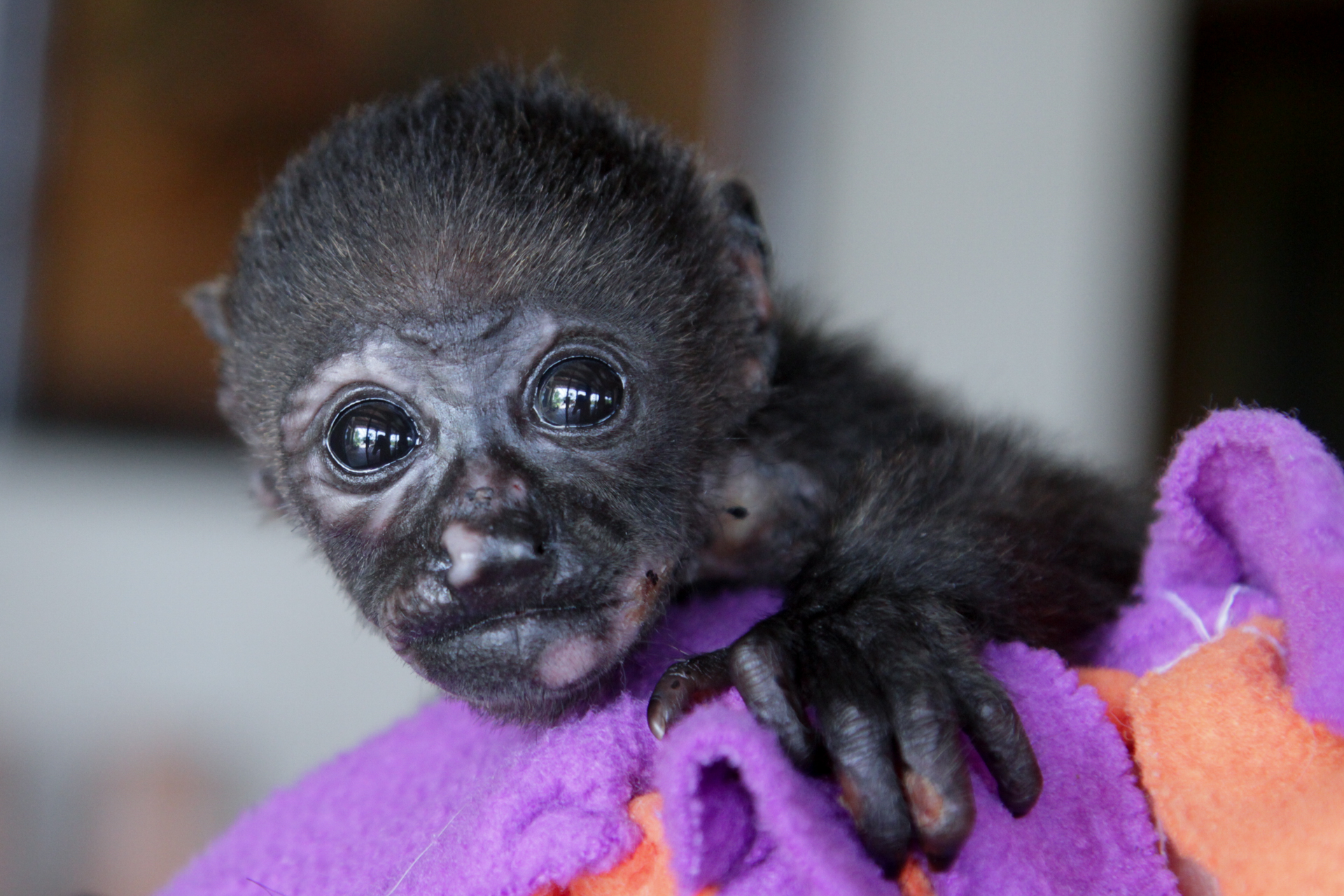
In Costa Rica's Pacific coastal region, where economic development is outpacing infrastructure, a wild animal is electrocuted every day. We're campaigning hard to prevent this.
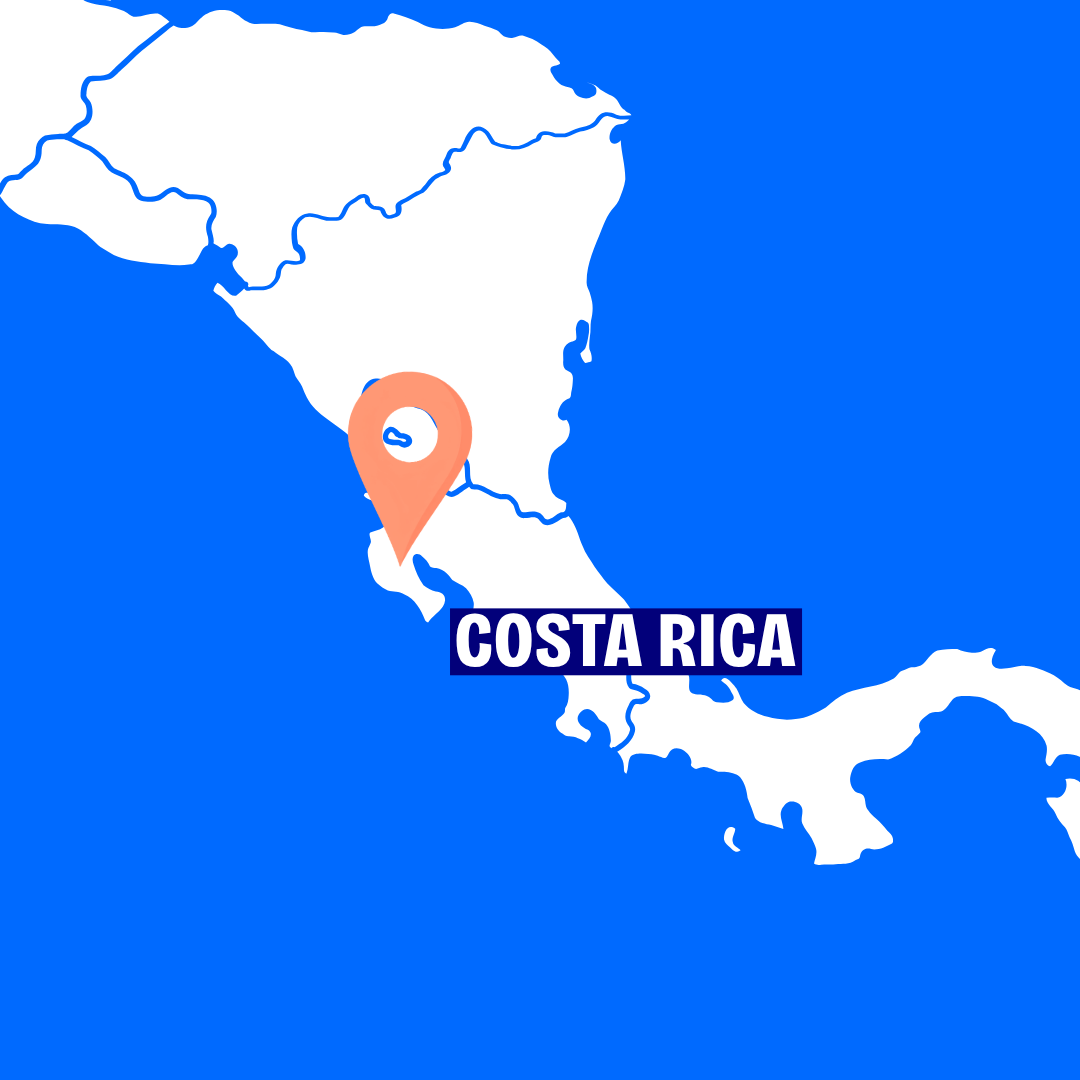
The Issue: Major Habitat Loss
Across Costa Rica, rapid tourism and development are putting increasing pressure on natural habitats. As forests become fragmented and wildlife corridors are lost, animals are increasingly forced to cross human-dominated areas to reach food, shelter and other essential habitat.
When a Vine is Not a Vine
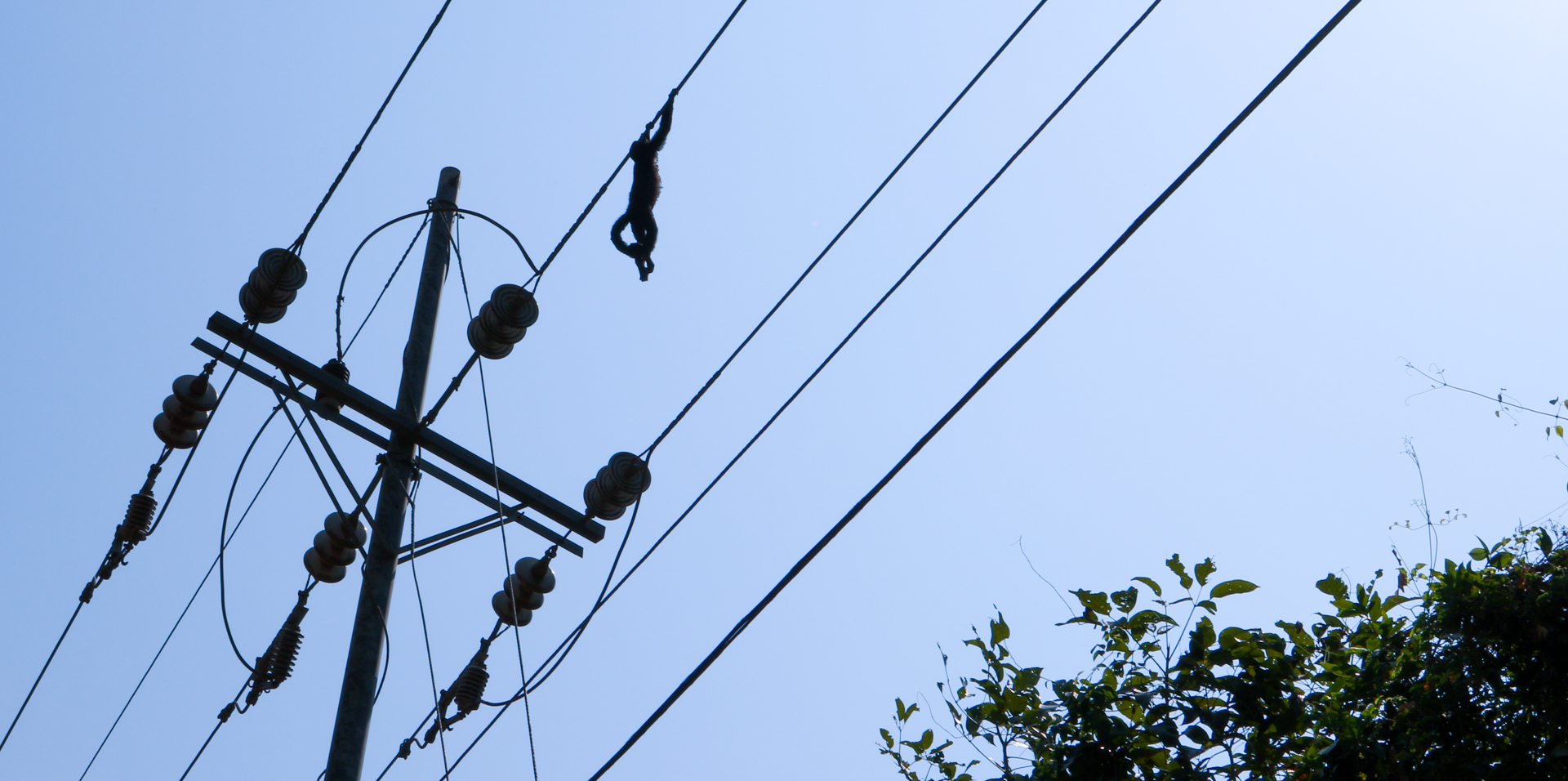
For species such as monkeys, this can have devastating consequences. When moving through the canopy, they can mistake uninsulated power lines for vines and come into contact with live cables, resulting in severe injury or death from electrocution.
Urgent Action Needed
We have collaborated with the region’s electricity company to implement solutions like insulating power lines, insulating transformers, installing rope bridges, and strategical tree trimming.
We are also collecting vital data on wildlife electrocutions, helping identify hotspots, target interventions and advocate for stronger enforcement and better protection. As the number of electrocution incidents we respond to continues to rise, this work is more important than ever to protect Costa Rica’s wildlife from preventable suffering.
Following a legal challenge supported by International Animal Rescue, Costa Rica’s Constitutional Court has ruled that the state-owned electricity company, ICE, and the Ministry of Environment and Energy (MINAE) breached the country’s Constitution by failing to address known electrocution risks on power lines in Nosara.
The Court found that the continued installation of bare (uninsulated) power lines in areas where monkeys are known to live violated Costa Rica’s constitutional right to a healthy and ecologically balanced environment.
This is a huge step forward in our ongoing fight to prevent needless wildlife suffering from electrocution in Costa Rica. But there is still a long road ahead. We will continue to advocate for Costa Rica’s wildlife until ALL dangerous power lines are made safe and wild animals in and around Nosara are protected from these preventable shocks, for good.
 Campaigning for Legislative Change
 Insulating Power Lines
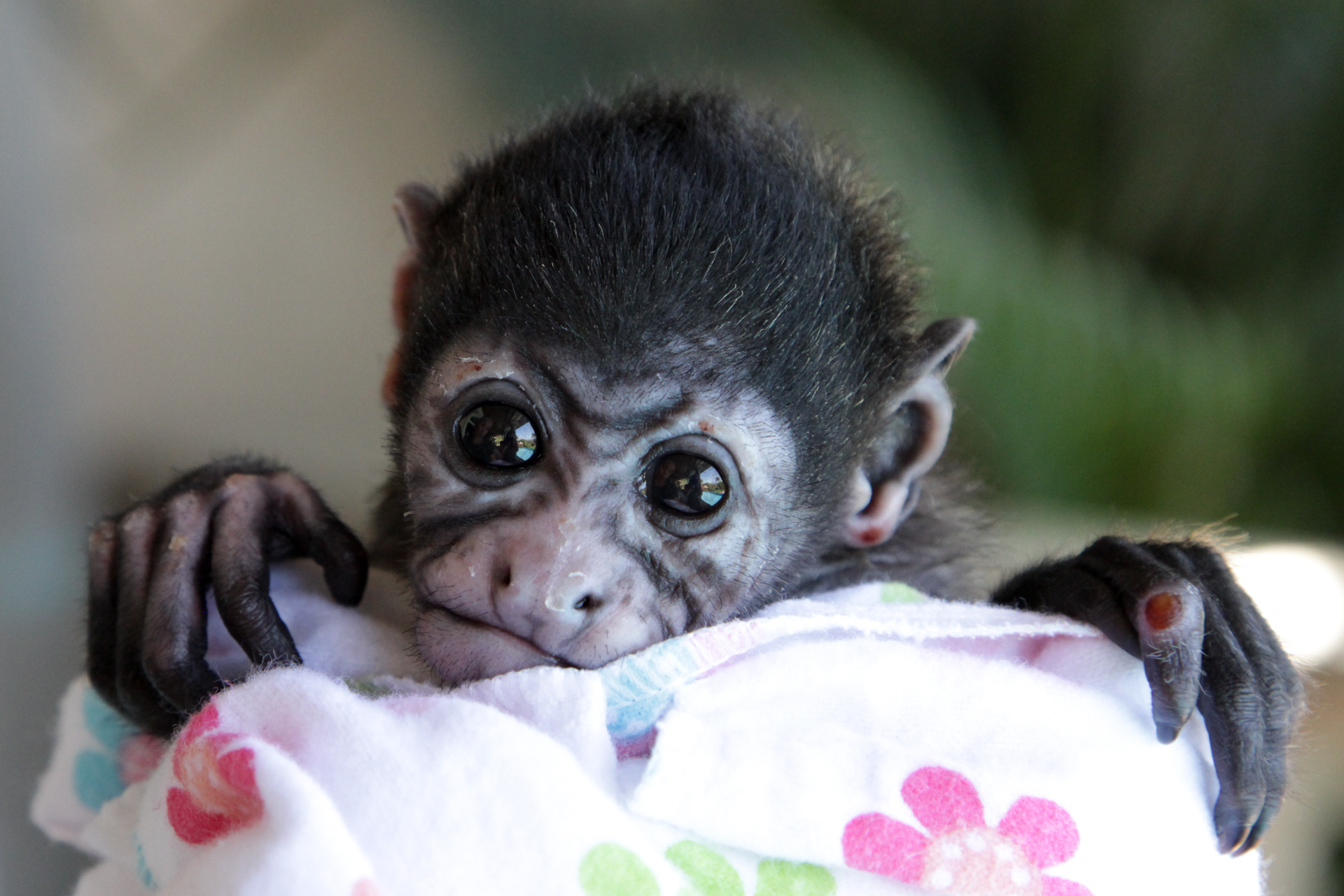 Rehabilitating Wildlife
Hundreds of orphaned howler monkeys in Costa Rica rescued and given a future in the wild.
In the wild, each family group is generally made up of 15 to 20 howlers.
A howler monkey's howl can reach up to 140 decibels
Every year hundreds of howler monkeys are electrocuted on uninsulated power lines and transformers in Costa Rica.
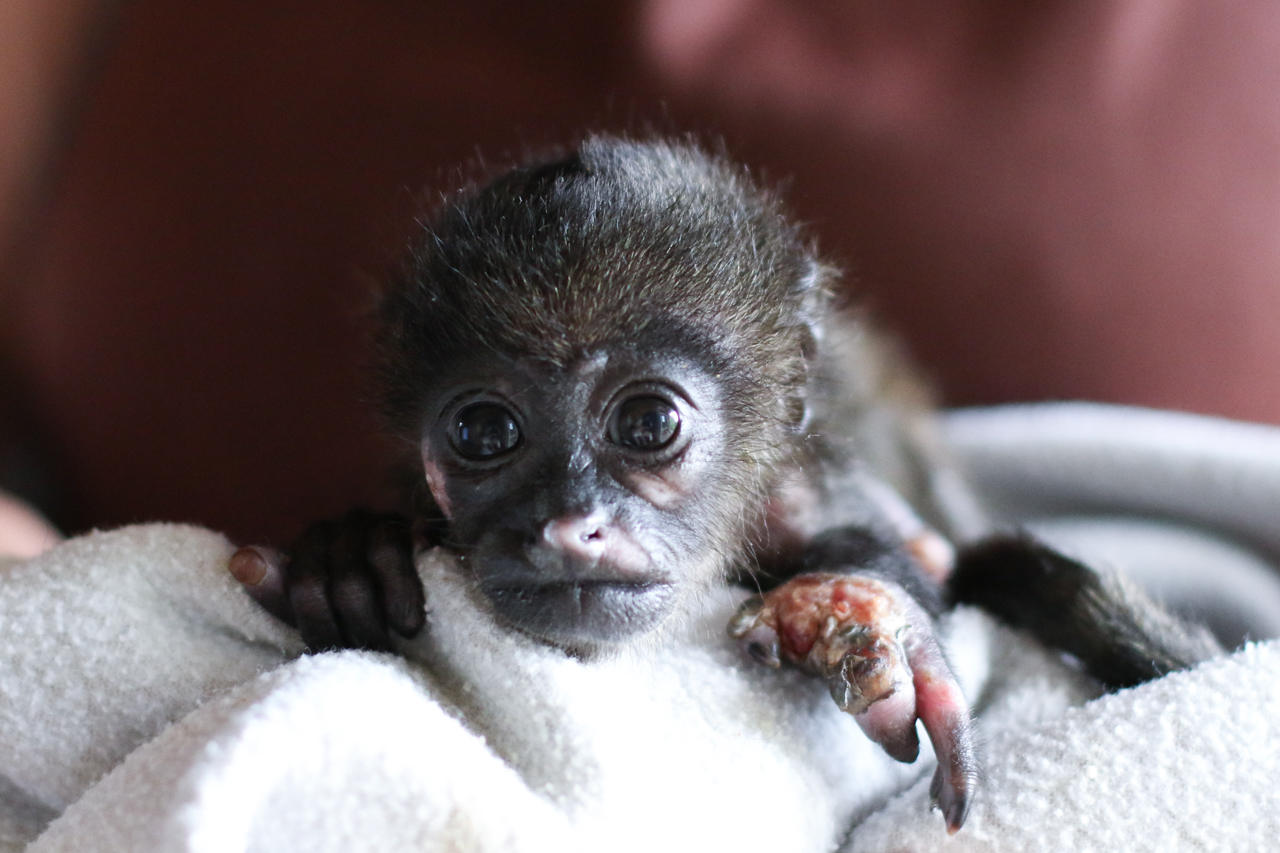
Orphaned and badly burned after her mother was electrocuted, baby howler Esmeralda faced a poor prognosis.
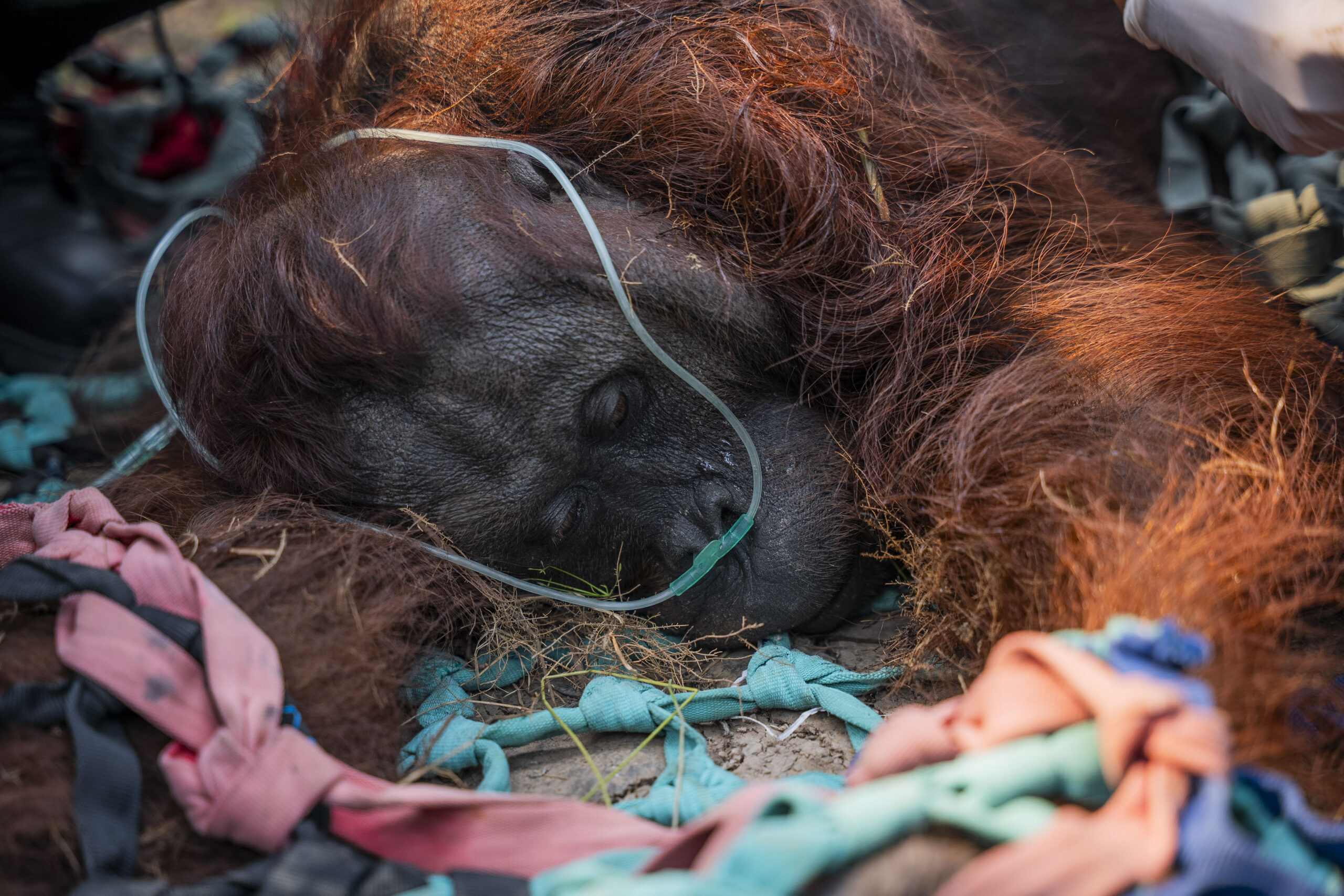
As forest fires rage across Indonesia, our partners remain on high alert. YIARI urgently needs firefighting equipment, personnel, and veterinary support to keep responding.