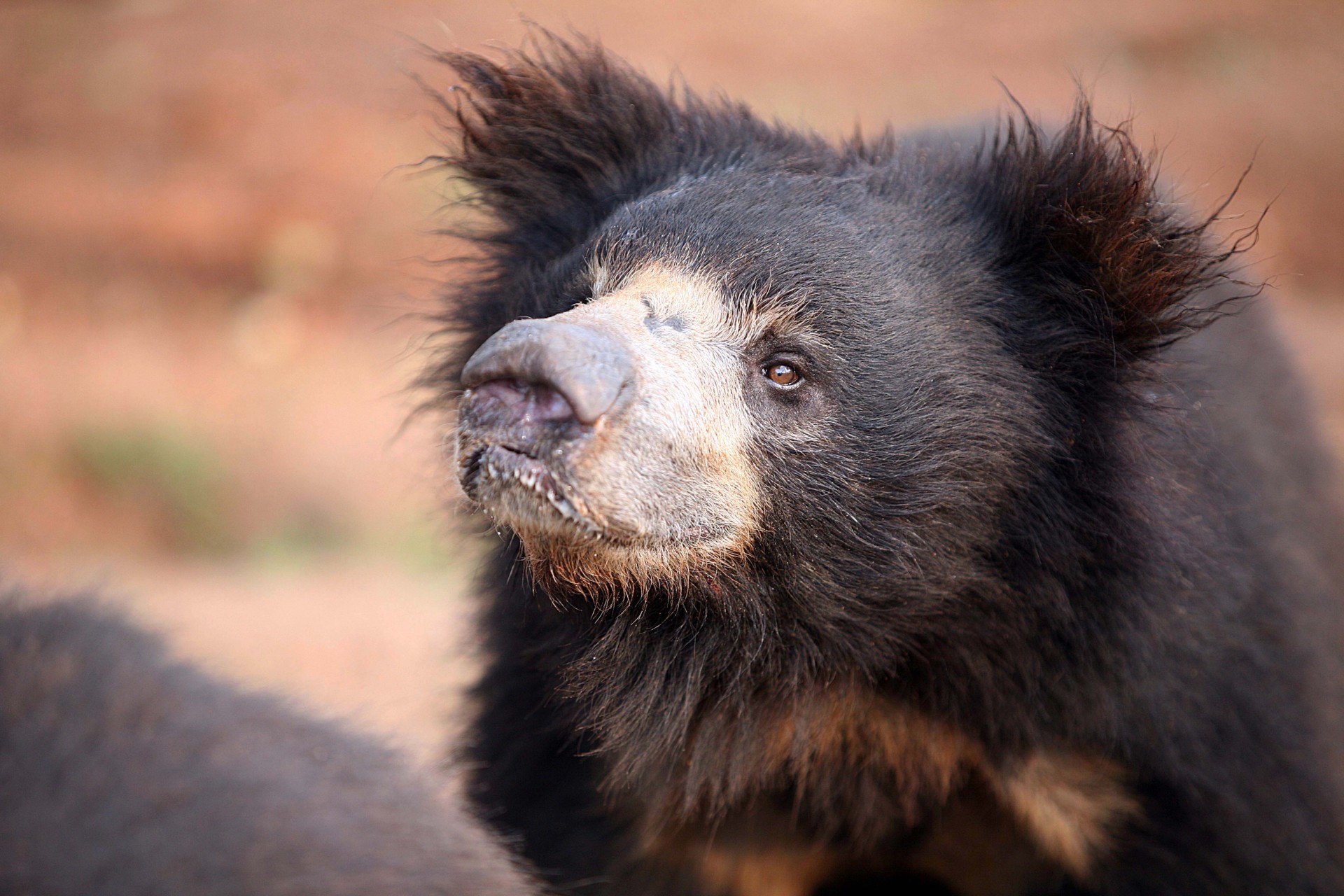
rescued sloth bear looking off camera

Sloth Bear

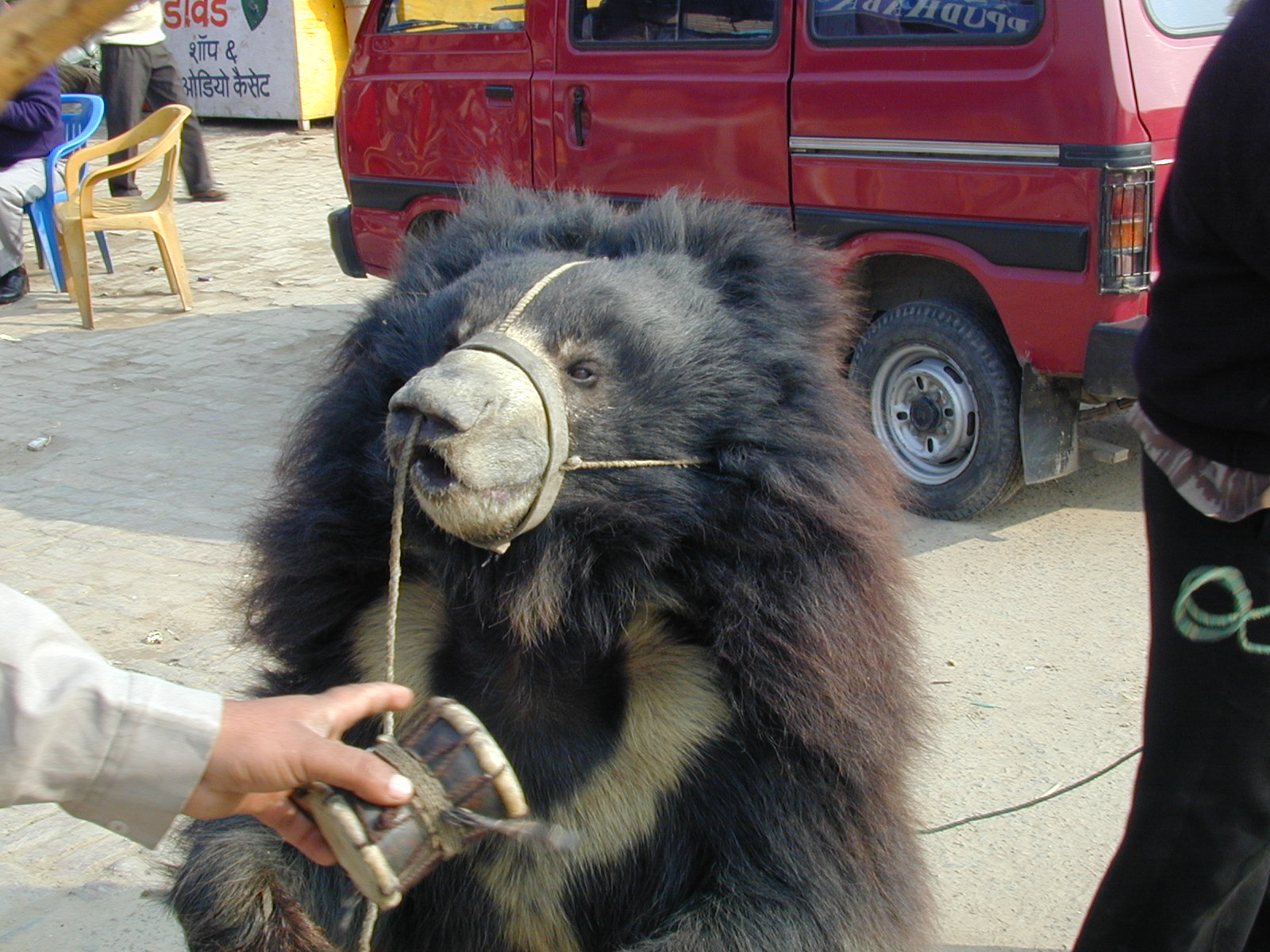
For more than 400 years sloth bears in India were exploited as dancing bears. A nomadic tribe known as the Kalandars would ‘dance’ the bears for the emperors during the Mughal era. Then, over the centuries, as the kingdoms in India disappeared, the dancing bears became cheap roadside entertainment for villagers and tourists who paid to watch them ‘perform.’ In reality the bears were reacting to excruciating pain.

Donate to sloth bears

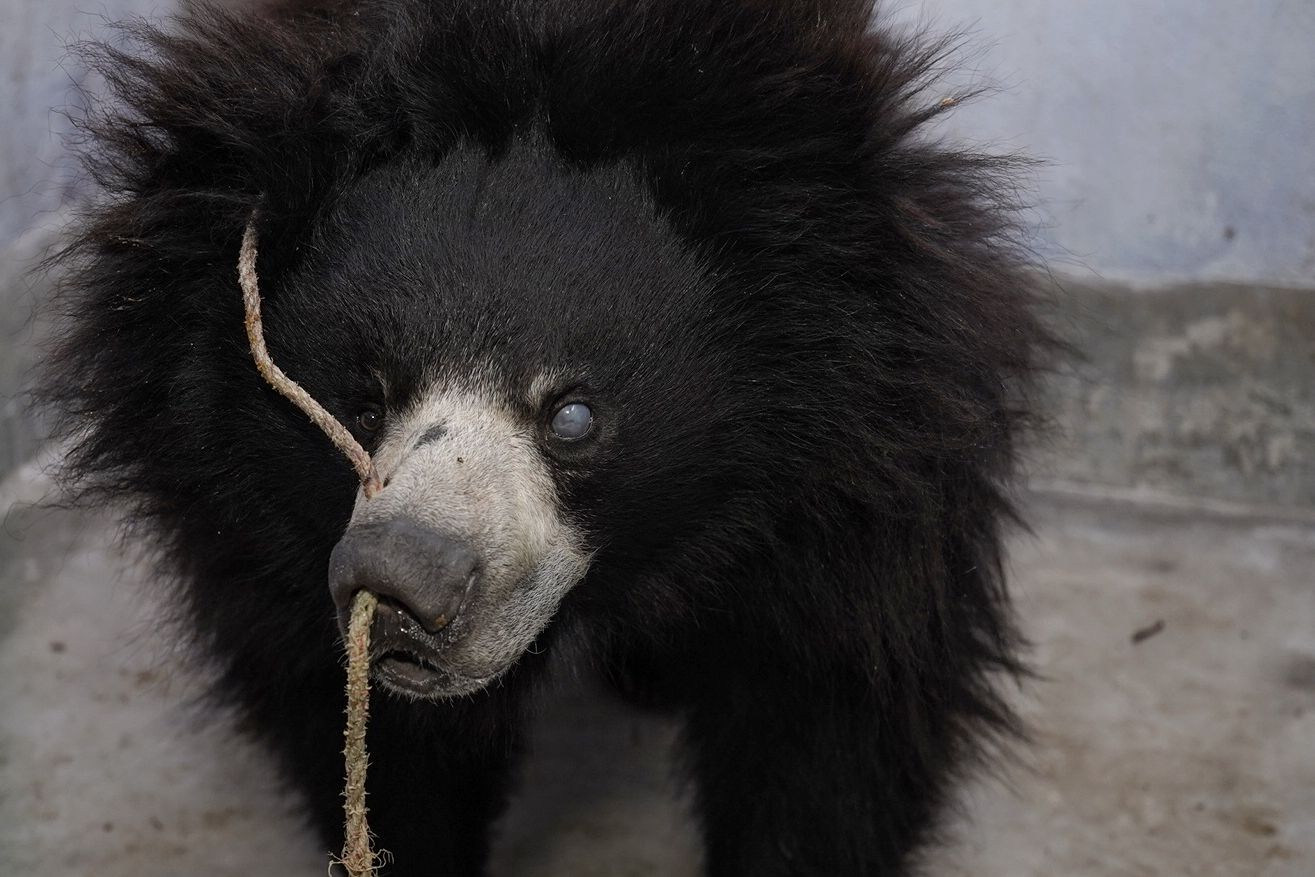
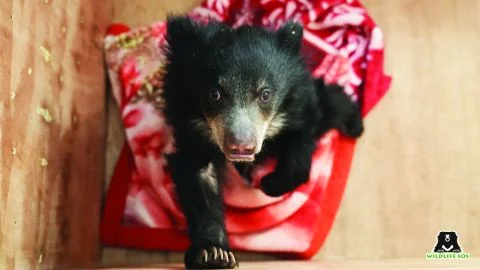
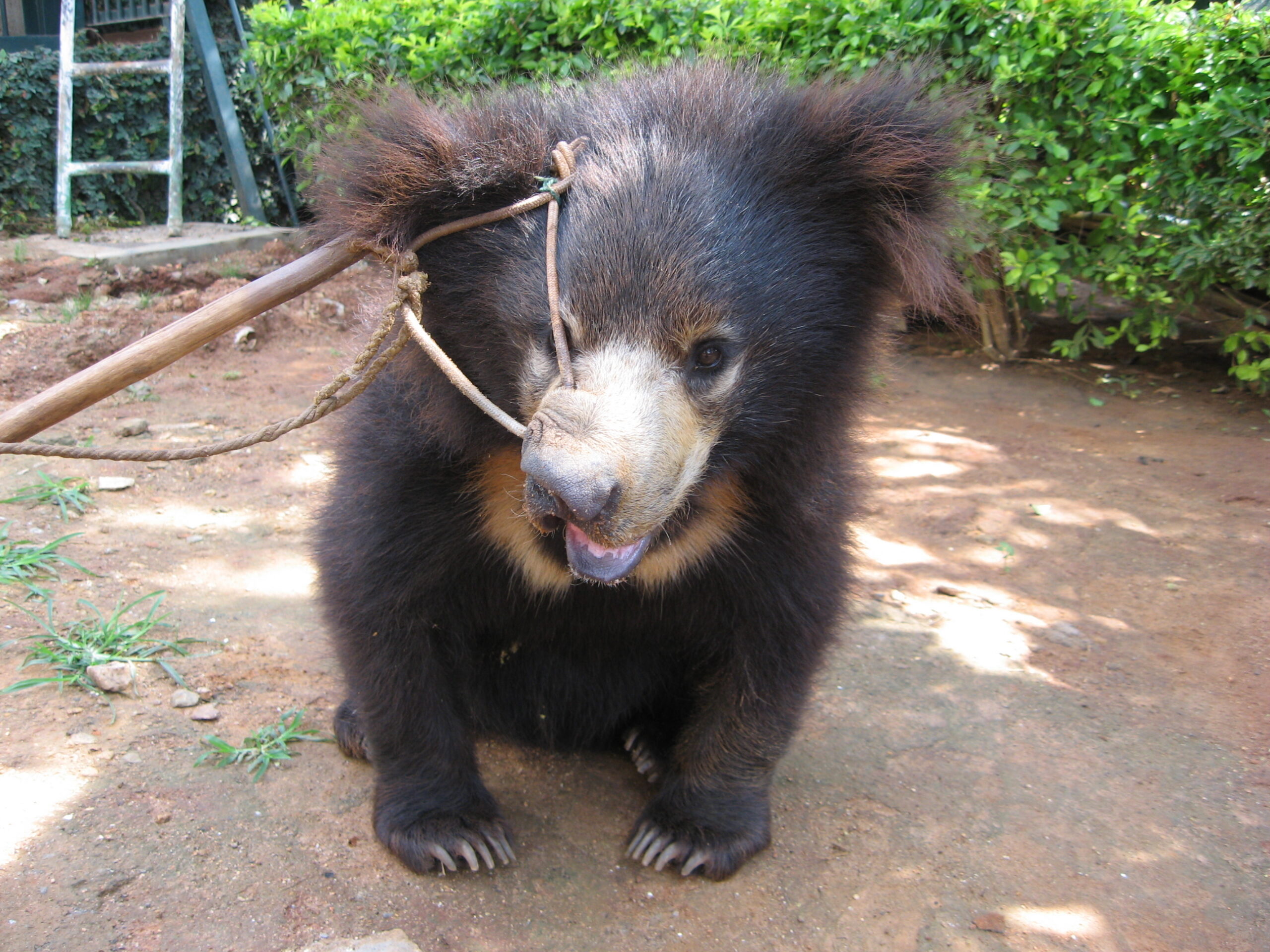
Mother bears were killed so that poachers could take and sell their cubs to perpetuate this barbaric practice. Through underground trading as many as 200 cubs a year would end up in the hands of the Kalandars. Without administering any anaesthetic, a red hot iron rod would be driven through the muzzle of the bear cub which was usually only about six months old. A coarse rope would then be threaded through the open wound. The rope would be tugged and yanked to make the bear ‘dance’ and for many bears over the years, a life at the end of a rope was all they knew.

  • 0

    Dancing Bears Rescued

    Over 620 dancing bears were rescued from horrific pain ending a centuries old cruel tradition.

  • 0 yrs

    average life span

    Sloth bears live for around 20 years in the wild, although this can go up to 40 in captivity.

  • 0 kg

    Weight of sloth bear

    On average, Sloth Bears can weigh up to 80kg

Play video Dancing bear on the street

Saving Sloth Bears

The practice of dancing bears was made illegal in India in 1972. Working with our Indian partners Wildlife SOS (WSOS) we rescued more than 620 dancing bears and in 2009 together we rescued the very last one off the streets. The survivors of this cruel trade live in sanctuaries in India where they receive loving care and enjoy a peaceful and pain-free retirement.
Read more

Our Sloth Bear Conservation Work

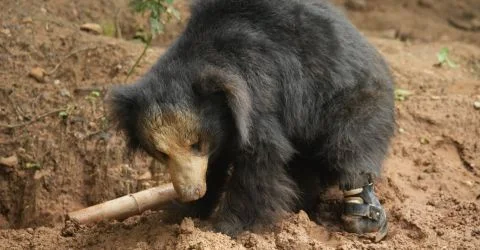
We are committed to providing the rescued bears with a safe haven where they can live free from fear and pain for the rest of their lives. We aim to give them not only food and shelter but an environment which is as close as possible to life in the wild. The bears have plenty of trees to climb in the free-roaming forest and bathing pools where they can play and cool down in the heat of the day. We work hard to keep the bears healthy and happy. They are given regular medical and dental checks and enjoy a range of environmental enrichment to keep them mentally and physically active.

Since the rescue of the last dancing bear in India, investigations have shown that some bears have been smuggled across the border into Nepal by their Kalandar handlers and continue to suffer cruelty and abuse. We will continue to support Wildlife SOS in their efforts to track down the smugglers and cut these bears free.
More Sloth Bear Stories